

SUPPLEMENT GUIDES
Water With Protein: Mixing Whey With Water or Milk
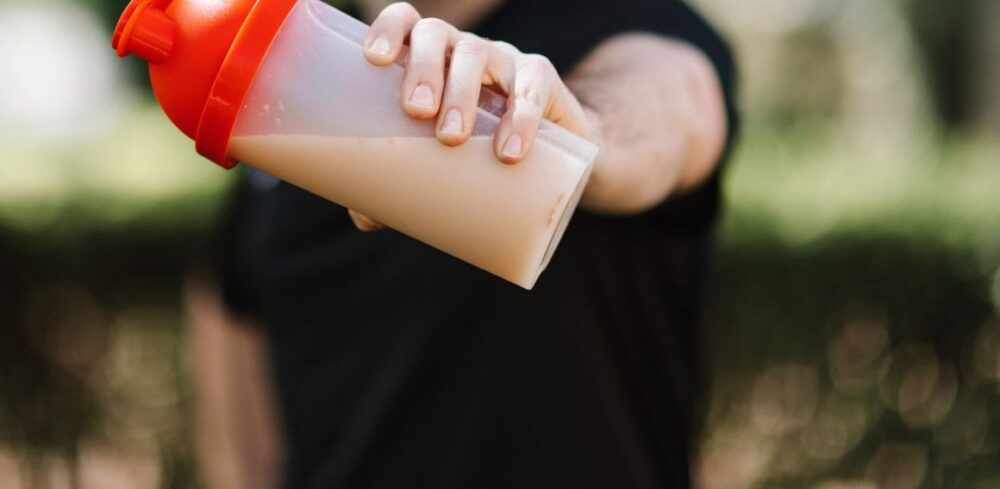
- Two meanings: “Water with protein” can mean protein powder mixed in water, or a ready-to-drink protein water.
- Water vs milk: Water adds no calories of its own; milk adds its own calories, protein, carbs and fat. Pick the one that suits your daily plan.
- Mix it right: Add water first, then the powder, and follow the serving size and liquid amount on your pack.
- Buy genuine: Check the FSSAI licence, batch number, expiry date and seal before you open any tub.
If you have ever stood at the kitchen counter with a scoop in one hand and wondered whether to reach for water or milk, you are not alone. Water with protein is one of the simplest ways to have a protein shake, and it is also the base of the ready-to-drink “protein waters” you may see on shelves. This guide explains what the term means, how mixing with water compares to milk, how to get a smooth shake without lumps, and which kinds of protein powder tend to suit water best.
What Does “Water With Protein” Mean?
People use the phrase in two ways:
- Protein powder mixed with water: the most common use. You add a scoop of whey or another protein powder to water in a shaker and drink it.
- Protein water drinks: ready-to-drink bottles where protein is already dissolved in a light, water-based drink. These are usually thinner than a milk-based shake.
Both give you protein in a drink. The difference is mainly convenience, taste, texture and price per serving. The rest of this guide focuses on mixing powder with water, since that is what most people do at home.
Mixing Protein With Water vs Milk
Neither choice is right for everyone. It depends on your taste, your daily food plan and what is easy for you to carry. Here is how they compare in practical terms:
- Calories: Water adds nothing, so the shake contains only what is in the scoop. Milk adds its own calories, protein, carbohydrates and fat, which changes the total for that serving.
- Taste and texture: Shakes made with water are thinner and lighter. Milk makes a creamier, richer drink that some people prefer for chocolate or vanilla flavours.
- Convenience: Water is easy to find at the gym, office or while travelling. Milk needs to be kept cold.
- Digestion preferences: Some people choose water simply because they avoid milk or lactose. If you have a medical condition or dietary concern, speak to a doctor or qualified dietitian.
To compare the two for your own routine, read the nutrition panel on your protein pack for the per-serving values with water, then add the values printed on your milk carton for the amount you use.
How to Mix Protein Powder With Water Without Lumps
A grainy or lumpy shake is usually a mixing problem rather than a product problem. These steps help:
- Water first: Pour the water into the shaker before the powder, so the powder does not stick to the bottom.
- Use the right amount: Follow the serving size and the amount of liquid given on your pack. Too little water makes a thick, clumpy shake.
- Cold water helps: Many people find cool water gives a better taste and texture than warm water.
- Shake well: Close the lid tightly and shake for several seconds. A shaker with a mixing ball or mesh insert breaks up clumps more easily.
- Drink it fresh: Prepare the shake when you plan to drink it rather than leaving it standing for hours.
For more tips on what to avoid, see our guide to common protein shake mistakes.
Which Protein Powders Mix Well With Water?
Most whey proteins are designed to be mixed with water or milk, but the type of whey can change how the shake feels. Whey concentrate keeps more of milk’s natural fat and lactose, so it can taste a little creamier. Whey isolate is filtered further to remove more fat and lactose, so it usually makes a thinner, lighter drink in water. Our article on whey concentrate vs whey isolate explains the difference in detail.
If you plan to mix mostly with water, you can browse our whey isolate protein range, or compare every option in our full protein powders collection. Flavour matters too: fruit and lighter flavours often suit water, while chocolate and coffee flavours are popular with milk.
How Much Protein Do You Need in a Day?
Whether you mix with water or milk, a shake is only one part of your daily protein. The right amount depends on your body weight, activity level, age and overall diet, so there is no single number for everyone. Our guide on how much protein you need walks through the factors to consider. Regular meals with foods such as dal, paneer, curd, eggs, chicken or fish should remain the base of your diet, with a shake used to fill gaps when it is convenient.
Whatever you buy, make sure it is genuine. Check that the label shows an FSSAI licence number, which you can look up on the FSSAI FoSCoS portal, along with a batch number, manufacturing and expiry dates, and an intact seal.
Frequently Asked Questions
Can I mix any protein powder with water?
Most protein powders can be mixed with water. Check the directions on your pack, since some products, such as certain gainers, are designed with milk in mind and may taste thin in water.
How much water should I use for one scoop?
Use the amount printed on your pack, as it varies between brands and products. You can add a little more water if you prefer a thinner drink.
Is protein water the same as a protein shake?
Both are drinks that contain protein. Protein water is usually sold ready to drink and is lighter in texture, while a protein shake is made at home from powder mixed with water or milk.
Mixing water with protein is simple, portable and easy to fit into a busy day. Choose water or milk based on your taste and daily plan, mix it properly, and buy sealed, genuine products with full batch details.
Authenticity Guarantee: Beast Nutrition is an authorized retailer for 100% genuine supplements with official importer tags, batch verification, and FSSAI compliance.
Disclaimer: This content is for informational and educational purposes only. Always consult a physician or certified dietitian before starting any new supplement regimen.
Keep reading
SUPPLEMENT GUIDES
Hydrolyzed Whey Protein: What It Is and How to Choose
What is hydrolyzed whey protein and how does it differ from concentrate and isolate? Learn how to read
Read articleSUPPLEMENT GUIDES
Creatine HCl: What It Is and How It Compares
What is creatine HCl and how does it differ from creatine monohydrate? Learn how to read the label
Read articleSUPPLEMENT GUIDES
Raw Whey Proteins: What They Are and How to Choose
What do raw whey proteins actually mean on a label? Learn how unflavoured raw whey compares with flavoured
Read article