



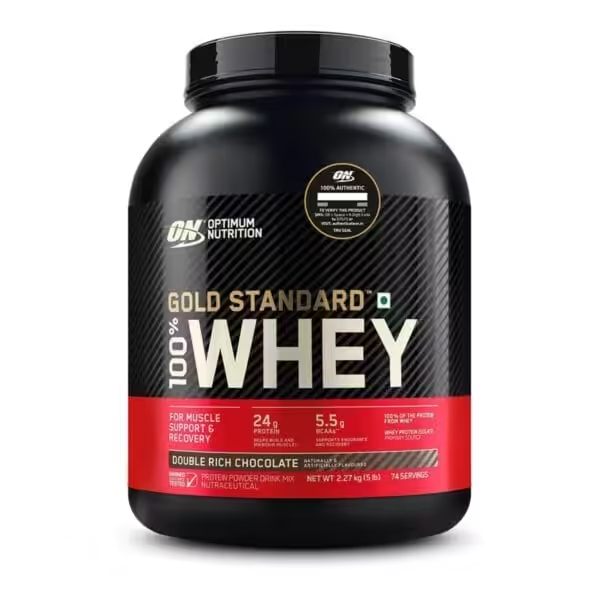

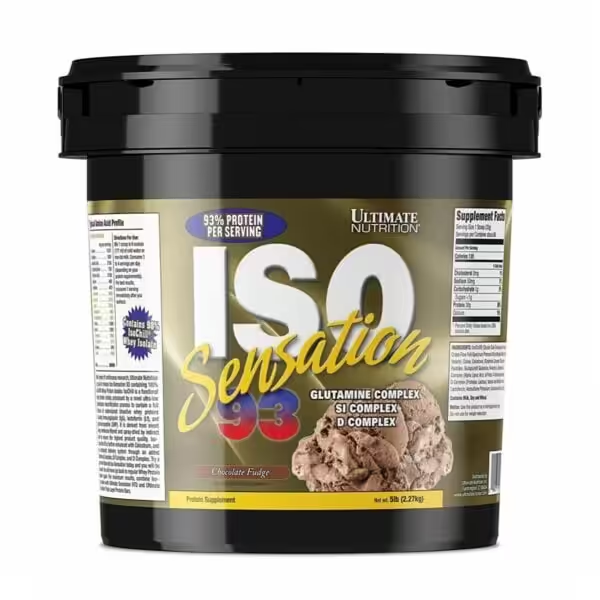
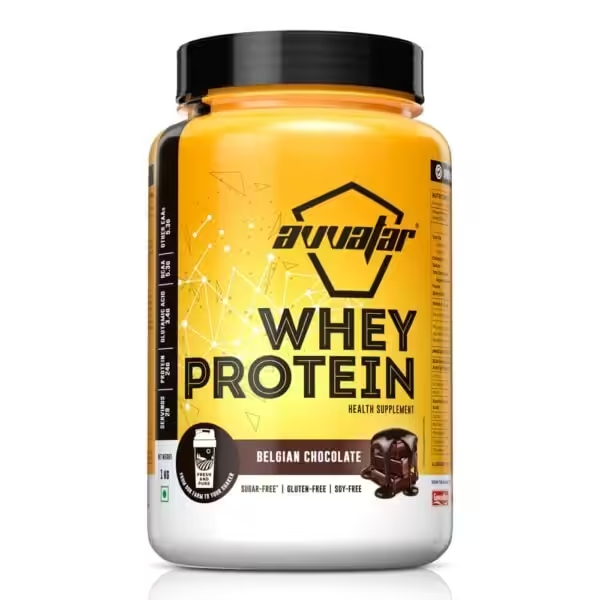
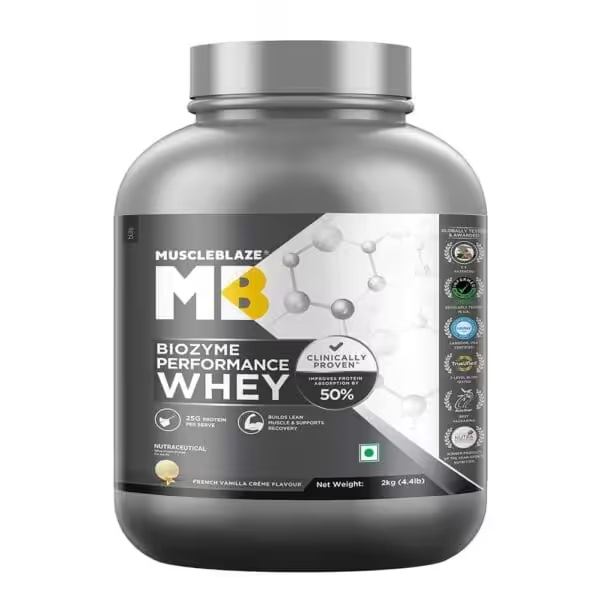



How to choose a protein
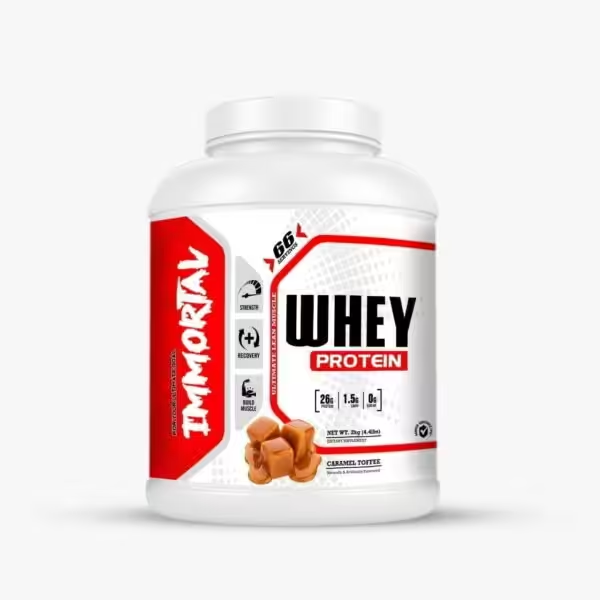
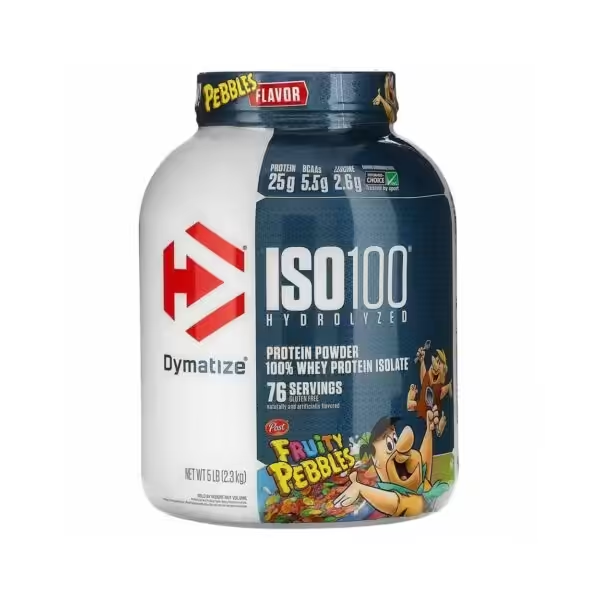
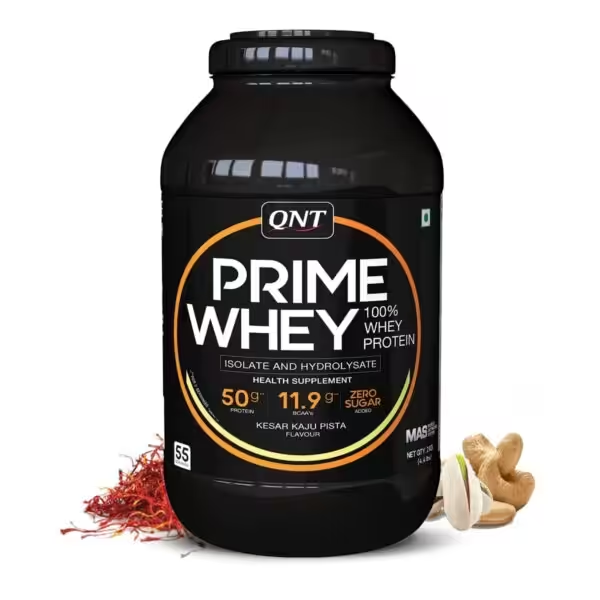
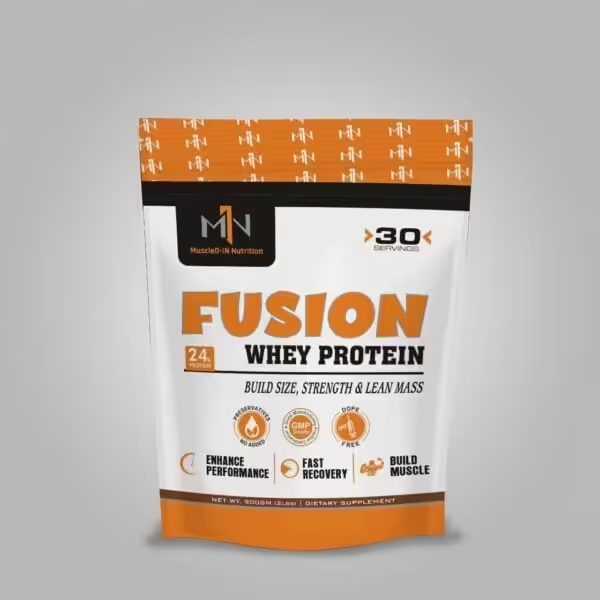
Most protein powders here are made from whey, the protein separated from milk during cheese-making. The main difference between types is how much the whey is filtered, which changes protein per scoop, lactose and price.
| Type | Typical protein content | Lactose | Price |
|---|---|---|---|
| Whey concentrate | About 70 to 80% | Some | Lowest |
| Whey blend | Mix of concentrate and isolate | Low to some | Middle |
| Whey isolate | 90% or more | Very little | Higher |
| Hydrolysed whey | Pre-broken into smaller peptides | Very little | Highest |
| Casein | Slower-digesting milk protein | Some | Middle |
What to check on the label
- Protein per serving and serving size, to compare grams of protein per rupee.
- Whether the first ingredient is concentrate or isolate.
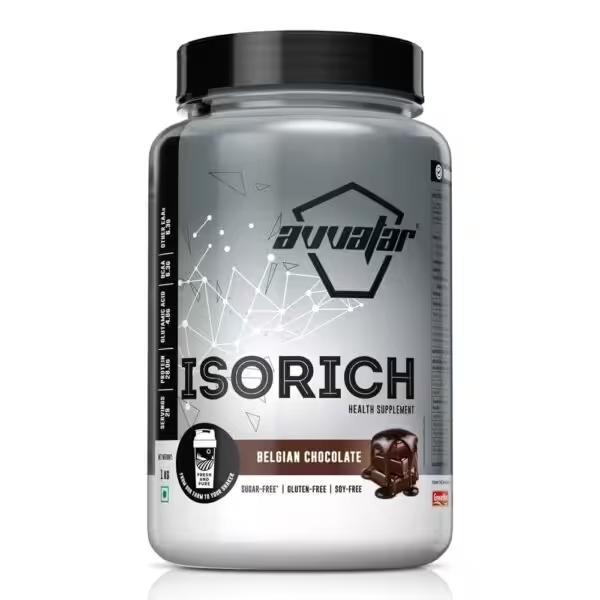
- Lab reports or authenticity codes: brands such as Trueforma publish batch reports, and Avvatar and others print QR codes.
Need more calories as well as protein? See gainers. For snacks, try protein bars or peanut butter.
Protein: questions
What is the difference between whey concentrate and whey isolate?
Isolate is filtered further, so it usually has 90% or more protein and very little lactose. Concentrate keeps more lactose and fat and usually costs less per kg.
Which whey is best for someone sensitive to lactose?
Whey isolate or hydrolysed whey, which contain very little lactose. Check the label for the lactose figure per serving.
How do I compare value between protein brands?
Divide the price by the total grams of protein in the pack (protein per serving multiplied by servings).
How can I tell if my whey is original?
Buy from the brand or its authorised sellers, check for an importer or marketer sticker with an FSSAI licence number, and use the brand's QR, scratch code or batch lab report where one is printed.