SUPPLEMENT GUIDES
Plant Protein vs Whey Protein: Which Should You Pick?
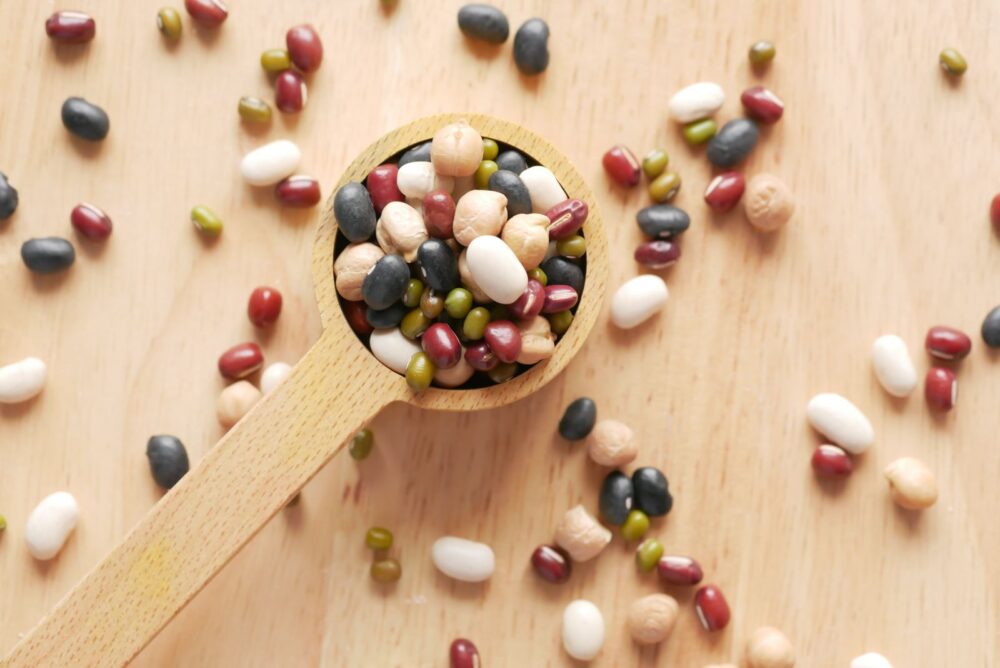
- Source: Whey comes from milk; plant protein comes from sources such as pea, rice, soy or seeds.
- Diet fit: Plant protein is dairy-free, so it suits vegans and people who avoid milk. Whey suits vegetarians who include dairy.
- Read the label: Compare protein per serving, ingredients and serving size on the pack rather than the front-of-pack claims.
- Buy genuine: Check the FSSAI licence, batch number, expiry date and seal before you open any tub.
Standing between a tub of whey and a pouch of pea protein, it is easy to wonder which one is the better pick. The plant protein vs whey protein question does not have one right answer for everyone. It depends on your diet, how you handle dairy, the taste and texture you prefer, and your budget. This guide compares the two side by side so you can choose with confidence.
Plant Protein vs Whey Protein at a Glance
Here is a quick summary of how the two usually differ. Individual products vary, so always check the label of the pack you are buying.
| Point | Whey protein | Plant protein |
|---|---|---|
| Source | Milk (dairy) | Pea, brown rice, soy, seeds or blends |
| Suits | Vegetarians who include dairy | Vegans and people who avoid dairy |
| Contains lactose | Concentrate has some; isolate has less | No, as it is dairy-free |
| Texture in water | Usually smooth and light | Often thicker or slightly earthy |
| Common forms | Concentrate, isolate, hydrolysed | Single source or multi-source blends |
Where Each Protein Comes From
Whey is the liquid part of milk that separates during cheese making. It is filtered and dried into a powder. How far it is filtered decides the type: concentrate keeps a little more fat and lactose, while isolate is filtered further. Our guide on whey concentrate vs whey isolate explains the difference in detail.
Plant protein is extracted from foods such as yellow peas, brown rice, soybeans, hemp or pumpkin seeds. Many products blend two or more sources in one powder. For a deeper look at sources and how to choose one, read our guide to choosing a plant protein powder.
Amino Acids, Lactose and Digestion
Protein is made of amino acids. Whey naturally contains all nine essential amino acids, which is why it is described as a complete protein. Plant sources differ from one another: some are lower in certain amino acids, which is a key reason brands often combine sources, such as pea with rice, to round out the profile. If this matters to you, check the amino acid table on the pack where one is given.
Lactose is the other big difference. Whey concentrate contains some lactose and isolate usually contains less, while plant protein contains none. If milk does not agree with you, a plant protein or a whey isolate may be easier to fit into your routine. If you have a medical condition or allergy, speak to a doctor or dietitian before choosing.
Taste, Texture and Mixing
Whey tends to dissolve easily and gives a smooth, light shake in water or milk. Plant protein can be thicker, and some people notice an earthy or nutty taste, especially in unflavoured versions. A few simple habits help with both:
- Add the liquid to your shaker first, then the powder, to reduce lumps.
- Use the amount of liquid printed on the pack, and add a little extra if a plant shake feels too thick.
- Blend plant protein with banana, oats or cocoa if you prefer a milder taste.
- Try a small pack or a single flavour first before buying a large tub.
Is Plant Protein as Good as Whey?
This is the most common question, and the short answer is that both are simply ways to add protein to your day. The better choice is the one that fits your diet and that you will actually use. As a rough guide:
- Choose plant protein if you are vegan, avoid dairy, or prefer a plant-based routine. Browse our plant protein powders and check current availability.
- Choose whey if you include dairy and want a smooth, easy-mixing shake. Our whey isolate protein range is a good place to start if you want lower lactose.
- Not sure how much you need? Read how much protein you really need and work out your daily target first.
How to Check You Are Buying a Genuine Product
Whichever protein you pick, make sure it is genuine. Check that the pack shows an FSSAI licence number, a batch number, manufacturing and expiry dates, and an intact seal. You can look up an FSSAI licence number on the FSSAI FoSCoS portal. Buy from a trusted seller and keep your invoice.
Frequently Asked Questions
Can vegetarians take whey protein?
Whey comes from milk, so it is generally suitable for vegetarians who include dairy. It is not suitable for vegans. Check the label for any other ingredients you avoid.
Is plant protein a complete protein?
It depends on the source. Some single sources are lower in certain amino acids, which is why many plant protein powders blend sources such as pea and rice. The label or amino acid table will tell you more.
Can I switch between plant protein and whey?
Yes. Many people use one at home and the other on the go, or switch for taste. Just follow the serving size on each pack and count the protein towards your daily total.
Plant protein and whey both have a place on the shelf. Pick the one that matches your diet, taste and budget, read the label carefully, and buy sealed, genuine products with full batch details.
Authenticity Guarantee: Beast Nutrition is an authorized retailer for 100% genuine supplements with official importer tags, batch verification, and FSSAI compliance.
Disclaimer: This content is for informational and educational purposes only. Always consult a physician or certified dietitian before starting any new supplement regimen.
Keep reading
SUPPLEMENT GUIDES
Water With Protein: Mixing Whey With Water or Milk
Should you mix protein with water or milk? Learn what water with protein means, how it compares to
Read articleSUPPLEMENT GUIDES
Hydrolyzed Whey Protein: What It Is and How to Choose
What is hydrolyzed whey protein and how does it differ from concentrate and isolate? Learn how to read
Read articleSUPPLEMENT GUIDES
Creatine HCl: What It Is and How It Compares
What is creatine HCl and how does it differ from creatine monohydrate? Learn how to read the label
Read article