

Supplement guides, Buying guides & reviews
Which L-Carnitine Is Best? Forms and How to Choose
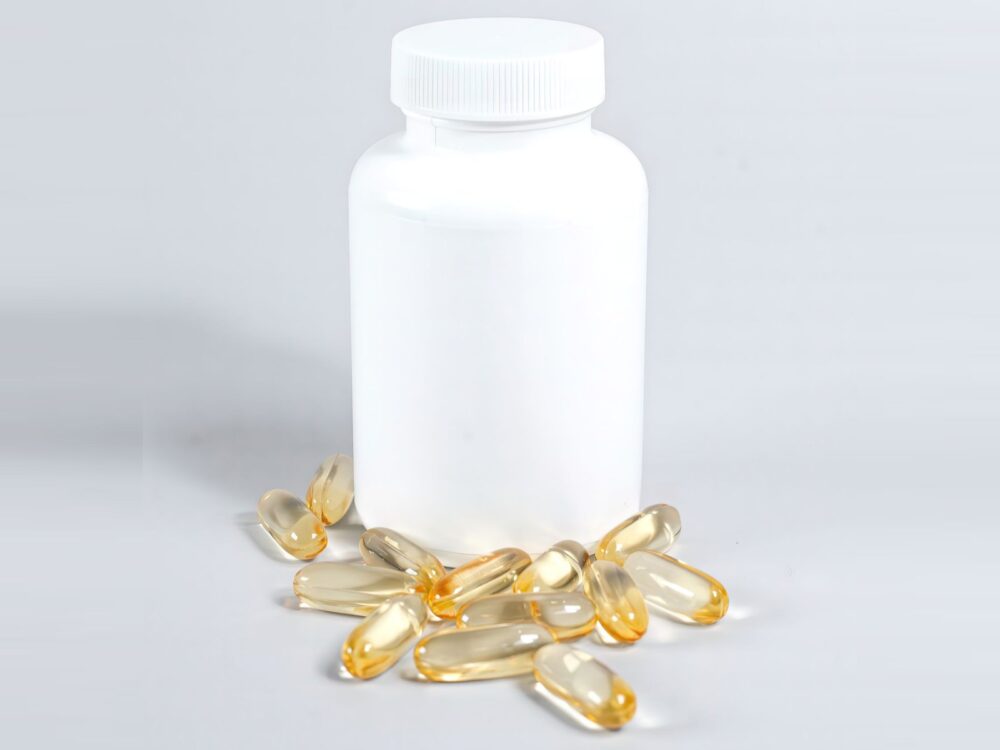
- There is no single best form: the right L-carnitine depends on whether you prefer liquid, capsules or powder, and which form the label lists.
- Know the main forms: plain L-carnitine, L-carnitine L-tartrate (LCLT) and acetyl-L-carnitine (ALCAR) are the ones you will see most often.
- Compare the label, not the claims: check the form, the milligrams per serving, the number of servings, sugar or sweeteners and the FSSAI licence number.
- Diet and training come first: L-carnitine is an optional extra, not a replacement for a sensible calorie intake and regular exercise.
If you have started looking at fat-loss or cutting supplements, you have probably noticed how many L-carnitine products there are: liquids, capsules, tablets and powders, each with a different number on the front. So which L-carnitine is best? The honest answer is that it depends on the form and format that suits you. This guide explains the common forms, how to compare labels, and what to keep in mind before you buy. You can browse our L-carnitine supplements as you read.
What Is L-Carnitine?
L-carnitine is a compound your body makes on its own, mainly in the liver and kidneys, from two amino acids, lysine and methionine. If you want a refresher on where those fit, see our guide to essential vs nonessential amino acids. Carnitine is also found in food, especially red meat, fish and dairy, so people who eat these foods regularly get some from their diet as well.
Inside the body, carnitine helps carry fatty acids into the mitochondria, the part of the cell where they are used for energy. That role is why it is so often marketed alongside fat-loss products. It is worth knowing, though, that research on carnitine supplements and body weight or exercise outcomes in healthy adults is mixed. The NIH Office of Dietary Supplements carnitine fact sheet is a good, neutral summary if you want to read more.
The Main Forms of L-Carnitine
The first thing to check on any label is which form of carnitine it contains. The form tells you more than the brand name or the big number on the front.
- L-carnitine (base): the plain form, most often used in liquid products. Labels usually just say “L-carnitine”.
- L-carnitine L-tartrate (LCLT): carnitine bound to tartaric acid. It is a common form in capsules, tablets and powders, and is popular with gym-goers.
- Acetyl-L-carnitine (ALCAR): carnitine with an acetyl group attached. It is often sold on its own in capsules and is usually discussed in a general wellness context rather than for training.
- Glycine propionyl-L-carnitine (GPLC): a less common form you may see in some pre workout blends.
- Blends: some products combine two or more forms, or add carnitine to a fat burner or pre workout with many other ingredients.
One detail that confuses buyers: a salt form such as LCLT is not 100 percent carnitine by weight, because part of the weight is the tartrate. A good label will show either the amount of the compound or the amount of carnitine it provides. When comparing two products, make sure you are comparing like with like.
Liquid, Capsules or Powder: Which Format Suits You?
Once you know the form, the format is mostly about convenience and taste.
- Liquid L-carnitine is measured with a cap or spoon and usually comes flavoured. It is quick to take, but check the label for sugar, sweeteners and how long the bottle lasts once opened.
- Capsules and tablets are easy to carry, have no taste and give a fixed amount per piece. You may need to take more than one to reach the serving on the label.
- Powders can be mixed into water or another drink, and are sometimes unflavoured so they can be added to a shake.
None of these formats is automatically better than the others. Pick the one you will actually use consistently and that fits your routine and budget.
Which L-Carnitine Is Best for You? A Label Checklist
Instead of chasing the biggest number on the front of the pack, use this checklist to compare products side by side:
- Form: is it L-carnitine, LCLT, ALCAR or a blend? Choose the form you were looking for.
- Amount per serving: check milligrams per serving and the serving size (one capsule, two capsules, one capful). “3000” on the front may refer to a large serving.
- Servings per pack: divide the price by the number of servings to compare real value.
- Other ingredients: look for added caffeine or other stimulants, especially in “shred” or fat-burner products. If you only want carnitine, choose a single-ingredient product.
- Sugar and sweeteners: relevant mostly for liquids.
- Compliance and authenticity: look for the FSSAI licence number and importer details on the pack, and buy from a seller you trust.
If you are already using a pre workout or fat burner, check whether it contains carnitine too, so you know your total intake. Our guide on how to build a supplement stack explains how to avoid doubling up on ingredients.
Does L-Carnitine Work Without Diet and Training?
This is one of the most common questions, and the short answer is that no supplement replaces the basics. Changes in body weight come down mainly to your overall calorie intake, your activity level, sleep and consistency over time. A carnitine supplement is, at most, a small optional extra on top of that.
It also will not burn fat from one chosen area. As we explain in our article on why spot reduction is a myth, the body does not lose fat only where you want it to. If your goal is fat loss, start with a realistic eating plan. Our Indian fat-loss diet plan is a simple place to begin, and the calculator below can help you estimate your daily calories.
Safety and Who Should Check With a Doctor First
Follow the serving size printed on the label and do not take more than directed. Some people notice stomach upset with carnitine supplements, so it is sensible to take them as the label suggests. Speak to your doctor before using L-carnitine if you are pregnant or breastfeeding, have a thyroid, kidney or other medical condition, or take regular medication, including blood thinners. Keep all supplements out of reach of children.
Frequently Asked Questions
Is liquid L-carnitine better than capsules?
Not automatically. Liquids are convenient and flavoured, while capsules are tasteless and portable. Compare the form, amount per serving and other ingredients rather than the format alone.
What is the difference between L-carnitine and acetyl-L-carnitine?
Acetyl-L-carnitine is L-carnitine with an acetyl group attached. They are different compounds on the label, so check which one a product contains before you buy.
Do vegetarians need L-carnitine?
The body makes its own carnitine, and vegetarians get less from food because the main sources are animal products. Whether a supplement makes sense for you is a question for your doctor or a registered dietitian.

Authenticity Guarantee: Beast Nutrition is an authorized retailer for 100% genuine supplements with official importer tags, batch verification, and FSSAI compliance.
Disclaimer: This content is for informational and educational purposes only. Always consult a physician or certified dietitian before starting any new supplement regimen.
Keep reading
Supplement guides Beginner guides Pre & post workout
What Is Pre Workout and Post Workout? A Simple Guide
What is pre workout and post workout? Learn what each term means, what the labels usually contain, how
Read articleSupplement guides Buying guides & reviews Men's health Protein & whey
Whey Protein for Men: How to Choose and Use It
Is there such a thing as whey protein for men? Learn how to work out your protein needs,
Read articleSupplement guides Buying guides & reviews Creatine Diet & nutrition
Is Creatine Vegetarian? A Label-Reading Guide
Is creatine vegetarian? Learn where supplement creatine comes from, how vegetarian and vegan differ, and what to check
Read article