Supplement guides, Diet & nutrition, Muscle building
Bodybuilding Nutrition: The Basics That Matter Most
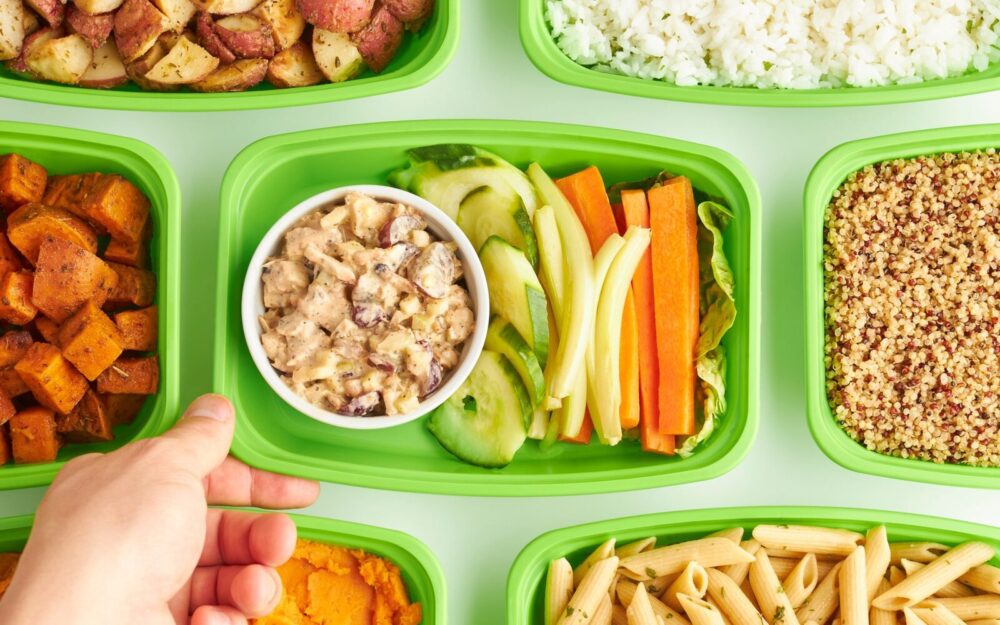
Bodybuilding nutrition is the way you eat to support training, recovery and muscle growth. Lifting gives your muscles a reason to adapt, but food provides the energy and building blocks they need to do it. Getting the basics right (enough calories, enough protein, sensible carbs and fats, and plenty of water) matters far more than any single product.
This guide covers those basics in plain English, whether you are just starting out or have been training for a while.
Why Bodybuilding Nutrition Matters
Training breaks muscle fibres down; rest and food help rebuild them. If you train hard but eat poorly, progress tends to stall. That is why many coaches say bodybuilding nutrition is as important as the workouts themselves. The good news is that it does not need to be complicated. A few consistent habits do most of the work.
Calories: Eat for Your Goal
Your calorie intake sets the direction of your progress.
- Building muscle (bulking): a small calorie surplus gives your body extra energy to build new tissue.
- Losing fat (cutting): a moderate calorie deficit helps you lose fat while you keep training to hold on to muscle.
- Maintaining: eating close to your maintenance level suits people who want to change their body composition slowly or hold their current shape.
You do not need to guess. Our calorie calculator gives you a starting estimate that you can adjust based on how your weight and the mirror change over a few weeks.
Protein: The Building Block
Protein supplies the amino acids your body uses to repair and build muscle. People who lift regularly generally need more protein than people who do not train, and it helps to spread it across the day rather than eating it all in one meal.
Good protein sources
- Eggs, chicken, fish and lean meat
- Milk, curd, paneer and Greek yoghurt
- Dal, chickpeas, rajma, soy and tofu
- Nuts and seeds in smaller amounts
For more ideas, see our list of high protein foods that are easy to find in India. If you are vegetarian, our Indian vegetarian diet plan for bodybuilding shows how to put a full day together.
Carbohydrates and Fats
Carbohydrates are your main fuel for hard training sessions. Choose mostly complex carbs such as rice, roti, oats, potatoes, fruit and millets, and time some of them around your workouts if that helps your energy.
Fats support hormone health and help you absorb certain vitamins. Include sources such as nuts, seeds, eggs, fish, ghee or cooking oils in sensible amounts. Fat is calorie dense, so measure portions if you are trying to lose fat.
Hydration
Water is easy to overlook, especially for beginners. Even mild dehydration can make workouts feel harder. Drink regularly through the day and a little more around training and in hot weather. Our water intake calculator gives you a simple daily target to aim for.
Meal Timing and Frequency
Many bodybuilders eat three main meals plus one or two snacks. This makes it easier to spread protein through the day and to hit higher calorie targets without feeling overly full. The exact number of meals matters less than your total intake, so choose a pattern you can stick to.
A simple structure that works for many people:
- Breakfast with a protein source, such as eggs, paneer or a shake with oats.
- Lunch with a protein source, a carb and vegetables.
- A pre- or post-workout snack, such as curd with fruit or a protein shake.
- Dinner with a protein source, a carb and vegetables.
Where Supplements Fit
Supplements are optional. They can make a good diet more convenient, but they cannot fix a poor one. A protein powder is the most common choice because it is a quick way to top up daily protein. Some people also use creatine or a multivitamin. If you want to explore options, start with our protein powder range and always follow the label. Speak to a doctor before starting any supplement if you have a medical condition or take regular medication.
Frequently Asked Questions
Do I need to eat six meals a day for bodybuilding?
No. Total calories and protein across the day matter most. Some people prefer more frequent meals, others prefer three larger ones.
Is bodybuilding nutrition different for vegetarians?
The principles are the same. Vegetarians just rely more on dairy, pulses, soy and grains for protein, and may find a protein supplement helpful for convenience.
How quickly will I see results?
It varies with your starting point, training and consistency. Track your weight, measurements and strength over several weeks rather than day to day.
Do I need to count calories?
Not forever. Tracking for a few weeks helps you learn what your portions look like. After that, many people keep to a regular meal pattern and check their weight and measurements instead.

Authenticity Guarantee: Beast Nutrition is an authorized retailer for 100% genuine supplements with official importer tags, batch verification, and FSSAI compliance.
Disclaimer: This content is for informational and educational purposes only. Always consult a physician or certified dietitian before starting any new supplement regimen.
Keep reading
Supplement guides Buying guides & reviews Protein & whey
Synthetic Whey Protein: What It Is and How It Compares
Is whey protein synthetic? Learn how regular whey is made, what animal-free "synthetic" whey is, how the two
Read articleSupplement guides Beginner guides Creatine
Should I Take Creatine on Rest Days? A Simple Guide
Should I take creatine on rest days? Yes, most people take it daily. Learn why, how to take
Read articleSupplement guides Protein & whey
Absorbable Protein: What Makes Protein Easy to Absorb?
What does absorbable protein really mean? Learn how protein is digested, how PDCAAS and DIAAS measure quality, and
Read article