
SUPPLEMENT GUIDES
High Protein Foods: 10 Everyday Indian Options
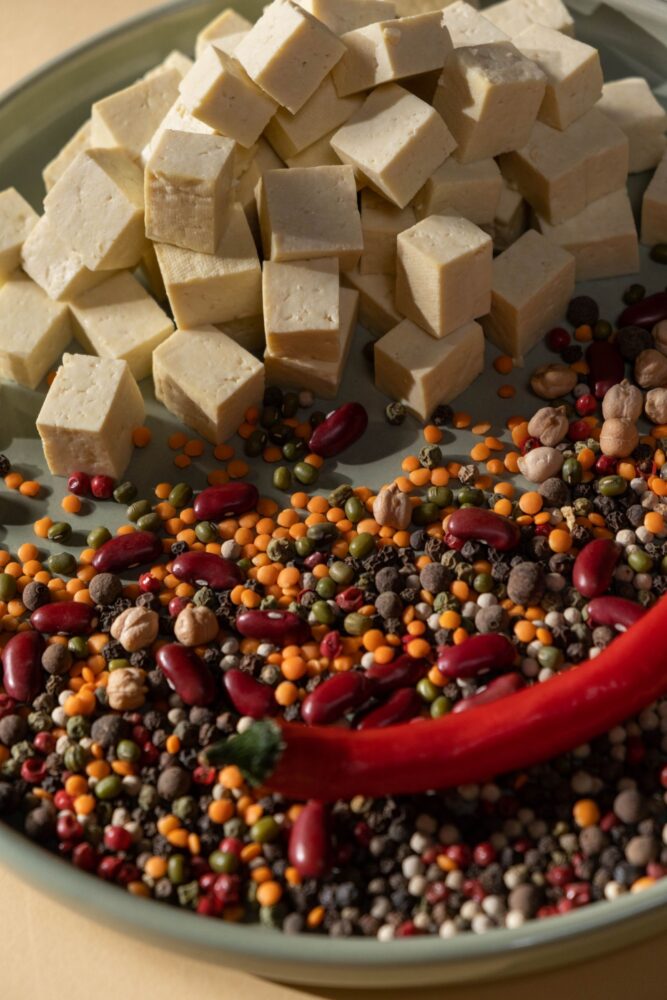
High protein foods are everyday foods that give you a good amount of protein per serving, such as eggs, chicken, fish, paneer, curd, dals, chickpeas, soya and peanuts. Eating a mix of them across the day is the simplest way to meet your protein needs, whether you are vegetarian or not. This guide lists ten easy options found in most Indian kitchens and shows how to fit them into your meals.
Why High Protein Foods Matter
Protein is one of the three main nutrients in food, along with carbohydrates and fat. Your body uses it to build and repair tissues, including muscle, and it is made of smaller building blocks called amino acids. Some of these amino acids cannot be made by the body, so they have to come from what you eat.
Most people who train regularly, or who want to eat a more balanced diet, find it easier to hit their protein target when every meal includes at least one protein-rich food. If you are unsure how much you need, start with our guide on how much protein you really need.
10 High Protein Foods to Keep at Home
The list below mixes vegetarian and non-vegetarian choices so that everyone can find options that suit their diet and budget.
Non-vegetarian options
- Eggs: affordable, quick to cook and easy to add to breakfast. Boiled, scrambled or as a bhurji, they work in almost any meal.
- Chicken breast: a lean cut that suits grilling, tikka or curries. Removing the skin keeps the fat lower.
- Fish: rohu, surmai, pomfret, salmon and tuna are all good sources of protein. Grilled, steamed or in a light curry are the healthiest ways to cook them.
Vegetarian options
- Paneer: a favourite for vegetarians. Use it in bhurji, tikka, sandwiches or wraps.
- Curd and hung curd: plain dahi is a simple protein addition to any meal. Hung curd (Greek-style yogurt) is thicker and more protein-dense.
- Milk: a glass of milk with breakfast or in oats adds protein without any cooking.
- Dals and lentils: moong, masoor, toor and urad dal are staples that provide protein along with fibre.
- Chickpeas and rajma: chole, rajma and sprouted chana salads are filling, budget-friendly sources of plant protein.
- Soya chunks and tofu: among the richest plant protein sources in the Indian market and easy to add to pulao, curries or stir-fries.
- Peanuts and peanut butter: handy snacks that add protein and healthy fats. They are also high in calories, so watch the portion size. Unsweetened peanut butter is a quick add-on to toast or oats.
Protein content changes with portion size, brand and cooking method. For exact values, check the nutrition label on packaged foods or the Indian Food Composition Tables published by the ICMR-National Institute of Nutrition.
Animal vs Plant Protein Foods
Both animal and plant foods can help you meet your protein needs. The main differences are in the amino acid mix and what else the food brings with it.
| Type | Examples | Good to know |
|---|---|---|
| Animal | Eggs, chicken, fish, milk, paneer, curd | Complete proteins that contain all nine essential amino acids |
| Plant | Dals, chickpeas, rajma, soya, tofu, peanuts | Also bring fibre; combining different sources, like dal with rice, improves the overall amino acid mix |
Vegetarians can easily get enough protein by combining dairy, pulses and soya through the day. Our Indian vegetarian diet plan for bodybuilding shows how to put these foods together into full meals.
How to Add More Protein to Your Meals
You do not need to change your whole diet. Small swaps add up quickly:
- Breakfast: add eggs, paneer bhurji, a bowl of curd or a glass of milk instead of a plain paratha or toast alone.
- Lunch and dinner: make sure each plate has a protein portion, such as dal, chole, rajma, chicken, fish or paneer, alongside rice or roti.
- Snacks: choose roasted chana, peanuts, sprouts salad or hung curd dip over biscuits and namkeen.
- Plan ahead: boil eggs, soak chana or set curd in advance so the protein option is the easy option.
Our free macro calculator can give you a starting daily target for protein, carbs and fat so you can plan your plate.
Where Protein Supplements Fit In
Whole foods should come first. A protein supplement such as whey simply makes it more convenient to reach your target on busy days, or if you find it hard to eat enough protein from food alone. It is a supplement to your meals, not a replacement for them.
If you choose to use one, follow the serving directions on the label and consult a doctor if you have a medical condition, are pregnant or take regular medication. You can compare genuine options in our protein supplements range.
Frequently Asked Questions
Which is the highest protein vegetarian food?
Soya chunks, tofu, paneer, hung curd and pulses like chickpeas and lentils are among the best vegetarian sources. Mixing several of them through the day works better than relying on just one.
Are eggs or paneer better for protein?
Both are good sources. Eggs are usually cheaper and lower in fat, while paneer suits vegetarians. Choose the one that fits your diet, budget and taste.
Can I get enough protein without supplements?
Yes. Most people can meet their needs from food by including a protein-rich item in every meal. Supplements are optional and mainly a matter of convenience.
Is too much protein harmful?
Healthy adults eating a balanced diet usually do not need to worry. If you have a kidney condition or any other health concern, speak to a doctor before increasing your protein intake.

Authenticity Guarantee: Beast Nutrition is an authorized retailer for 100% genuine supplements with official importer tags, batch verification, and FSSAI compliance.
Disclaimer: This content is for informational and educational purposes only. Always consult a physician or certified dietitian before starting any new supplement regimen.
Keep reading
SUPPLEMENT GUIDES
Natural Protein Powder: How to Read the Label
What does natural protein powder really mean? Learn how to read the label, compare whey and plant options,
Read articleSUPPLEMENT GUIDES
Best Whey Protein Brands: How to Judge a Brand
Looking for the best whey protein brands? Learn how to judge any brand by its label, whey type,
Read articleSUPPLEMENT GUIDES
Plant Protein vs Whey Protein: Which Should You Pick?
Plant protein vs whey protein: compare sources, lactose, amino acids, taste and diet fit to choose the right
Read article