

Supplement guides, Buying guides & reviews, Creatine
Kre Alkalyn vs Creatine Monohydrate: An Honest Review
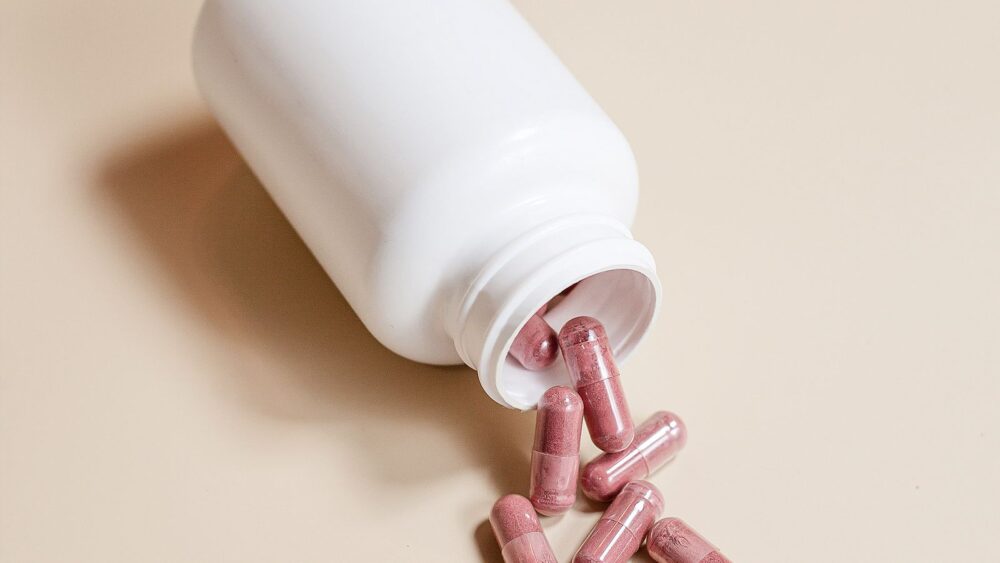
Kre Alkalyn is a “buffered” form of creatine: creatine monohydrate mixed with an alkaline powder so that the mixture has a higher pH. It is sold with the claim that it survives stomach acid better and works at a smaller dose than regular creatine. The independent research so far has not shown it to be more effective than plain creatine monohydrate, which is still the most studied and usually the simpler choice.
This review explains what Kre-Alkalyn is, what the claims are, what the evidence actually found and how to choose a creatine supplement that suits you.
What Is Kre Alkalyn?
Kre-Alkalyn is a trademarked name for buffered creatine. The product starts with creatine monohydrate and adds an alkaline buffering agent, which raises the pH of the powder or capsule contents.
The idea behind it is that normal creatine might break down into creatinine, a waste product, in the acidic stomach before it can be absorbed. By buffering the creatine, the makers claimed more of it would stay intact and reach the muscles. Based on this, Kre-Alkalyn has been marketed with three main promises:
- you need a smaller daily amount than with creatine monohydrate;
- you do not need a “loading” phase;
- you get less bloating or stomach discomfort.
The Claims vs What the Research Shows
Claim: regular creatine breaks down in the stomach
The original version of this article pointed out that this claim does not hold up well, and that is still the case. Studies on creatine monohydrate show that it is well absorbed when taken by mouth and that regular use raises the amount of creatine stored in muscle. If most of it were destroyed in the stomach, those increases would not be seen.
Claim: buffered creatine works better at a lower dose
The most useful study on this question was an independent trial published in the Journal of the International Society of Sports Nutrition in 2012. People who already did resistance training took either Kre-Alkalyn at the label dose, Kre-Alkalyn at a higher dose, or creatine monohydrate while following a training programme. The researchers found that the buffered creatine did not increase muscle creatine, body composition or training results more than creatine monohydrate.
In other words, the extra processing did not show a clear advantage. Earlier, smaller studies that suggested a difference were not confirmed by this more careful trial.
Why the older reasoning was misleading
Some older articles argued that any small benefit seen with buffered creatine probably came from the alkaline buffer itself rather than from better creatine absorption. That idea was never properly tested for Kre-Alkalyn, so it is best treated as speculation. The simple takeaway is that there is no good evidence that buffering makes creatine work better.
Kre Alkalyn Side Effects
Because Kre-Alkalyn is still creatine, its possible side effects are similar to those reported with creatine monohydrate:
- Water weight: creatine draws water into muscle cells, so the number on the scale can go up a little in the first weeks.
- Stomach discomfort: some people notice an upset stomach, especially when they take a large amount at once or on an empty stomach.
- Cramping or bloating: occasionally reported, although research on creatine has not found it to be common.
The 2012 study did not find that Kre-Alkalyn caused fewer side effects than creatine monohydrate. Drink enough water during the day, as you would with any training routine.
Follow the label directions and consult a doctor before using any creatine product if you have a kidney condition, are pregnant or breastfeeding, are under 18 or take regular medication.
Kre-Alkalyn vs Creatine Monohydrate
Here is a quick side-by-side overview:
| Kre-Alkalyn (buffered creatine) | Creatine monohydrate | |
|---|---|---|
| What it is | Creatine monohydrate with an alkaline buffer added | Creatine bound to one water molecule |
| Research | A small number of studies; the main independent trial found no extra benefit | The most researched form of creatine |
| Loading phase | Marketed as not needed | Optional; a steady daily amount also works over a few weeks |
| Common formats | Capsules and powder | Mostly powder, also capsules and tablets |
| Cost | Often priced higher per serving | Usually the most affordable form |
If you are curious about other forms, our guide to creatine HCl and how it compares covers another popular alternative.
How to Choose a Creatine Supplement
For most people, a plain creatine monohydrate powder from a reputable brand is the sensible starting point. When you compare products, look at:
- Creatine per serving: check how much creatine each scoop or capsule provides, not just the total tub weight.
- The form listed: monohydrate, micronized monohydrate, HCl or buffered. Micronized simply means finer powder that mixes more easily.
- Added ingredients: some products add sugar, flavours or other actives. Decide whether you want a single-ingredient product.
- Authenticity: buy from an authorised seller and check the label, batch number and seal.
You can compare options in our creatine supplements range, read how to judge creatine brands in India and see our simple guide on how to take creatine. If you have heard other bold claims about creatine, our article on common creatine myths is worth a read.
Frequently Asked Questions
Is Kre-Alkalyn better than creatine monohydrate?
Not according to the best available evidence. The main independent study found no extra gains in muscle creatine, body composition or strength compared with creatine monohydrate.
Do you need to load Kre-Alkalyn?
Kre-Alkalyn is marketed as not needing a loading phase. With any creatine, a loading phase is optional; follow the directions on the product you buy.
Does Kre-Alkalyn cause less bloating?
That is a marketing claim. Research has not shown that buffered creatine causes fewer stomach or bloating issues than creatine monohydrate.
Is Kre-Alkalyn safe?
Creatine is one of the most studied sports supplements, and buffered creatine is still creatine. Follow the label and consult a doctor first if you have a medical condition or take medication.

Authenticity Guarantee: Beast Nutrition is an authorized retailer for 100% genuine supplements with official importer tags, batch verification, and FSSAI compliance.
Disclaimer: This content is for informational and educational purposes only. Always consult a physician or certified dietitian before starting any new supplement regimen.
Keep reading
Supplement guides Buying guides & reviews Protein & whey
Synthetic Whey Protein: What It Is and How It Compares
Is whey protein synthetic? Learn how regular whey is made, what animal-free "synthetic" whey is, how the two
Read articleSupplement guides Beginner guides Creatine
Should I Take Creatine on Rest Days? A Simple Guide
Should I take creatine on rest days? Yes, most people take it daily. Learn why, how to take
Read articleSupplement guides Protein & whey
Absorbable Protein: What Makes Protein Easy to Absorb?
What does absorbable protein really mean? Learn how protein is digested, how PDCAAS and DIAAS measure quality, and
Read article