Supplement guides, Myths, safety & side effects, Weight loss & fat loss
Spot Reduction Myth: Why You Can’t Target Fat Loss
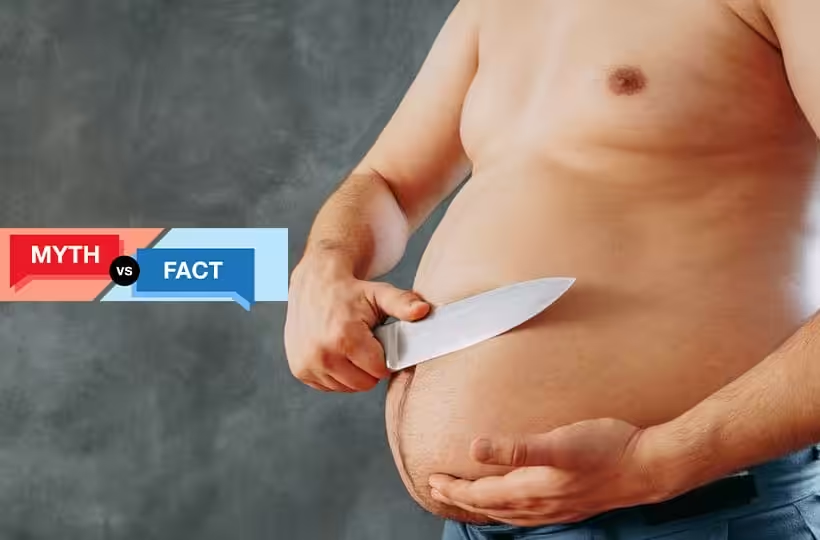
The spot reduction myth is the idea that you can burn fat from one chosen area, such as your belly or thighs, by exercising that part of the body. It does not work that way. Your body draws on fat stores from all over when you are in an energy deficit, and where you lose fat first is largely set by genetics, not by which muscle you train.
The good news is that targeted exercises still have value, and the approach that does reduce body fat is simple to understand. Here is what the science says and what to do instead.
What Is Spot Reduction?
Spot reduction refers to the belief that focusing on one body part will selectively burn the fat covering it. Common examples are doing hundreds of crunches to lose belly fat, endless leg raises for the lower stomach or thigh exercises to slim the legs. Many “fat-melting” gadgets, belts and creams are built on the same idea.
It is an appealing promise because it sounds quick and specific. Unfortunately, it goes against how the body stores and uses fat.
Why the Spot Reduction Myth Doesn’t Hold Up
How the body uses fat
Fat is stored as triglycerides in fat cells throughout the body. When you use more energy than you take in, hormones signal fat cells in many areas to release fatty acids into the bloodstream, where they can be used for fuel by working muscles and other tissues. A working muscle does not get its fuel only from the fat sitting right on top of it.
Several controlled studies have tested this directly, for example by having people train only one leg or arm, or do abdominal exercises alone for weeks. Overall, they found no meaningful extra fat loss in the trained area compared with the rest of the body.
The role of genetics
Where you tend to store fat, and where you lose it first, is strongly influenced by genetics, sex, age and hormones. Some people carry more fat around the stomach, others on the hips, thighs or arms. Training a specific area will not override that pattern. Often the most stubborn area is simply the last place to change.
What Targeted Exercises Can Do
Training a specific muscle group still has real benefits. It can make those muscles stronger and, over time, larger and firmer. Core exercises such as planks and dead bugs can improve stability and posture, and leg work supports everyday strength.
What targeted work cannot do is make a muscle visible if it is covered by body fat. Definition shows up once your overall body fat comes down, which is why a balanced plan matters more than doing more reps of one exercise.
What Actually Works for Fat Loss
A modest calorie deficit
To lose fat, you need to use slightly more energy than you eat over time. A small, steady deficit is easier to keep up than a crash diet. Our free calorie calculator gives you a starting estimate to adjust from.
Enough protein
Getting enough protein helps you stay full and supports muscle while you are eating a little less. Build meals around foods like dal, paneer, curd, eggs, chicken or fish. If meals fall short, a protein shake can help; see our guide to whey protein for weight loss.
Strength training for the whole body
Full-body strength training two to four times a week helps you keep or build muscle as you lose fat, which improves body shape. Compound movements such as squats, push-ups, rows and deadlifts work several muscles at once.
Cardio, daily movement and sleep
Walking, cycling, swimming or interval sessions add to your energy use. Daily steps matter more than many people think. Good sleep and stress management also make it easier to stick to your plan.
Where Supplements Fit In
No supplement can target fat in one area either. Products in the fat loss supplements category, such as L-carnitine or caffeine-based formulas, are at most a small addition to a sound diet and training plan, not a replacement for it. Follow the label and consult a doctor before use, especially with stimulant products or if you have a health condition.
Setting Realistic Expectations
Fat loss is gradual and rarely even. You may notice changes in your face or arms before your stomach, and progress can stall for a week or two before moving again. Rather than relying only on the mirror, track a few measures such as your waist measurement, progress photos and strength in the gym. The body fat calculator can help you follow the trend over time.
Focus on habits you can keep: steady eating, regular training and enough rest. The results will show across your whole body, including the areas you care about most.
Spot Reduction FAQ
Can I lose belly fat by doing crunches?
Crunches strengthen your abdominal muscles but do not burn the fat covering them in particular. Belly fat comes down as your overall body fat goes down through diet, training and activity.
Why is fat in some areas so hard to lose?
Fat distribution is largely genetic and hormonal. Areas where you store more fat often respond last, so they need patience and consistency rather than extra targeted exercises.
Do fat-burning creams or belts work?
There is no good evidence that creams, wraps or belts remove fat from a specific area. Any change tends to be temporary water loss from sweating.

Authenticity Guarantee: Beast Nutrition is an authorized retailer for 100% genuine supplements with official importer tags, batch verification, and FSSAI compliance.
Disclaimer: This content is for informational and educational purposes only. Always consult a physician or certified dietitian before starting any new supplement regimen.
Keep reading
Supplement guides Buying guides & reviews Protein & whey
Synthetic Whey Protein: What It Is and How It Compares
Is whey protein synthetic? Learn how regular whey is made, what animal-free "synthetic" whey is, how the two
Read articleSupplement guides Beginner guides Creatine
Should I Take Creatine on Rest Days? A Simple Guide
Should I take creatine on rest days? Yes, most people take it daily. Learn why, how to take
Read articleSupplement guides Protein & whey
Absorbable Protein: What Makes Protein Easy to Absorb?
What does absorbable protein really mean? Learn how protein is digested, how PDCAAS and DIAAS measure quality, and
Read article