
SUPPLEMENT GUIDES
EAA Amino Acid Supplements: A Simple Buyer’s Guide
Oct
If you have browsed the amino acid shelf of any supplement store, you have probably seen tubs labelled “EAA” sitting next to BCAAs, protein powders and pre-workouts. So what exactly is an EAA amino acid supplement, how is it different from the other options, and what should you check before you buy one? This guide explains the basics in plain language so you can compare products with confidence.
You can browse our full range of EAA supplements once you know what to look for.
What Is an EAA Amino Acid?
Amino acids are the building blocks of protein. Your body uses around twenty of them, and nine are called essential amino acids, or EAAs. They are called “essential” because the body cannot make them on its own, so they have to come from food or supplements.
The nine essential amino acids are:
- Histidine
- Isoleucine
- Leucine
- Lysine
- Methionine
- Phenylalanine
- Threonine
- Tryptophan
- Valine
The remaining amino acids are called non-essential because the body can produce them itself. If you want a deeper look at how the two groups differ, read our guide to essential vs nonessential amino acids.
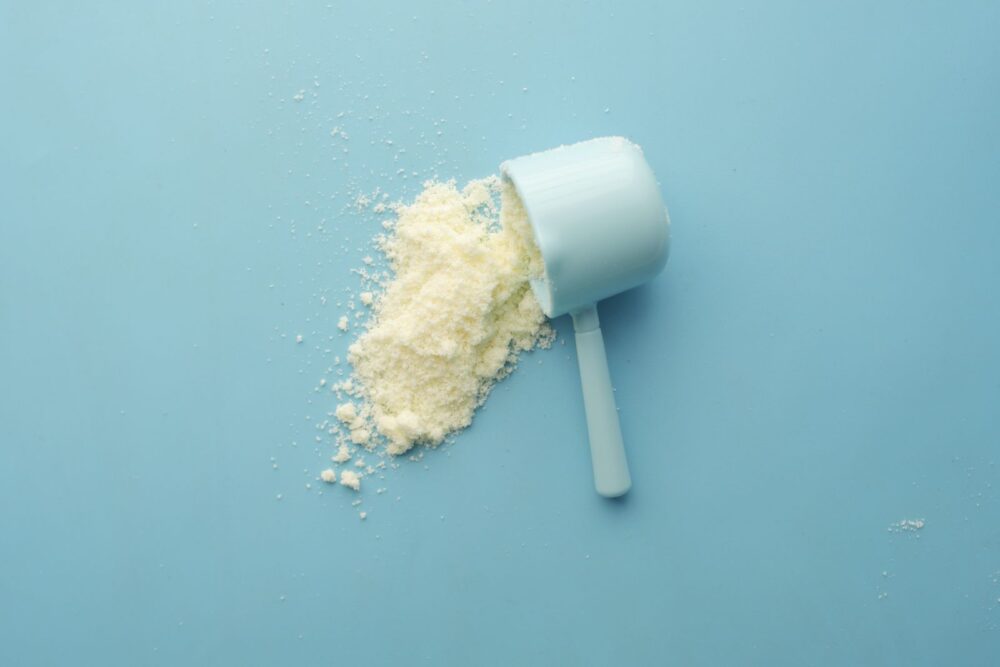
An EAA supplement is simply a powder or capsule that contains some or all of these nine amino acids in free form, usually mixed with water.
EAA vs BCAA: What’s the Difference?
This is one of the most common questions shoppers ask. BCAAs, or branched-chain amino acids, are three specific amino acids: leucine, isoleucine and valine. All three are also essential amino acids.
In other words, BCAAs are a subset of EAAs:
- A BCAA product focuses on three amino acids.
- An EAA product aims to include all nine essential amino acids, which also covers the three BCAAs.
Some products combine both, listing an EAA blend alongside extra BCAAs. When you compare tubs, look at which amino acids are actually listed rather than relying on the name on the front. You can compare both types side by side in our amino acid and BCAA supplements section.
EAA Supplements vs Protein Powder
Complete protein foods, such as milk, eggs, paneer and whey, already contain all nine essential amino acids. That is why many people get their EAAs simply from meals and a regular protein shake.
The main differences between an EAA powder and a protein powder are practical:
- Format: EAA powders contain free-form amino acids and usually mix into a thin, drink-like liquid. Protein powders contain whole protein and mix into a thicker shake.
- Calories: EAA products often carry fewer calories per serving than a full protein scoop, though this varies by product, so check the nutrition panel.
- Use: Protein powders are often used to help meet daily protein intake, while EAA drinks are usually sipped as a lighter beverage.
Neither one replaces a balanced diet. If you are unsure how much protein fits your routine, our article on how much protein you need is a good starting point, and you can explore our protein powders if a shake suits you better.
How to Read an EAA Supplement Label
Labels vary a lot between brands. Before you buy, take a minute to check these points:
- Amino acid breakdown. A clear label lists each amino acid and its amount per serving. Be cautious if the label only shows a “proprietary blend” with one total figure.
- Serving size. Compare products using the same serving size, and check how many servings the tub contains.
- Added ingredients. Many EAA products include extras such as electrolytes, flavours, sweeteners or caffeine. If you avoid stimulants, read the ingredient list carefully.
- Allergen and dietary information. Check whether the product is vegetarian and whether it lists any allergens that matter to you.
- Regulatory details. In India, food and health supplements carry a licence number from the Food Safety and Standards Authority of India (FSSAI). Look for it on the pack, along with the batch number and expiry date.
A product with a transparent label makes it much easier to compare value and know exactly what you are drinking.
How People Commonly Use EAAs
Most EAA powders are mixed with water and sipped as a flavoured drink. People often take them around their training sessions or between meals, but the right approach depends on the individual product and your own routine.
A few sensible habits apply to any supplement:
- Follow the serving directions printed on the label and do not exceed them.
- Count any caffeine in the product as part of your daily caffeine intake.
- Store the tub sealed in a cool, dry place and check the expiry date.
- Speak to a doctor or registered dietitian before starting a supplement if you are pregnant, nursing, taking medication or managing a health condition.
Frequently Asked Questions
Is an EAA supplement the same as a BCAA supplement?
No. A BCAA supplement contains three amino acids (leucine, isoleucine and valine), while an EAA supplement aims to include all nine essential amino acids, including those three.
Do I need EAAs if I already take whey protein?
Whey is a complete protein and already contains all nine essential amino acids. Whether you also want an EAA drink is a personal choice based on your diet, preferences and budget.
Are EAA supplements suitable for vegetarians?
Many are, but not all. Check the label for a vegetarian mark and read the ingredient list, including the flavour and colour sources.
Understanding what an EAA amino acid product contains makes it easier to choose one that fits your routine. Compare labels, check the added ingredients and pick the option that suits your needs.