
Supplement guides, Diet & nutrition, Muscle building, Protein & whey
High Protein Diet Plan for Muscle Gain: A Simple Guide
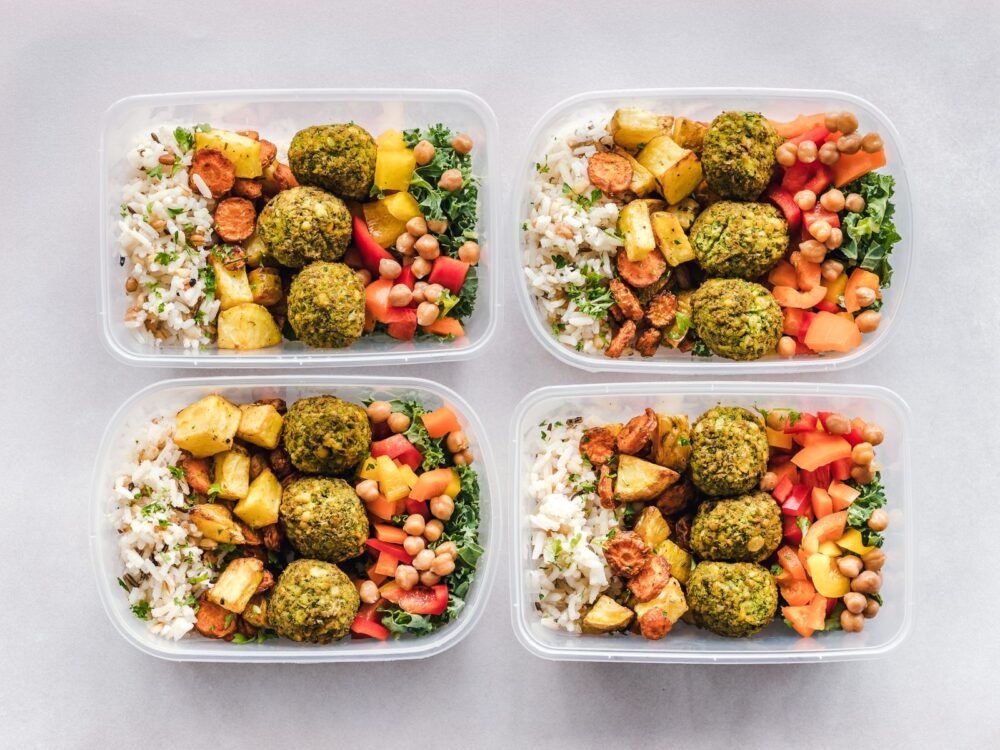
A high protein diet plan for muscle gain means building every meal around a good protein source, eating enough total calories to support growth and spreading protein across the day. You do not need extreme amounts of protein or a rigid meal schedule; you need a plan you can follow consistently alongside regular strength training.
This guide shows how to work out a sensible protein target, how to structure your meals and what a simple high protein day can look like for vegetarians and non-vegetarians.
What Is a High Protein Diet Plan?
A high protein diet plan is an eating pattern where protein foods take a central place in each meal, rather than being an afterthought. For people trying to gain muscle, the goal is to give the body enough protein to repair and build muscle after training, while still eating enough carbohydrates and fats to fuel workouts.
The original version of this article made a fair point: many people try every new product promoted as a breakthrough before they sit down and plan their meals. A clear plan usually does more than any single supplement.
How Much Protein Do You Need?
Protein needs vary with body weight, age, activity and goals. As a general reference, the International Society of Sports Nutrition suggests that most people who exercise regularly do well in a range of roughly 1.4 to 2.0 grams of protein per kilogram of body weight per day (ISSN position stand). People who do not train usually need less.
Rather than copying someone else’s number, use our free macro calculator to get a personal starting point, then adjust based on your progress. If you have a kidney condition or any other health concern, speak to your doctor before increasing your protein intake.
Do not forget total calories
Protein alone will not build muscle if you are eating too little overall. To gain muscle, most people need a small calorie surplus. Our calorie calculator helps you estimate how much to eat.
How to Build Each Meal
Older advice often insisted on exactly five or six meals spaced every few hours. In practice, three main meals plus one or two snacks works well for most people. What matters more is that each meal contains protein.
- Start with a protein food: eggs, chicken, fish, paneer, curd, dal, soya or tofu.
- Add a carbohydrate: rice, roti, oats, potatoes or fruit, especially around training.
- Include vegetables: for fibre, vitamins and minerals.
- Add a little healthy fat: nuts, seeds, ghee or oil in cooking.
- Spread protein out: eating protein at each meal is easier on digestion and easier to hit than one huge serving at night.
Sample High Protein Diet Plan for a Day
Here is a simple example to adapt. Portion sizes depend on your own calorie and protein targets.
| Meal | Non-vegetarian | Vegetarian |
|---|---|---|
| Breakfast | Egg omelette with toast and a glass of milk | Oats cooked in milk with nuts, plus a bowl of curd |
| Lunch | Grilled chicken, rice, dal and salad | Paneer bhurji, roti, dal and salad |
| Pre-workout snack | Banana and a handful of peanuts | Banana and peanut butter on toast |
| After training | Protein shake or boiled eggs | Protein shake or roasted chana |
| Dinner | Fish curry with rice and vegetables | Soya chunk curry or rajma with rice and vegetables |
For a fuller vegetarian plan, see our Indian vegetarian diet plan for bodybuilding.
Where Supplements Fit
Supplements are optional. A protein powder can make it easier to reach your daily target when you are busy, and it is easy to carry to the gym. You can compare options in our protein supplements range.
If your main problem is eating enough calories, a mass gainer adds carbohydrates as well as protein. Our guide to choosing the best mass gainer explains what to look for. Whatever you choose, follow the label and consult a doctor if you have a health condition.
Common High Protein Diet Mistakes
- Cutting carbohydrates too hard: carbs fuel your training. Very low intake can leave workouts flat.
- Relying on shakes instead of meals: whole foods provide fibre, vitamins and minerals that powders do not.
- Ignoring water: drink regularly through the day, especially when you train.
- Changing the plan every week: give a plan a few weeks, track your weight and strength, then adjust.
Frequently Asked Questions
Is a high protein diet safe?
For most healthy adults, a moderately high protein intake from varied foods is generally considered safe. People with kidney disease or other medical conditions should get advice from their doctor first.
Can I follow a high protein diet plan as a vegetarian?
Yes. Milk, curd, paneer, dal, chana, rajma, soya and tofu can all supply protein. Combining pulses and grains through the day helps.
Do I need to eat six meals a day?
No. Meal frequency matters less than total daily protein and calories. Choose a pattern that suits your routine.

Authenticity Guarantee: Beast Nutrition is an authorized retailer for 100% genuine supplements with official importer tags, batch verification, and FSSAI compliance.
Disclaimer: This content is for informational and educational purposes only. Always consult a physician or certified dietitian before starting any new supplement regimen.
Keep reading
Supplement guides Buying guides & reviews Protein & whey
Synthetic Whey Protein: What It Is and How It Compares
Is whey protein synthetic? Learn how regular whey is made, what animal-free "synthetic" whey is, how the two
Read articleSupplement guides Beginner guides Creatine
Should I Take Creatine on Rest Days? A Simple Guide
Should I take creatine on rest days? Yes, most people take it daily. Learn why, how to take
Read articleSupplement guides Protein & whey
Absorbable Protein: What Makes Protein Easy to Absorb?
What does absorbable protein really mean? Learn how protein is digested, how PDCAAS and DIAAS measure quality, and
Read article