

SUPPLEMENT GUIDES
Protein Supplements for Vegetarians: A Buyer’s Guide
Oct
Finding good protein supplements for vegetarians can feel confusing. Some products that look vegetarian are made with ingredients you may want to avoid, while others that seem unfamiliar are completely plant- or dairy-based. If you follow a vegetarian diet and want an easy way to add protein to your day, a supplement can help fill the gap between what you eat and what you are aiming for. This guide explains the main types of vegetarian-friendly protein supplements, how to check a label, and how to pick one that suits your routine.
Why Vegetarians Look at Protein Supplements
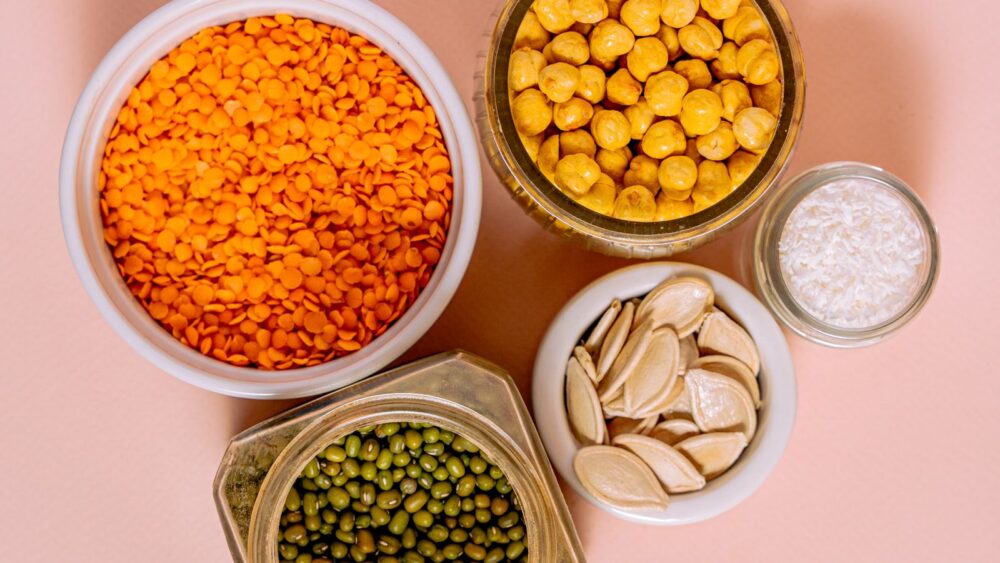
A well-planned vegetarian diet can include plenty of protein from foods such as dal, chana, rajma, paneer, curd, milk, tofu, nuts and seeds. The challenge for many people is convenience. Busy schedules, small appetites or simply not enjoying large portions of legumes can make it harder to reach a daily protein target from meals alone.
A protein supplement is not a replacement for real food. It is a convenient, measured way to top up your intake, for example as a shake after training, with breakfast, or as a quick snack. If you are not sure how much protein you need in the first place, start with our guide on how much protein you really need, and plan your meals around whole foods first. Our Indian vegetarian diet plan shows how a supplement can fit around everyday meals.
Types of Protein Supplements for Vegetarians
Vegetarian-friendly protein supplements generally fall into two groups: dairy-based and plant-based.
- Whey protein concentrate: Made from milk, it is the most common type of protein powder and usually contains some lactose and fat along with the protein.
- Whey protein isolate: Also milk-based, but filtered further, so it typically has less lactose and fat per serving than concentrate.
- Casein protein: The other main milk protein. It digests more slowly than whey, which is why some people prefer it at night.
- Plant protein blends: Usually made from pea, brown rice, soy or other plant sources, often blended to give a more complete amino acid profile. These suit vegetarians who avoid dairy as well as vegans.
If you are comparing milk-based options, browse our whey isolate protein powders to see how different products list protein per serving and ingredients. If you would rather avoid dairy altogether, our guide to choosing a plant-based protein powder goes into pea, soy and rice proteins in more detail.
Is Whey Protein Vegetarian?
This is one of the most common questions vegetarians ask. Whey is a by-product of cheese and paneer making, so it comes from milk rather than meat, and most people who eat dairy consider it vegetarian. The detail to watch is how the cheese was made. Some cheese-making uses animal rennet, which strict vegetarians may want to avoid.
In India, the simplest check is the food-type mark on the pack. Packaged foods sold in India carry a green symbol for vegetarian or a brown symbol for non-vegetarian under labelling rules set by the Food Safety and Standards Authority of India (FSSAI). If the green mark is present and the ingredient list matches your preferences, the product is labelled as vegetarian. When in doubt, contact the brand directly before you buy.
How to Read a Vegetarian Protein Supplement Label
Once you have narrowed down the type, compare products on what the label actually says rather than on marketing claims:
- Vegetarian mark: Look for the green symbol on the front of the pack.
- Protein per serving: Check the grams of protein and the serving size, so you compare like with like.
- Ingredient list: Note the protein source (whey, casein, pea, soy, rice) and look for added sugar, sweeteners and flavourings you may prefer to avoid.
- Allergens: Milk and soy are common allergens, so read the allergen statement carefully if either is a concern.
- Capsules and add-ons: If a product includes capsules, check whether they use gelatin, which is not vegetarian.
- Licence and batch details: A genuine product should show the FSSAI licence number, manufacturing date and batch number.
If you have a medical condition, are pregnant, or take regular medication, speak with a doctor or registered dietitian before adding any supplement.
Choosing the Right Option for Your Routine
The best choice depends on your diet, your digestion and how you plan to use it. If you eat dairy and want a widely available option that mixes easily, a whey concentrate or isolate is a common starting point. If milk products do not agree with you, a whey isolate or a plant blend may be more comfortable. If you avoid all animal products, plant protein is the natural fit.
Taste and mixability matter too. A product you enjoy and use consistently is more useful than one that sits unopened in the cupboard. Start with a smaller pack if you are trying a new type or flavour, and buy from a store that sells genuine, sealed products. You can compare options across our full range of protein supplements.
Protein Supplements for Vegetarians: FAQs
Can vegetarians use whey protein?
Most vegetarians who eat dairy use whey protein, because it is made from milk. Check for the green vegetarian mark and read the ingredients if you avoid animal rennet.
What is the best protein supplement for vegetarians who avoid dairy?
Plant protein powders made from pea, soy, brown rice or a blend of these are the usual choice for vegetarians who avoid dairy. Compare protein per serving and ingredients across products.
Do vegetarians need protein supplements?
Not necessarily. Many vegetarians meet their protein needs through food. A supplement is simply a convenient option if you find it hard to reach your target from meals alone.