

Supplement guides, Muscle building
How to Get Shredded Without Losing Muscle
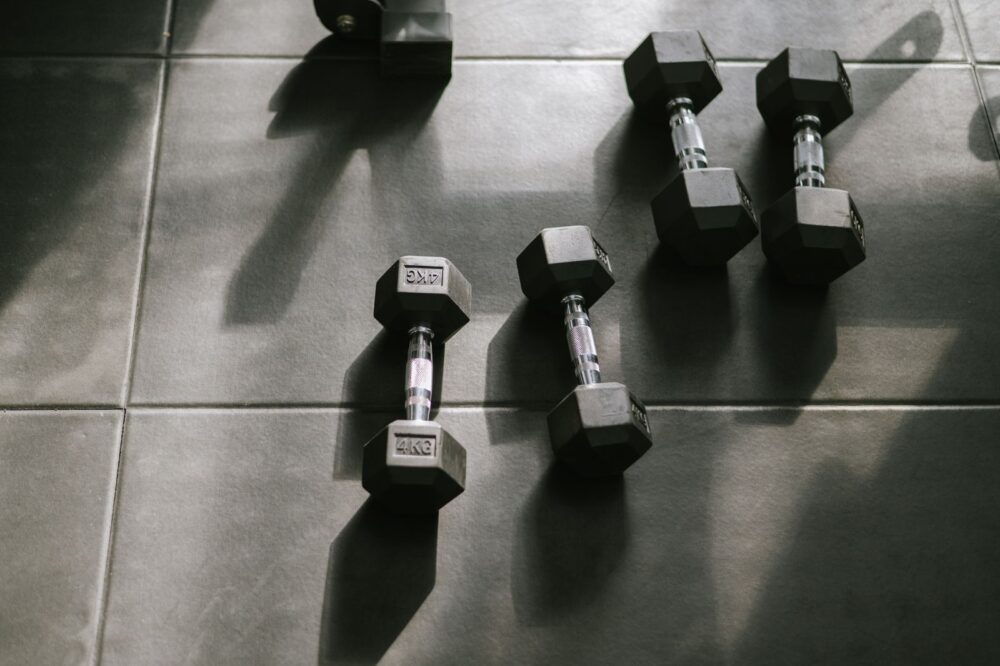
If you are wondering how to get shredded, the answer is to lower your body fat enough for your muscles to show, while doing everything you can to keep the muscle you have built. In practice that means a moderate calorie deficit, plenty of protein, continued hard strength training, sensible cardio and patience. There are no shortcuts, and the extreme tricks often seen before shows tend to do more harm than good.
Bodybuilding is often called a science, but getting lean is part science and part art. This guide covers the fundamentals that matter most, whether you are preparing for a stage or simply want sharper definition.
What Does Getting Shredded Mean?
“Shredded” describes a physique with low body fat and clearly visible muscle definition and separation. Two things create that look: enough muscle mass to show, and little enough fat covering it. If you diet hard without much muscle, you end up thin rather than shredded.
It also helps to be realistic. Stage-lean condition is held for a short period and is not meant to be maintained all year. For most people, a lean but comfortable level of body fat is healthier and easier to live with. You can track progress with photos, measurements and a body fat calculator rather than relying on the scale alone.
How to Get Shredded With Your Diet
Fat loss comes down to eating fewer calories than you burn over time. The goal is to lose fat steadily without losing strength and muscle along the way.
Use a moderate calorie deficit
A small to moderate deficit is easier to stick to and better for keeping muscle than crash dieting. Start by estimating your maintenance calories with the calorie calculator, then reduce gradually and adjust based on how your weight and measurements change over a few weeks.
Keep protein high
Protein supports muscle repair and keeps you feeling full while dieting. Build each meal around a good protein source such as eggs, chicken, fish, paneer, dal, curd or tofu. The macro calculator can help you plan protein, carbs and fats for your goal.
Manage carbohydrates, do not fear them
Cutting refined sugar and flour makes a deficit easier, but carbohydrates still fuel hard training. Many lifters place more of their carbs around workouts and eat fewer on rest days. Some experienced competitors use carb cycling, but very low-carb phases are hard to sustain and are best planned with a qualified coach or dietitian.
Keep Training Hard
One of the biggest mistakes when cutting is easing off in the gym. Your muscles need a reason to stay, and that reason is continued, challenging strength training. Champion bodybuilders keep training hard right up to a show.
High volume or heavy training?
Some lifters keep the weights heavy throughout a cut, while others shift to higher reps and more sets per muscle group. Both can work. What matters most is that you try to maintain your strength on key lifts. Light weights alone will not build size, but they can be part of a varied programme as long as the overall effort stays high.
Remember that you cannot choose where fat comes off. Endless crunches will not reveal abs on their own; overall fat loss will. Our article on the spot reduction myth explains why.
Cardio for Getting Shredded
Cardio is a tool to increase your energy expenditure, not a replacement for diet. Bodybuilders differ widely here: some add daily sessions before a show, while others keep cardio low because too much can leave them tired and affect their lifting.
- Low-intensity cardio, such as incline walking or steady cycling, is easy to recover from and can be done on most days.
- High-intensity intervals are time efficient but more demanding, so keep them to a few sessions a week.
- Daily steps are an underrated way to burn more energy without adding fatigue.
Increase cardio gradually as you get leaner rather than starting with large amounts on day one.
Hydration, Sleep and Recovery
Old contest-prep advice often focuses on “dropping water” with diuretic herbs or products. Restricting fluids or using diuretics can cause dehydration, cramps, dizziness and poor performance, and it is not something to try without medical supervision. Drinking enough water every day is the safer approach, and a well-planned diet with moderate salt usually keeps water retention in check.
Sleep and recovery matter just as much. Poor sleep makes hunger harder to control and training harder to recover from. Aim for consistent sleep, manage stress and take rest days seriously.
Supplements That Can Support a Cut
Supplements do not get you shredded on their own, but some can make a good plan easier to follow:
- Protein powder: a convenient way to meet a higher protein target. Whey isolate is often chosen during a cut because it is typically lower in carbs and fat per serving.
- Creatine: one of the most researched supplements for strength training and commonly used to support training performance while dieting.
- A multivitamin: can help fill gaps when calories and food variety are reduced.
Follow the label and consult a doctor before starting any supplement, especially if you have a medical condition or take medicines.
Looking Your Best on Stage
If you are competing, presentation matters too. Competitors use a dark competition tan because it shows muscle detail under bright stage lights. A cosmetic self-tan product is the safer choice; tanning beds and long sun exposure increase the risk of skin damage. Practise posing well before the show, because confident posing shows off conditioning far better than a few extra weeks of dieting.
How to Get Shredded: FAQ
How long does it take to get shredded?
It depends on your starting body fat. Someone already fairly lean may need a few months, while others may need much longer. A steady pace protects muscle better than a rushed diet.
Can I get shredded without losing muscle?
You can keep most of it by eating enough protein, keeping your deficit moderate and continuing to train hard with weights. Some strength loss near the end of a long diet is normal.
Do I need fat burners to get shredded?
No. Diet, training, sleep and consistency do the real work. If you are considering any fat loss supplement, check the label carefully and speak to a doctor first.

Authenticity Guarantee: Beast Nutrition is an authorized retailer for 100% genuine supplements with official importer tags, batch verification, and FSSAI compliance.
Disclaimer: This content is for informational and educational purposes only. Always consult a physician or certified dietitian before starting any new supplement regimen.
Keep reading
Supplement guides Buying guides & reviews Protein & whey
Synthetic Whey Protein: What It Is and How It Compares
Is whey protein synthetic? Learn how regular whey is made, what animal-free "synthetic" whey is, how the two
Read articleSupplement guides Beginner guides Creatine
Should I Take Creatine on Rest Days? A Simple Guide
Should I take creatine on rest days? Yes, most people take it daily. Learn why, how to take
Read articleSupplement guides Protein & whey
Absorbable Protein: What Makes Protein Easy to Absorb?
What does absorbable protein really mean? Learn how protein is digested, how PDCAAS and DIAAS measure quality, and
Read article