

Supplement guides, Diet & nutrition, Mass gainers & bulking, Muscle building
Muscle Building Foods: What to Eat to Gain Muscle
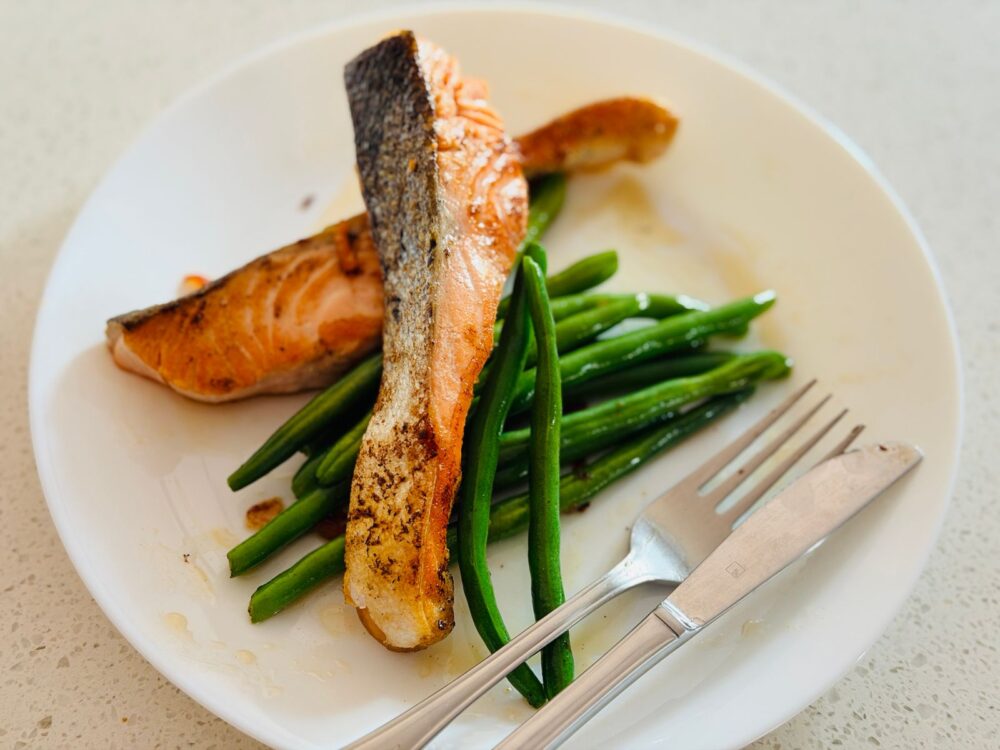
The best muscle building foods give you enough good-quality protein, plus the carbohydrates and fats that fuel your training. Eggs, chicken, fish, paneer, curd, dal, soya, oats and rice can cover most of what you need, with a protein shake as a convenient top-up rather than the main event.
This guide explains what makes a food useful for building muscle, which everyday foods to put on your plate and how to combine them through the day.
What Makes a Food Good for Muscle Building?
Muscle is built when you train hard enough to challenge it and then give your body the raw materials to repair and grow. Food supplies those raw materials. Three things matter most:
- Protein quality and quantity: protein supplies the amino acids your muscles are made from. Animal foods, dairy and soya contain all nine essential amino acids, while most other plant foods work best in combination (for example dal with rice).
- Enough total energy: if you eat too little overall, your body has less to spare for building new tissue. Carbohydrates and fats supply most of that energy.
- Foods you can eat consistently: the right muscle building foods are the ones that fit your budget, taste and routine every day, not a special list you follow for a week.
The original version of this article warned that many people avoid nutrition because they think it is complicated. It does not need to be. A few reliable foods, eaten regularly, do most of the work.
Protein-Rich Muscle Building Foods
These foods should form the base of most meals. For a wider list with Indian options, see our guide to high protein foods.
Eggs
Eggs are one of the most practical protein foods. They provide high-quality protein with all nine essential amino acids, along with fats and nutrients such as vitamin D. They are affordable, quick to cook and easy to add to breakfast or snacks.
Chicken and lean meat
Skinless chicken breast and lean cuts of meat are rich in protein and relatively low in fat. Chicken is easy to batch-cook and season in different ways, which helps you stay consistent. Lean red meat also provides iron and zinc.
Fish
Fish such as rohu, surmai, salmon and tuna supply protein, and oily fish also provide omega-3 fats. Grilled, baked or cooked as a light curry, fish is a useful change from chicken a few times a week.
Paneer, curd and cottage cheese
Dairy foods are a strong option, especially for vegetarians. Paneer and cottage cheese are rich in casein, a slower-digesting milk protein, which is why many people like them in the evening. Curd and Greek-style yoghurt make easy snacks or sides.
Dal, chana, rajma and soya
Pulses add protein and fibre to vegetarian meals. Soya chunks and tofu are among the most protein-dense plant foods. Pairing pulses with grains across the day helps give you a fuller range of amino acids. Our Indian vegetarian diet plan for bodybuilding shows how to build full days around these foods.
Carbs and Fats That Fuel Your Training
Protein gets most of the attention, but you cannot train well on protein alone. Carbohydrates refill the energy stored in your muscles, and fats support overall health and add useful calories.
- Oats: minimally processed, filling and easy to prepare. Oats work well at breakfast or a couple of hours before training.
- Rice, roti and potatoes: simple, familiar carbohydrate sources that pair well with dal, chicken or paneer.
- Fruit: bananas, apples and seasonal fruit are handy before or after a workout.
- Nuts, seeds and peanut butter: calorie-dense and convenient when you find it hard to eat enough. Peanut butter on toast or in a shake is a common choice; you can browse options in our peanut butter range.
Where Whey Protein Fits
Whey protein is the most popular supplement in fitness for a reason: it is a fast, convenient way to add protein when meals fall short. People often use it after training, at breakfast or between meals.
The original article made an important point that still stands: whole foods should be your main source of protein, with a shake to fill gaps. If you decide a powder would help, compare options in our protein supplements range, follow the label and consult a doctor if you have a health condition.
How to Put Muscle Building Foods on Your Plate
A simple rule is to build each meal around one protein food, add a carbohydrate, and finish with vegetables and a little fat. The table below shows how common foods fit.
| Food | Main role | Easy way to use it |
|---|---|---|
| Eggs | Protein | Omelette or bhurji at breakfast |
| Chicken or fish | Protein | Grilled with rice or roti at lunch or dinner |
| Paneer, curd | Protein | Paneer tikka, curd as a side or snack |
| Dal, soya, chana | Protein and fibre | Dal with rice, soya pulao, chana chaat |
| Oats, rice, potatoes | Energy for training | Oats before training, rice with meals |
| Nuts, peanut butter | Healthy fats and extra calories | Snack or added to a shake |
How much you need depends on your body size, activity level and goal. Our free macro calculator gives you a starting estimate for protein, carbs and fat that you can adjust over time.
Frequently Asked Questions
What is the best food for building muscle?
There is no single best food. Eggs, chicken, fish, paneer, curd and soya are all strong protein sources. The best choice is the one you can eat regularly as part of balanced meals.
Can vegetarians build muscle with food alone?
Yes. Paneer, curd, milk, dal, chana, soya and tofu can cover protein needs when you eat them across the day. Some vegetarians add a protein powder for convenience.
Do I need supplements to build muscle?
No. Supplements are optional and can make it easier to hit your protein target. Training, enough food and good sleep matter far more.

Authenticity Guarantee: Beast Nutrition is an authorized retailer for 100% genuine supplements with official importer tags, batch verification, and FSSAI compliance.
Disclaimer: This content is for informational and educational purposes only. Always consult a physician or certified dietitian before starting any new supplement regimen.
Keep reading
Supplement guides Buying guides & reviews Protein & whey
Synthetic Whey Protein: What It Is and How It Compares
Is whey protein synthetic? Learn how regular whey is made, what animal-free "synthetic" whey is, how the two
Read articleSupplement guides Beginner guides Creatine
Should I Take Creatine on Rest Days? A Simple Guide
Should I take creatine on rest days? Yes, most people take it daily. Learn why, how to take
Read articleSupplement guides Protein & whey
Absorbable Protein: What Makes Protein Easy to Absorb?
What does absorbable protein really mean? Learn how protein is digested, how PDCAAS and DIAAS measure quality, and
Read article