
SUPPLEMENT GUIDES
Raw Whey Proteins: What They Are and How to Choose
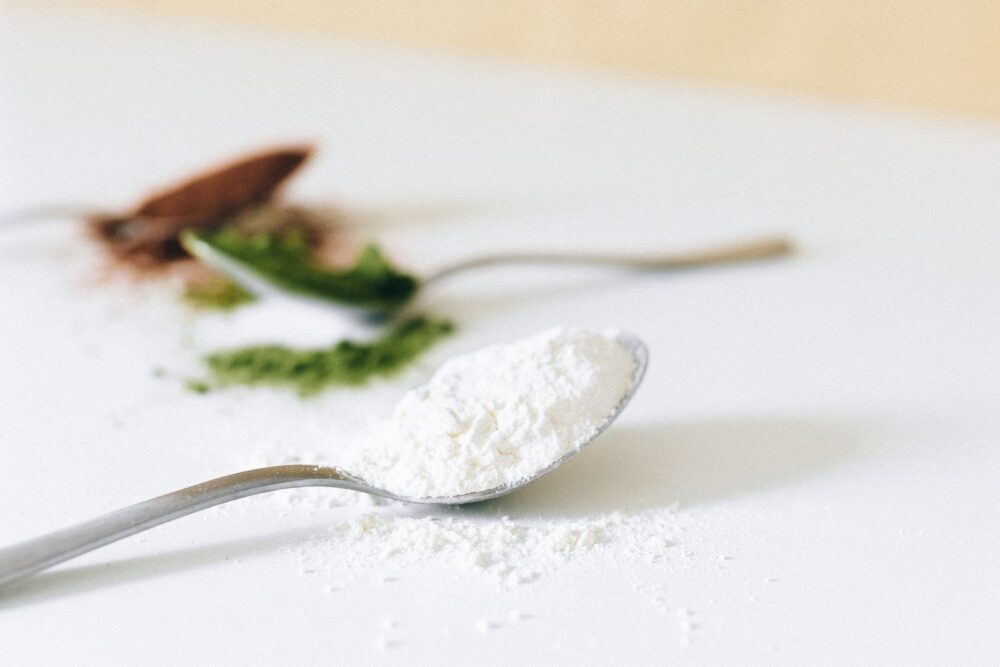
Raw whey proteins have become a popular choice for people who want a simple, unflavoured protein powder without the sweeteners and flavour systems found in most shakes. But the word “raw” can be confusing. It does not mean the powder is uncooked or made in a completely different way. This guide explains what raw whey usually means on a label, how it compares with flavoured whey, and what to check before you buy.
What Are Raw Whey Proteins?
Whey is the liquid that separates from milk during cheese and paneer making. It is filtered and dried to make whey protein powder. If you want the full background, our article on how whey is made from curds and whey walks through the process.
“Raw whey” is a term sellers use for whey powder sold in its plain form: unflavoured, and usually without added sweeteners, colours or flavouring agents. It is a description of how the product is presented rather than a separate grade of whey. Most raw whey products are whey protein concentrate, although some are isolate. Because the label term is informal, the ingredient list is what tells you exactly what you are getting.
Raw Whey vs Flavoured Whey: Key Differences
Both start from the same base. The differences come from what is added afterwards.
- Ingredient list: Raw whey often lists only the whey itself, sometimes with an emulsifier to help it mix. Flavoured whey adds cocoa, flavourings, sweeteners and sometimes thickeners.
- Taste: Unflavoured whey has a mild, milky taste. On its own in water it can taste plain, which is why many people mix it into other foods and drinks.
- Mixing: Without added emulsifiers, some raw whey powders can clump more. A shaker or blender usually solves this.
- Flexibility: A plain powder can go into sweet or savoury recipes because it does not bring its own flavour.
If you prefer to choose your own flavours, or you want fewer additives in your shake, raw whey is worth a look. You can browse the current options in our raw whey protein collection.
Concentrate or Isolate: Which Type of Raw Whey Fits You?
Raw whey is sold in the same two main forms as flavoured whey. Whey concentrate goes through less filtration, so it keeps more of the naturally occurring fat and lactose from milk. Whey isolate is filtered further, which raises the share of protein per scoop and reduces fat and lactose. Isolate generally costs more because of that extra processing.
Which one suits you depends on your budget, how your body handles dairy, and your personal preference. Our side-by-side guide to whey concentrate vs whey isolate explains the difference in more detail, and if you are leaning towards isolate, our article on isolated whey protein covers how to choose one.
How to Read a Raw Whey Label Before You Buy
Since raw whey has very few ingredients, the label is easy to check. Look for these details:
- Type of whey: The ingredient list should say whether it is whey protein concentrate, isolate or a mix.
- Protein per serving: Compare the grams of protein per scoop and the scoop size, not just the pack weight.
- Other ingredients: Note any emulsifiers, anti-caking agents or added sugars, even in an “unflavoured” product.
- Licence and batch details: Products sold in India should carry an FSSAI licence number. You can learn more about food licensing on the Food Safety and Standards Authority of India website. Also check the batch number, manufacturing date and best-before date.
- Seal and packaging: The tub or pouch should be sealed and undamaged when it reaches you.
Price is part of the picture too. Comparing cost per gram of protein, rather than cost per tub, gives a fairer view. Our guide to what drives whey protein price shows how to do that comparison.
How Do You Use Unflavoured Raw Whey?
This is one of the most common questions from first-time buyers, because plain whey in water is not to everyone’s taste. A few simple ideas:
- Shake it with milk instead of water for a creamier drink.
- Blend it into a smoothie with fruit such as banana or berries.
- Stir it into oats or curd once they have cooled slightly, so the powder does not clump.
- Add it to pancake or chilla batter, adjusting the liquid as needed.
Always follow the serving size printed on the pack. Whey comes from milk, so anyone with a milk allergy should avoid it, and anyone with a medical condition, who is pregnant, or who is unsure whether a supplement suits them should speak to a doctor or qualified dietitian first.
Frequently Asked Questions
Is raw whey the same as whey concentrate?
Often, but not always. Many raw whey products are unflavoured whey concentrate, while some are isolate. Check the ingredient list to see which type you are buying.
Does raw whey taste bad?
It tastes mild and milky rather than bad, but it is plain. Most people mix it with milk, fruit or food to make it more enjoyable.
Why choose raw whey over flavoured whey?
People usually choose it for a shorter ingredient list, no added sweeteners, and the freedom to use it in different recipes. If you enjoy a ready-flavoured shake, a flavoured whey may suit you better.
Raw whey proteins are a simple product, and that is their appeal. Check the type of whey, read the ingredient list and licence details, compare protein per serving, and pick the form that fits your routine and budget.
Keep reading
SUPPLEMENT GUIDES
Best Mass Gainer: How to Choose the Right One
Looking for the best mass gainer? Learn how to compare calories, protein sources, sugar and serving sizes so
Read articleSUPPLEMENT GUIDES
Protein Supplements for Vegetarians: A Buyer’s Guide
Looking for protein supplements for vegetarians? Learn the difference between whey, casein and plant protein, and how to
Read articleSUPPLEMENT GUIDES
Whey Protein Price: What You’re Really Paying For
Why does whey protein price vary so much? Learn what drives the cost and how to compare products
Read article