

SUPPLEMENT GUIDES
Curds and Whey: What They Are and How Whey Is Made
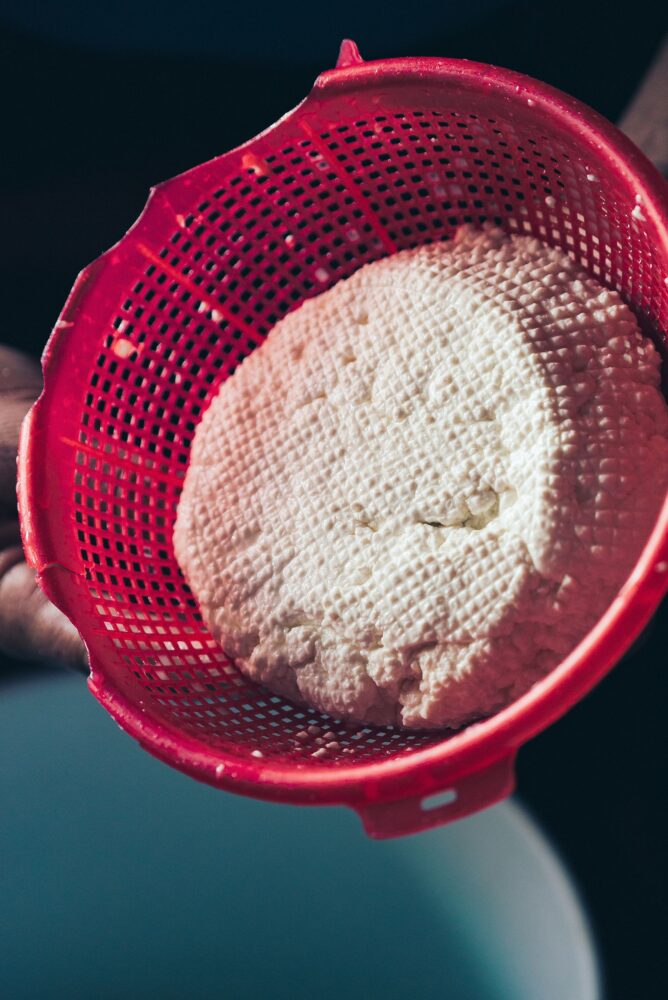
Curds and whey are the two parts milk separates into when it is curdled with an acid or an enzyme. The curds are the soft solids, which become paneer, chhena, cottage cheese and other cheeses. The whey is the thin, yellowish liquid left behind, and it is the starting point for the whey protein powder sold in supplement stores today.
Here is how curds and whey form, what each one is used for, and how liquid whey becomes protein powder.
What Are Curds and Whey?
Most people first hear the phrase in the old nursery rhyme about Little Miss Muffet, who sat on a tuffet “eating her curds and whey”. The dish she was eating was simply freshly curdled milk, much like a loose cottage cheese with some of its liquid still in the bowl.
When milk is curdled, its proteins behave in two different ways:
- Curds: Mostly casein protein and milk fat, which clump together into soft white solids.
- Whey: The watery liquid containing whey proteins, lactose, minerals and water.
A quick note on Indian usage: in India, “curd” usually means dahi, which is milk fermented with a bacterial culture. In the phrase “curds and whey”, curds means the solid pieces of curdled milk, which in an Indian kitchen are closer to paneer or chhena.
How Milk Separates Into Curds and Whey
Milk separates when its casein proteins are made to clump together. There are two common ways to do this:
- Acid: Adding lemon juice, vinegar or citric acid to hot milk makes it split almost immediately. This is how paneer and chhena are made at home.
- Enzymes: Cheesemakers use rennet, an enzyme preparation, which sets the milk into a firm gel that is then cut into curds. Rennet can come from animal, microbial or plant sources.
The curds are then drained, pressed and sometimes aged to make different cheeses. Fresh cheese curds are mild and springy, which is why they famously squeak when you bite them.
Curds in the Indian Kitchen
Paneer is one of the best-known examples of curds in everyday Indian cooking. It is pressed into a block and used in dishes such as paneer bhurji, palak paneer and paneer tikka, and it is a valuable protein source for vegetarians. Chhena, a softer, unpressed version, is the base for many Bengali sweets such as rasgulla and sandesh.
Because the curds hold most of the milk’s casein and fat, paneer is filling and rich, while the whey that drains away carries the lighter whey proteins and most of the lactose. That split is the reason cheese and whey protein powder end up as such different foods.
If you are building a vegetarian diet around foods like these, our guide to protein for vegetarians explains how to meet your daily needs.
From Liquid Whey to Whey Protein Powder
For a long time, the whey left over from cheese and paneer making was treated as a by-product. Today it is filtered and dried to produce whey protein powder. The main types differ in how much they are processed:
| Type | How it is made | What it means for you |
|---|---|---|
| Whey protein concentrate | Filtered to remove much of the water, lactose and fat, then dried | Good value, with a little more lactose and fat |
| Whey protein isolate | Filtered further to remove more lactose and fat | A higher share of protein per scoop |
| Hydrolysed whey | Whey that has been partly broken down during processing | Usually the most expensive option |
For a deeper comparison of the first two, read whey concentrate vs whey isolate, or our guide to isolated whey protein.
Can You Use Leftover Liquid Whey at Home?
Yes. When you make paneer at home, the leftover liquid whey does not have to go down the drain. Many cooks use it to knead atta for rotis, cook rice or dal, or add it to soups and gravies. It has a mild, tangy taste. Keep it refrigerated and use it within a day or two.
Homemade liquid whey is not the same as whey protein powder. It is mostly water and lactose, with only a small amount of protein in each glass, so it is a kitchen ingredient rather than a protein supplement.
Frequently Asked Questions
Is paneer made from curds and whey?
Paneer is made from the curds. Milk is curdled with an acid, the whey is drained away, and the curds are pressed into a block.
Is whey protein made from paneer water?
Commercial whey protein comes from the whey produced during large-scale cheese and dairy manufacturing, which is filtered and dried. The principle is the same as the liquid left after making paneer, but the processing is very different.
Is curd (dahi) the same as curds?
Not quite. Dahi is milk fermented with bacteria into a set, spoonable food. Curds in cheesemaking are the separated solids of curdled milk, closer to paneer.
If you would like to try whey in powder form, you can compare products in our whey concentrate range.

Authenticity Guarantee: Beast Nutrition is an authorized retailer for 100% genuine supplements with official importer tags, batch verification, and FSSAI compliance.
Disclaimer: This content is for informational and educational purposes only. Always consult a physician or certified dietitian before starting any new supplement regimen.
Keep reading
SUPPLEMENT GUIDES
Natural Protein Powder: How to Read the Label
What does natural protein powder really mean? Learn how to read the label, compare whey and plant options,
Read articleSUPPLEMENT GUIDES
Best Whey Protein Brands: How to Judge a Brand
Looking for the best whey protein brands? Learn how to judge any brand by its label, whey type,
Read articleSUPPLEMENT GUIDES
Plant Protein vs Whey Protein: Which Should You Pick?
Plant protein vs whey protein: compare sources, lactose, amino acids, taste and diet fit to choose the right
Read article