

Supplement guides, Buying guides & reviews, Protein & whey
Synthetic Whey Protein: What It Is and How It Compares
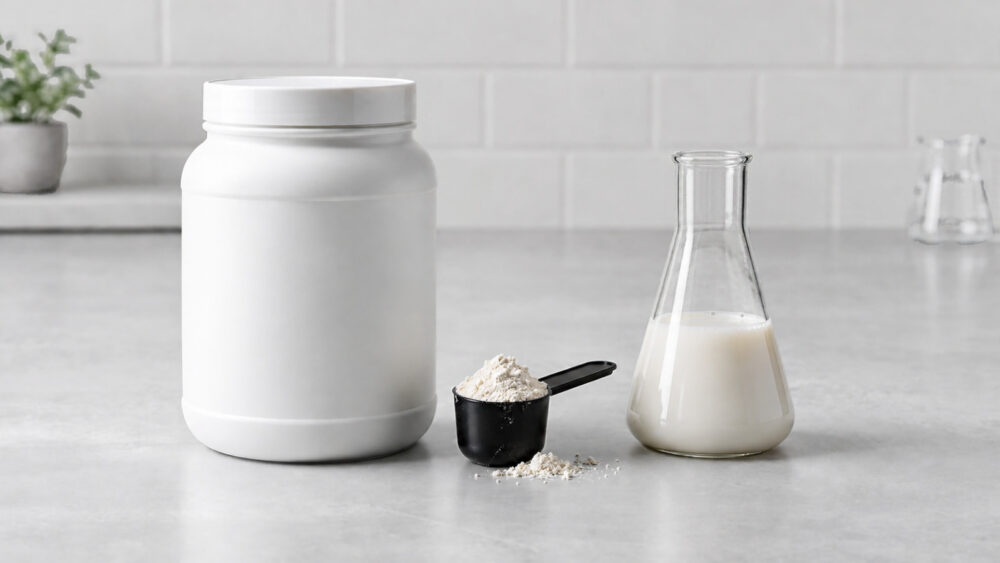
- Regular whey is not synthetic: it is the liquid left over when milk is turned into cheese or paneer, then filtered and dried into powder.
- “Synthetic whey” usually means animal-free whey: whey proteins made by microbes through precision fermentation instead of coming from cows.
- It is still a milk protein: animal-free whey can trigger a milk protein allergy, even though it is usually lactose-free.
- Read the label either way: check the protein source, ingredient list, allergen statement and FSSAI licence before you buy.
Search for synthetic whey protein and you will find two very different conversations. Some people worry that the whey in their tub is a lab-made chemical. Others are curious about a newer kind of whey that is made without cows at all. This guide clears up both: what normal whey actually is, what “synthetic” or animal-free whey means, how the two compare, and what to check on a label. If you just want to compare regular dairy whey options while you read, browse our protein powder range.
Is Regular Whey Protein Synthetic?
No. Standard whey protein comes from milk. When milk is curdled to make cheese or paneer, it separates into solid curds and a watery liquid. That liquid is whey. Manufacturers filter it to remove much of the fat, lactose and water, then dry it into a powder. Depending on how far the filtering goes, you get concentrate, isolate or hydrolysate. Our article on how curds and whey are made walks through this step by step, and the history of whey protein explains how a cheese by-product became a gym staple.
Processing does not turn whey into a synthetic substance. What can be man-made in a protein powder are the extras: flavours, sweeteners, thickeners and colours. These are listed in the ingredient panel, so if you prefer fewer additives, look for an unflavoured powder with a short ingredient list.
What Is Synthetic Whey Protein (Animal-Free Whey)?
When people use the phrase synthetic whey protein in a positive sense, they usually mean animal-free whey, sometimes called precision-fermented or “cow-free” whey. Instead of milking a cow, producers give microorganisms such as yeast or fungi the genetic instructions to make a specific milk protein, most often beta-lactoglobulin, which is the main protein in whey. The microbes are grown in fermentation tanks, much like the process used for some enzymes and food ingredients, and the protein is then separated, purified and dried.
The aim is a protein that matches the one found in cow’s milk, without needing dairy animals. Because only selected proteins are made, the powder generally contains no lactose and no milk fat. In the United States, some of these ingredients have gone through the food safety review process listed in the FDA GRAS notice inventory. Rules differ by country, so availability and approval status vary.
Synthetic Whey vs Dairy Whey: Key Differences
Here is how the two compare on the points most buyers care about:
- Source: dairy whey is a by-product of cheese or paneer making. Animal-free whey is produced by fermentation, with no cows involved in making the protein itself.
- Protein mix: dairy whey naturally contains several proteins together. Animal-free whey products often focus on one protein, such as beta-lactoglobulin, so the overall makeup can differ.
- Lactose: whey concentrate contains some lactose, isolate contains less, and animal-free whey is usually lactose-free. Check the nutrition panel either way.
- Allergy: both are milk proteins. Anyone with a milk protein allergy should treat animal-free whey the same as regular whey unless a doctor advises otherwise.
- Vegan status: animal-free whey is often marketed as vegan because no animals are used, but definitions vary. If this matters to you, read how the brand describes it.
- Availability and price: dairy whey is widely available in many forms. Animal-free whey is a newer, smaller category, so choice is limited and it is often found in ready-made foods rather than plain powders.
If your real goal is a protein without dairy, plant proteins such as pea, soy or rice blends are another option. Our comparison of plant protein vs whey protein covers the trade-offs.
Is “Synthetic Whey” the Same as Fake Whey?
No, and this is an important difference. Properly made animal-free whey is a deliberate, labelled product. “Fake” whey refers to counterfeit tubs that copy a known brand’s packaging, or powders that do not contain what the label claims, for example by adding cheaper ingredients to make the protein figure look higher. That is a quality and authenticity problem, not a type of protein.
To protect yourself, buy from authorised sellers, check the seal, batch number and expiry date, and verify any authenticity code the brand provides. Our guide on how to identify original whey protein lists the checks in detail.
How to Read a Whey Label Before You Buy
Whether you choose dairy whey or an animal-free version, the same label checks apply:
- Protein source: look for words such as whey protein concentrate, whey protein isolate, or a description of a fermentation-derived milk protein.
- Protein per serving: compare grams of protein per scoop and the scoop size, not just the front-of-pack claim.
- Ingredient list: note added sugars, sweeteners, flavours and any added free amino acids.
- Allergen statement: milk should be declared for both dairy and animal-free whey.
- Licence details: in India, packaged food supplements should show an FSSAI licence number. You can learn more on the FSSAI website.
Not sure how much protein fits your day? The macro calculator below gives a quick estimate to plan around.
If you want a familiar, widely sold dairy whey to compare labels against, the product below is a whey blend made from milk-derived whey. Read the label for the serving size and full ingredient list.
If you have a milk allergy, a medical condition, are pregnant or breastfeeding, or take regular medication, speak to a doctor before using any protein supplement.
Frequently Asked Questions
Is animal-free whey vegan?
No animals are used to make the protein, so many brands call it vegan or animal-free. Some people define vegan differently, so check how the product is described and certified.
Can people with lactose intolerance use synthetic whey?
Animal-free whey is usually lactose-free, and whey isolate is low in lactose. Check the nutrition panel for lactose or sugar content, and remember that lactose intolerance is different from a milk protein allergy.
Does regular whey contain chemicals?
The whey itself comes from milk. Flavoured powders may contain added sweeteners, flavours and thickeners, which are listed on the label. Unflavoured whey usually has the shortest ingredient list.

Authenticity Guarantee: Beast Nutrition is an authorized retailer for 100% genuine supplements with official importer tags, batch verification, and FSSAI compliance.
Disclaimer: This content is for informational and educational purposes only. Always consult a physician or certified dietitian before starting any new supplement regimen.
Keep reading
Supplement guides Beginner guides Creatine
Should I Take Creatine on Rest Days? A Simple Guide
Should I take creatine on rest days? Yes, most people take it daily. Learn why, how to take
Read articleSupplement guides Protein & whey
Absorbable Protein: What Makes Protein Easy to Absorb?
What does absorbable protein really mean? Learn how protein is digested, how PDCAAS and DIAAS measure quality, and
Read articleSupplement guides Buying guides & reviews
Beta Alanine Supplements: What They Are and How to Choose
Thinking about beta alanine supplements? Learn what beta-alanine is, why it causes tingling, and how to read the
Read article