
Supplement guides, Protein & whey
History of Whey Protein: From Cheese Waste to Shake
No single person invented whey protein. The history of whey protein runs from ancient “whey cures” and European health spas, through centuries when cheese makers treated whey as waste, to the filtered powders sold today. Modern whey protein powder only became practical in the second half of the 20th century, once dairy plants could filter and dry whey on a large scale.
This guide walks through that story in plain terms and explains what it means for you when you choose a whey protein today.
Who Invented Whey Protein?
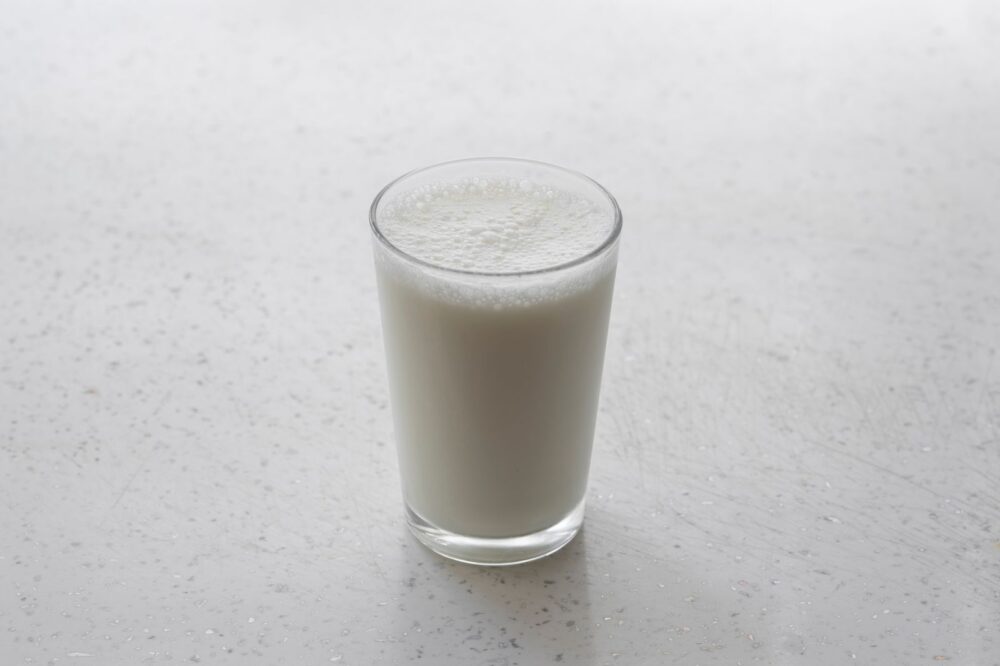
Whey was not invented. It is the liquid left behind when milk is turned into cheese or paneer, so people have produced it for as long as they have made cheese. What changed over time was how people used it.
- Early use: whey was drunk as a simple tonic.
- Industrial era: it became a by-product that cheese factories struggled to get rid of.
- Modern era: new filtering and drying methods turned it into a protein powder.
So when people ask who invented whey protein powder, the honest answer is that it came from many dairy scientists and manufacturers improving the process step by step, not from one inventor. If you are new to the topic, our guide on what whey protein is covers the basics.
Whey in Ancient and Early Modern Times
Old texts and later writers often say that Greek physicians, including Hippocrates, recommended whey as a drink for health. These stories are hard to check in detail, but they show that whey has been used as a food for a very long time.
In the 18th and 19th centuries, “whey cures” became popular in parts of Europe, especially in Switzerland and the Alpine region. Visitors went to spa towns to drink fresh whey as part of a rest cure. These spas were more about tradition and fresh air than science, and the claims made for whey at the time would not meet today’s standards.
From Waste Product to Animal Feed
As cheese making grew into a factory industry, whey became a problem. Large dairies produced far more liquid whey than anyone wanted to drink. For a long time much of it was:
- fed to pigs and other farm animals;
- spread on fields; or
- simply discharged as waste.
Liquid whey spoils quickly and is mostly water, which made it hard to store or transport. To learn how whey separates from curds in the first place, read our explainer on curds and whey.
The Rise of Protein Powder in the 20th Century
Strongmen and physical culture enthusiasts in the late 1800s and early 1900s relied on everyday high-protein foods such as milk, eggs and meat. Packaged protein supplements started to appear in the mid-20th century, when bodybuilding and weightlifting magazines began promoting them to readers.
Many of these early powders were made from milk, eggs or soy. Mixability and taste were often poor, and the choice was limited compared with today.
How Modern Filtration Changed Whey
The big turning point came with membrane filtration. From around the 1970s onwards, dairies increasingly used methods such as ultrafiltration and microfiltration to separate whey protein from much of the lactose, fat and water. Spray drying then turned the liquid into a stable powder.
This made it possible to produce the main types of whey you see today:
| Type | What it is | Typical use |
|---|---|---|
| Whey concentrate | Filtered whey with some lactose and fat left in | Everyday protein shakes |
| Whey isolate | Filtered further to remove more lactose and fat | People who want a leaner, higher-protein powder |
| Whey hydrolysate | Whey that has been partly broken down | Specialist and premium products |
You can compare options in our whey concentrate range and our whey isolate range. Exact protein content varies by brand, so always read the label.
What This History Means When You Buy Whey Today
Knowing where whey comes from helps you shop more carefully:
- It is a dairy product. If you have a milk allergy, whey is not suitable. If you are lactose intolerant, an isolate may be easier to tolerate, but check with a doctor.
- Processing matters. Concentrate, isolate and hydrolysate differ in protein, lactose and price.
- Labels tell the story. Look at protein per serving, the ingredient list, added sugar and the FSSAI licence for products sold in India.
- Food still comes first. Whey is a convenient way to add protein, not a replacement for a balanced diet.
Follow the label directions and consult a doctor if you have a medical condition, are pregnant or take medication.
Frequently Asked Questions
When was whey protein powder invented?
There is no single date. Dried whey has existed for a long time, but high-protein whey concentrates and isolates became widely available after membrane filtration was adopted by the dairy industry in the later 20th century.
Is whey protein natural?
Whey itself comes naturally from milk during cheese making. Protein powders are processed foods, and many contain added flavours, sweeteners and other ingredients, so read the ingredient list.
Was whey always used for bodybuilding?
No. For most of its history whey was a drink, animal feed or waste product. Its link with bodybuilding grew alongside the protein supplement market in the 20th century.

Authenticity Guarantee: Beast Nutrition is an authorized retailer for 100% genuine supplements with official importer tags, batch verification, and FSSAI compliance.
Disclaimer: This content is for informational and educational purposes only. Always consult a physician or certified dietitian before starting any new supplement regimen.
Keep reading
Supplement guides Buying guides & reviews Protein & whey
Synthetic Whey Protein: What It Is and How It Compares
Is whey protein synthetic? Learn how regular whey is made, what animal-free "synthetic" whey is, how the two
Read articleSupplement guides Beginner guides Creatine
Should I Take Creatine on Rest Days? A Simple Guide
Should I take creatine on rest days? Yes, most people take it daily. Learn why, how to take
Read articleSupplement guides Protein & whey
Absorbable Protein: What Makes Protein Easy to Absorb?
What does absorbable protein really mean? Learn how protein is digested, how PDCAAS and DIAAS measure quality, and
Read article