

SUPPLEMENT GUIDES
Creatine Myths and Facts: What Is True and What Isn’t
Creatine myths are everywhere: that it is a steroid, that you must load it, that it gives instant energy before a workout, or that pricey new forms work far better. In reality, creatine is a natural compound, one of the most widely researched sports supplements, and most of the confusion comes from marketing and gym folklore. Here are the most common claims and what is actually true.
This article updates an older piece that set out to separate creatine facts from hype. We have kept its myth-busting angle but corrected points that were overstated.
What Is Creatine?
Creatine is a compound your body makes on its own from amino acids, mainly in the liver and kidneys. It is also found in foods such as meat and fish. Most of it is stored in your muscles, where it helps recycle the energy used during short, intense efforts like lifting or sprinting.
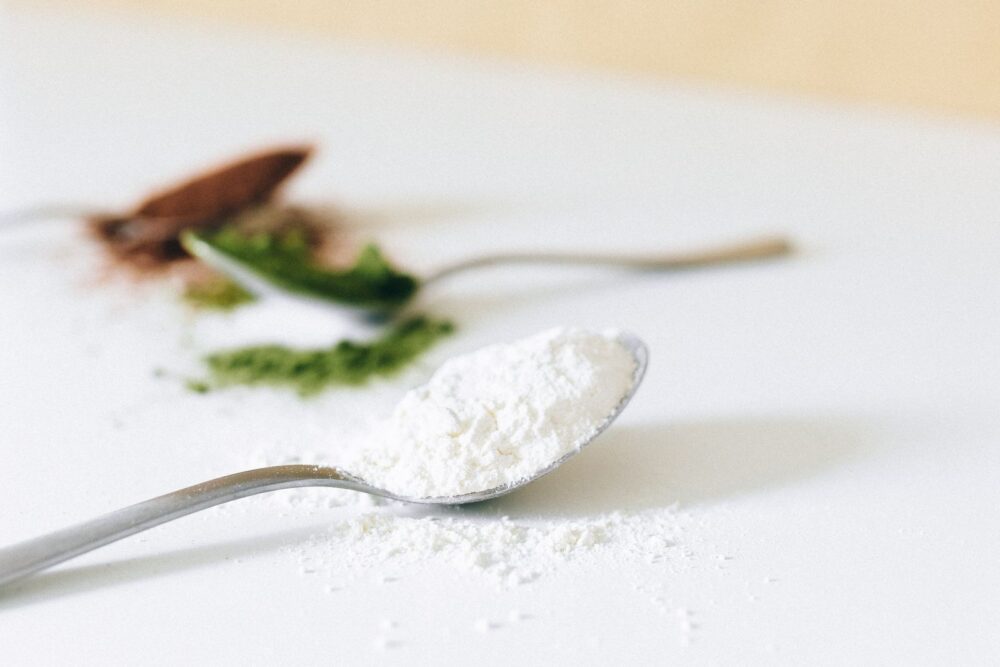
As a supplement, the most common and most studied form is creatine monohydrate, a simple white powder. You can browse different options in our creatine range.
Common Creatine Myths and Facts
Myth 1: Creatine is a steroid
Fact: Creatine is not a steroid or a hormone. It is a naturally occurring compound found in food and made by your own body. Steroids are a completely different class of substances.
Myth 2: You must do a loading phase
Fact: Loading (taking larger amounts for the first few days) fills your muscle stores faster, but it is not required. Taking a regular daily serving fills them more gradually and reaches a similar point over a few weeks. Follow the directions on your product label.
Myth 3: Creatine gives you an instant energy boost
Fact: Creatine is not a stimulant. It works by gradually raising the stores in your muscles over days and weeks of consistent use, so a single scoop just before training will not make you feel energised like caffeine might. Consistency matters more than timing. Our guide on how to take creatine covers this in more detail.
Myth 4: Creatine has no side effects at all
Fact: The original article claimed there were no side effects whatsoever. That goes too far. Many people use creatine without problems, but some notice stomach discomfort, especially with large single servings, and most people see a small rise in scale weight because creatine draws water into the muscles. People with kidney problems or other medical conditions should speak to a doctor before using it.
Myth 5: Creatine causes dehydration and cramps
Fact: This is a long-standing gym belief, but research has not shown creatine to be a common cause of cramps or dehydration in healthy people. Drinking enough water is still sensible for anyone who trains hard. Our water intake calculator gives you a rough daily target.
Myth 6: Expensive new forms always work better
Fact: Many newer forms of creatine are marketed as better absorbed or needing smaller servings. Some people prefer them, for example if they find monohydrate upsets their stomach, but creatine monohydrate remains the form with the most research behind it. Read our explainer on how creatine HCl compares if you are weighing up options.
Myth 7: Creatine is only for bodybuilders
Fact: Creatine is used by people in many sports that involve repeated short bursts of effort, such as sprinting, football, cricket, combat sports and weight training. It is less relevant for steady, long-distance endurance work.
Quick Summary Table
| Claim | Verdict |
|---|---|
| Creatine is a steroid | False |
| Loading is required | False: optional |
| It works instantly before a workout | False: it builds up over time |
| It has zero side effects | Overstated: some people get stomach upset or water weight |
| It causes cramps and dehydration | Not supported by research in healthy people |
| Fancy forms are always better | Not proven: monohydrate is the most studied |
Who Should Be Careful With Creatine?
Creatine is widely used by healthy adults, but it is not right for everyone. Speak to a doctor before using it if you:
- Have kidney or liver problems
- Have diabetes or another long-term condition
- Take regular medication
- Are pregnant or breastfeeding
- Are under 18
For a balanced summary of the research, the US National Institutes of Health publishes a fact sheet on dietary supplements for exercise and athletic performance.
Frequently Asked Questions
Does creatine make you gain fat?
Creatine itself contains no calories worth counting. The small rise in scale weight many people see is usually water held in the muscles, not fat.
Do I need to cycle off creatine?
There is no clear need to cycle creatine for most healthy adults. Follow the directions on your product label and check with a doctor if you have any health concerns.
Can I mix creatine with protein or coffee?
Many people mix creatine into a protein shake, juice or water for convenience. Follow the label, and ask a doctor if you have concerns about combining it with caffeine.

Authenticity Guarantee: Beast Nutrition is an authorized retailer for 100% genuine supplements with official importer tags, batch verification, and FSSAI compliance.
Disclaimer: This content is for informational and educational purposes only. Always consult a physician or certified dietitian before starting any new supplement regimen.
Keep reading
SUPPLEMENT GUIDES
Natural Protein Powder: How to Read the Label
What does natural protein powder really mean? Learn how to read the label, compare whey and plant options,
Read articleSUPPLEMENT GUIDES
Best Whey Protein Brands: How to Judge a Brand
Looking for the best whey protein brands? Learn how to judge any brand by its label, whey type,
Read articleSUPPLEMENT GUIDES
Plant Protein vs Whey Protein: Which Should You Pick?
Plant protein vs whey protein: compare sources, lactose, amino acids, taste and diet fit to choose the right
Read article