SUPPLEMENT GUIDES
Natural Protein Powder: How to Read the Label
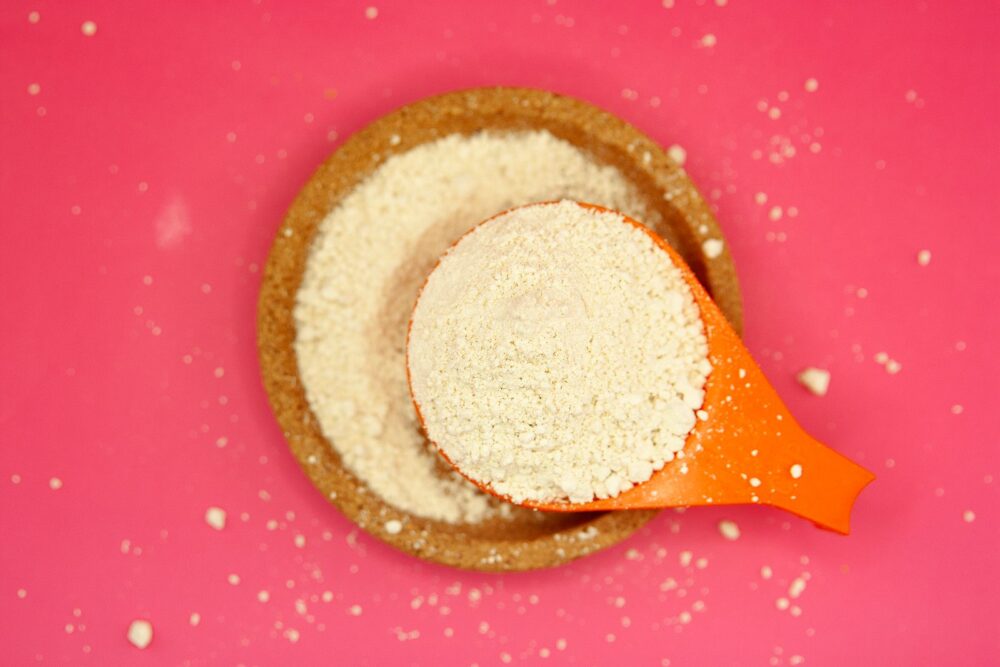
- “Natural” has no single legal definition: judge a protein powder by its ingredient list, not the word on the front.
- Shorter is clearer: a natural protein powder usually lists the protein source first and only a few other ingredients.
- Check sweeteners and flavours: labels must name them, so read past the marketing.
- Verify authenticity: look for the FSSAI licence number, batch number, expiry date and an intact seal.
More shoppers now ask for a natural protein powder: something with a short ingredient list, no artificial colours and no mystery additives. The trouble is that “natural” on a tub can mean very different things from one brand to the next. This guide explains what the term usually covers, how to read a label so you know what you are buying, and how to pick a powder that suits your diet and taste.
What Does “Natural Protein Powder” Mean?
There is no single, universal standard that a powder must meet before it can be sold as “natural”. In practice, brands use the word to signal some combination of the following:
- No artificial sweeteners, or sweetened only with options such as stevia or monk fruit
- No artificial colours
- Natural flavours, or no added flavour at all (unflavoured)
- A short ingredient list with few thickeners, fillers or blends
Because the word is loose, the only reliable way to know what is inside is the ingredient list and nutrition panel. Treat “natural” as a prompt to read the label, not as proof of anything on its own.
Reading the Label: What to Check in a Natural Protein Powder
Turn the tub around and work through the label in this order:
- Protein source first. Ingredients are listed by quantity, so the protein (for example whey protein concentrate, whey isolate or pea protein) should come first.
- Protein per serving and serving size. Compare grams of protein per scoop, and check the scoop size in grams so you can compare tubs fairly.
- Sweeteners. Look for the names of any sweeteners used. If you want none, choose an unflavoured powder.
- Flavours and colours. Labels state whether flavours are natural, nature-identical or artificial.
- Added extras. Thickeners, gums, added amino acids and enzyme blends are not necessarily a problem, but each one makes the list longer.
- Allergen information. Check for milk, soy or other allergens that matter to you.
If you want the simplest whey possible, our guide to raw whey proteins explains what unflavoured, minimally processed whey is and how to choose one.
Natural Whey vs Natural Plant Protein
A natural protein powder can come from milk or from plants, and each has its own trade-offs.
- Whey comes from milk and is sold mainly as concentrate or isolate. Isolate usually carries less fat and lactose per serving; concentrate is often more affordable.
- Plant protein is made from sources such as pea, rice, soy or a blend. It suits people who avoid dairy, though taste and texture differ between products.
To understand the two main whey types in more depth, read whey concentrate vs whey isolate. Either way, the label checks above apply to both.
Unflavoured or Naturally Flavoured?
Unflavoured powders have the shortest labels, but they taste of the protein itself, so most people mix them into something. A few practical ideas:
- Blend into a smoothie with fruit, milk or curd
- Stir into oats or porridge after cooking
- Mix with a little cocoa powder and milk for a simple homemade flavour
Naturally flavoured powders are easier to drink with water but include extra ingredients. Choose based on how you will actually use the powder day to day.
How Much Protein Do You Need From a Powder?
A protein powder is a convenient way to add protein to your diet, not a replacement for meals. How much you need depends on your body weight, activity level and the rest of your diet. Our article how much protein do I really need covers the basics, and the calculator below can help you see how a scoop fits into your daily intake. If you have a medical condition, speak to a doctor or registered dietitian before adding supplements.
Buying a Genuine Natural Protein Powder in India
A clean label only helps if the product is genuine. Before buying, check that the tub shows an FSSAI licence number, importer details for imported products, a batch number and expiry date, and an intact seal. You can look up an FSSAI licence on the official FoSCoS portal. Read how we source our stock on our authenticity at Beast Nutrition page, then compare labels across our protein powder range.
Frequently Asked Questions
Is a natural protein powder better than a regular one?
Not automatically. “Natural” describes how a powder is made and flavoured, not how much protein it delivers. Compare protein per serving and the full ingredient list to decide what suits you.
Does unflavoured protein powder have any sweetener?
Usually not, but always confirm on the ingredient list, since some products add small amounts of flavouring or sweetener.
Can I cook with a natural protein powder?
Many people stir unflavoured powders into oats, pancakes or baked snacks. Follow the usage directions on the label for the specific product.
A natural protein powder is easiest to choose when you ignore the front of the tub and read the back: protein source first, a short list of ingredients, clear sweetener and flavour details, and proof that the product is genuine.

Authenticity Guarantee: Beast Nutrition is an authorized retailer for 100% genuine supplements with official importer tags, batch verification, and FSSAI compliance.
Disclaimer: This content is for informational and educational purposes only. Always consult a physician or certified dietitian before starting any new supplement regimen.
Keep reading
SUPPLEMENT GUIDES
Best Whey Protein Brands: How to Judge a Brand
Looking for the best whey protein brands? Learn how to judge any brand by its label, whey type,
Read articleSUPPLEMENT GUIDES
Plant Protein vs Whey Protein: Which Should You Pick?
Plant protein vs whey protein: compare sources, lactose, amino acids, taste and diet fit to choose the right
Read articleSUPPLEMENT GUIDES
Water With Protein: Mixing Whey With Water or Milk
Should you mix protein with water or milk? Learn what water with protein means, how it compares to
Read article