Supplement guides, Buying guides & reviews, Protein & whey, Weight loss & fat loss, Women's health & fitness
Protein Powder for Women Weight Loss: How to Choose
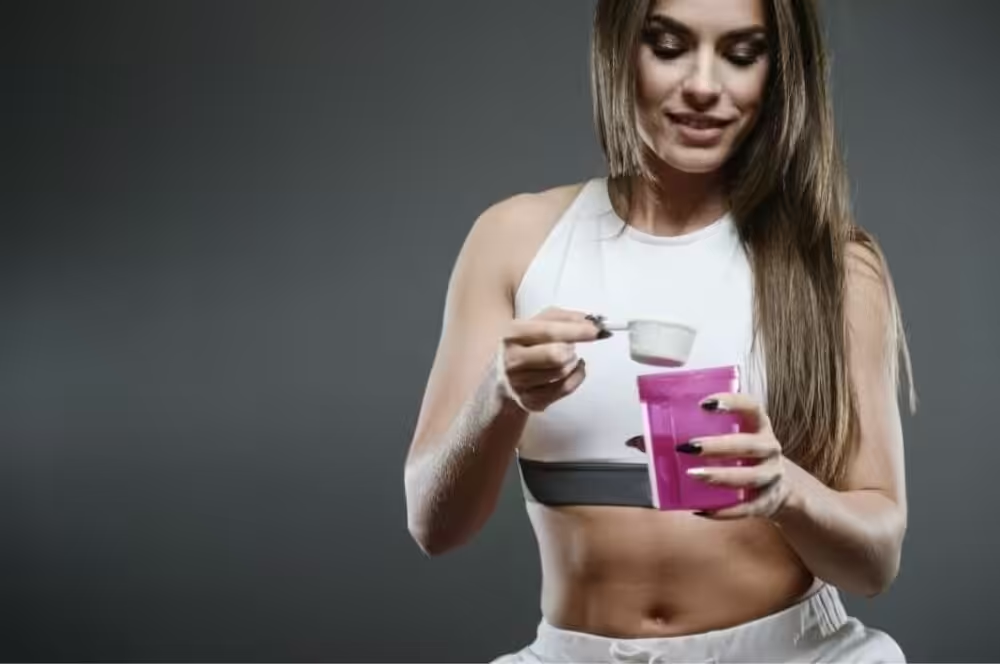
The best protein powder for women weight loss is one that gives you a good amount of protein per serving without many extra calories or added sugar, sits well with your digestion, and fits a diet you can actually keep up. There is no special formula that only works for women. What matters is reading the label, choosing a protein type that suits you, and using the shake to fill a gap in your diet rather than replace real meals.
This guide explains how protein powder can fit into a weight loss plan, how to compare products, and who should check with a doctor first.
Can Protein Powder Help Women Lose Weight?
Protein powder does not burn fat on its own. Weight loss comes from eating fewer calories than you use over time, along with regular activity and good sleep. Where a protein shake helps is convenience. Many women find it hard to eat enough protein while cutting calories, especially on busy days or on a vegetarian diet. A shake is a quick, measured way to add protein to breakfast or a snack.
Protein also tends to keep people feeling full, which can make a calorie target easier to stick to. Combined with strength training, getting enough protein helps you hold on to muscle while you lose weight, so more of what you lose comes from fat.
How Much Protein Do Women Need?
Protein needs depend on body weight, age, activity level and health. The ICMR-National Institute of Nutrition sets a recommended intake for healthy Indian adults based on body weight, and people who train regularly often aim for more than the minimum. Pregnant and breastfeeding women have higher needs and should follow their doctor’s advice.
A simple way to plan is to work out your daily calories first and then decide how much of that should come from protein. Our free macro calculator gives you a starting point for protein, carbohydrates and fats based on your details and goal.
How to Choose a Protein Powder for Women Weight Loss
Products marketed “for women” are often standard protein powders with different packaging and a few added vitamins or herbs. You do not need a women-specific label. Compare products on these points instead:
- Protein per serving: Check how many grams of protein each scoop provides and how much of the scoop is actually protein.
- Calories per serving: For weight loss, a lower-calorie powder makes it easier to stay within your daily target. Avoid mass gainers, which are built to add calories.
- Sugar and carbohydrates: Look for products with little added sugar. Some powders use sweeteners instead; choose what suits your taste and tolerance.
- Protein source: Whey concentrate, whey isolate, plant protein or a blend. See the comparison below.
- Added extras: Herbs, “fat burning” blends and extra caffeine add cost and are not needed for a basic protein shake. Read the full ingredient list.
- Authenticity: Buy from an authorised seller and check for an FSSAI licence number, batch number and expiry date on the tub.
Whey, Isolate or Plant Protein: Which Suits You?
| Type | What it is | May suit you if |
|---|---|---|
| Whey concentrate | Milk-based protein with a little more fat and lactose than isolate | You digest dairy well and want good value |
| Whey isolate | Further filtered whey with a higher share of protein per scoop | You want fewer extra calories, or regular whey upsets your stomach |
| Plant protein | Usually pea, rice, soy or a blend of plant sources | You avoid dairy or follow a vegan diet |
| Blends | A mix of two or more protein sources | You want a balance of taste, texture and price |
If you are leaning towards a lean, low-calorie option, browse our whey isolate range or read our guide to isolated whey protein. If you avoid dairy, our guide to choosing a plant protein explains what to look for.
How to Fit a Protein Shake Into Your Day
Think of protein powder as one part of a balanced diet, not the base of it. A few practical ways to use it:
- Add a scoop to breakfast if your usual meal is low in protein, such as poha, upma or toast.
- Use a shake as a mid-morning or evening snack instead of biscuits or fried snacks.
- Have a shake after a workout if your next meal is a few hours away.
- Mix it into oats, curd or a smoothie if you do not enjoy plain shakes.
Most of your protein should still come from food such as dal, paneer, curd, eggs, chicken, fish, soya and sprouts. Mix the powder with water to keep calories lower, or with milk if you want extra protein and do not mind the added calories. Follow the serving directions on the label.
Who Should Check With a Doctor First?
Protein powder is a food supplement, but it is not right for everyone. Speak to a doctor or registered dietitian before using one if you are pregnant or breastfeeding, have kidney or liver problems, a hormonal condition such as PCOS or thyroid disease, diabetes, or a milk or soy allergy, or if you take regular medication. They can tell you how much protein suits you and whether a supplement makes sense.
Frequently Asked Questions
Is there a special protein powder for women?
Not really. Women can use the same whey, isolate or plant protein powders as anyone else. Choose on protein per serving, calories, sugar and ingredients rather than on a women-specific label.
Will protein powder make women bulky?
No. Building a lot of muscle takes years of heavy training and a calorie surplus. A protein shake within a calorie-controlled diet simply helps you meet your protein needs.
When should I drink a protein shake for weight loss?
There is no single best time. Use it where it fits your routine and helps you meet your daily protein target, such as at breakfast, as a snack or after training.
How many protein shakes a day is safe?
Follow the serving size on the label and keep most of your protein coming from regular meals. If you are unsure how much you need, check with a doctor or dietitian.
Ready to compare options? Browse our full protein powder range and use the label checks above to choose one that fits your goal.

Authenticity Guarantee: Beast Nutrition is an authorized retailer for 100% genuine supplements with official importer tags, batch verification, and FSSAI compliance.
Disclaimer: This content is for informational and educational purposes only. Always consult a physician or certified dietitian before starting any new supplement regimen.
Keep reading
Supplement guides Buying guides & reviews Protein & whey
Natural Protein Powder: How to Read the Label
What does natural protein powder really mean? Learn how to read the label, compare whey and plant options,
Read articleSupplement guides Buying guides & reviews Protein & whey
Best Whey Protein Brands: How to Judge a Brand
Looking for the best whey protein brands? Learn how to judge any brand by its label, whey type,
Read articleSupplement guides Buying guides & reviews Protein & whey
Plant Protein vs Whey Protein: Which Should You Pick?
Plant protein vs whey protein: compare sources, lactose, amino acids, taste and diet fit to choose the right
Read article