

Supplement guides, Buying guides & reviews, Protein & whey
Protein Bar Ingredients: What to Look For on the Label
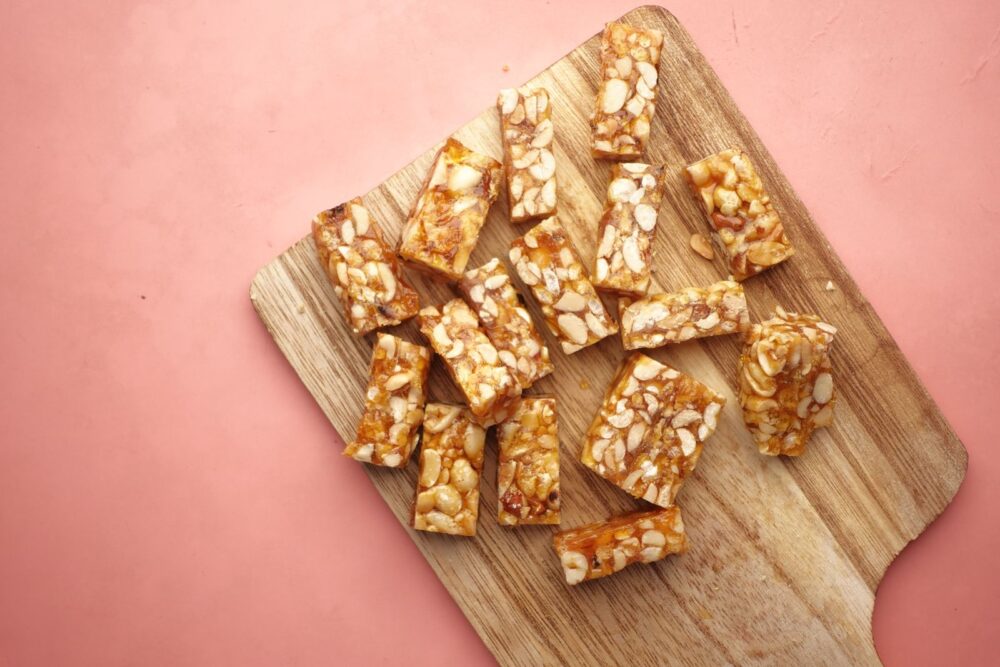
The best protein bar ingredients are easy to spot once you know where to look: a quality protein source near the top of the list, more protein than sugar, some fibre, and a short ingredient list you can understand. Many bars sold as “protein” snacks are closer to sweets, so the nutrition label matters more than the wrapper.
This guide walks through each part of the label so you can compare bars quickly and pick one that fits your goals.
Why Protein Bar Ingredients Matter
A protein bar is a convenient snack between meals, after training or when you are travelling. It can be a better choice than a packet of biscuits or fried snacks, but only if the ingredients back up the name. Some bars add a small amount of protein to what is essentially a chocolate or cereal bar.
Reading the label takes less than a minute and tells you whether a bar is a useful source of protein or just an expensive treat.
1. Check the Protein Source and Amount
Start with the protein line on the nutrition panel and the first few ingredients. Ingredients are listed in order of quantity, so a protein source should appear near the top.
Common protein sources
- Whey protein (concentrate or isolate): a complete milk protein that is widely used in bars.
- Milk protein and casein: also complete, and often used to give a chewier texture.
- Soy, pea or other plant proteins: useful for vegetarians who avoid dairy and vegans; blends of plant proteins help improve the amino acid profile.
- Nuts and seeds: add some protein and healthy fats, but on their own rarely make a bar high in protein.
Compare grams of protein per bar, and check the bar’s weight too. A larger bar may simply have more of everything.
2. Compare Protein With Sugar and Carbohydrates
A useful rule is that protein should be one of the main nutrients in the bar, not an afterthought. If total sugar is close to or higher than protein, the bar is closer to a dessert.
- Added sugar: look for sugar, glucose syrup, corn syrup, invert syrup and honey high up the list.
- Sugar alcohols such as maltitol, sorbitol and erythritol: these sweeten with fewer calories, but large amounts can cause bloating or loose stools in some people.
- Fibre: oats, inulin, chicory root fibre and other fibres help with texture and make the bar more filling.
Carbohydrates are not bad in themselves. If you eat the bar around training, some carbohydrate is useful for energy. Just make sure most of it is not added sugar.
3. Look at the Type of Fat
Fat helps a bar taste good and keeps you full, but the source matters. Nuts, seeds and nut butters are better choices than hydrogenated or partially hydrogenated oils. Palm kernel oil and other saturated fats are common in coatings, so check the saturated fat figure if you eat bars often.
If you are using a bar as a light meal on the go, a moderate amount of fat from whole-food sources makes it more satisfying.
4. Keep the Ingredient List Short
The original version of this article offered a simple test that still works: if a bar’s ingredient list is very long and hard to read, look more closely. Not every unfamiliar name is harmful. Soy lecithin is an emulsifier and glycerine keeps bars soft. But a shorter list built around protein, nuts, oats and fibre usually means fewer fillers.
If you have an allergy or intolerance, read the allergen statement carefully. Milk, soy, nuts, peanuts and gluten are common in protein bars.
Good and Poor Protein Bar Ingredients at a Glance
| Look for | Limit or avoid |
|---|---|
| Whey, milk protein, casein or a plant protein blend near the top | Protein listed far down the ingredient list |
| Protein equal to or higher than sugar | Sugar or syrups as the first ingredients |
| Fibre from oats, inulin or chicory root | Large amounts of sugar alcohols if they upset your stomach |
| Nuts, seeds and nut butters | Hydrogenated or partially hydrogenated oils |
| A short, readable ingredient list | Long lists of fillers, colours and flavourings |
How to Choose the Right Protein Bar for You
Once the ingredients pass the test, match the bar to how you plan to use it:
- Snack between meals: a smaller bar with good protein and fibre keeps hunger in check.
- After training: a bar with protein and some carbohydrate works well if a shake is not practical.
- Weight management: count the bar’s calories in your daily total; our calorie calculator gives you a starting point.
You can compare options in our protein bars range, or try protein cookies for variety. For brand-by-brand picks, see our guide to the best protein bars, and if you are choosing a powder as well, use this protein supplement checklist.
Protein bars are a convenient extra, not a replacement for regular meals. Follow the label and consult a doctor if you have a medical condition.
Protein Bar Ingredients: FAQ
Are protein bars healthy?
It depends on the ingredients. A bar with a good protein source, moderate sugar and some fibre can be a useful snack. Bars high in added sugar and low in protein are closer to sweets.
Which protein is best in a protein bar?
Whey and milk proteins are complete and widely used. Plant protein blends are a good option if you avoid dairy. The best choice depends on your diet and how well you digest each type.
Can I eat a protein bar every day?
Many people do, as part of a balanced diet. Count its calories and sugar in your daily intake and keep most of your protein coming from regular meals.

Authenticity Guarantee: Beast Nutrition is an authorized retailer for 100% genuine supplements with official importer tags, batch verification, and FSSAI compliance.
Disclaimer: This content is for informational and educational purposes only. Always consult a physician or certified dietitian before starting any new supplement regimen.
Keep reading
Supplement guides Buying guides & reviews Protein & whey
Synthetic Whey Protein: What It Is and How It Compares
Is whey protein synthetic? Learn how regular whey is made, what animal-free "synthetic" whey is, how the two
Read articleSupplement guides Beginner guides Creatine
Should I Take Creatine on Rest Days? A Simple Guide
Should I take creatine on rest days? Yes, most people take it daily. Learn why, how to take
Read articleSupplement guides Protein & whey
Absorbable Protein: What Makes Protein Easy to Absorb?
What does absorbable protein really mean? Learn how protein is digested, how PDCAAS and DIAAS measure quality, and
Read article