

Supplement guides, Buying guides & reviews, Protein & whey
Best Protein Bars: How to Choose the Right One
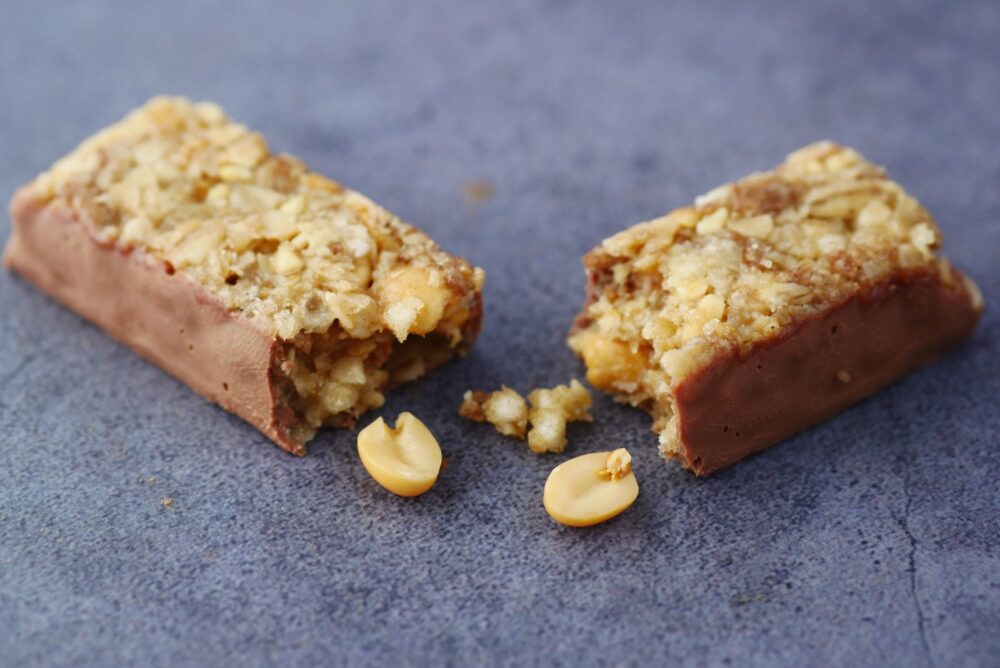
The best protein bars are the ones that give you a useful amount of protein from a quality source, without a lot of added sugar, and that you actually enjoy eating. There is no single “best” bar for everyone: the right choice depends on whether you want a post-workout snack, a meal on the go or a lighter treat.
This guide shows you how to judge a protein bar by its label, how bars compare with shakes, and when a bar makes sense in your day.
What Makes a Good Protein Bar?
A protein bar is a snack bar with added protein, usually from milk proteins, whey, soy or other plant sources. Good bars share a few traits:
- Meaningful protein per bar: enough to make a difference to your daily intake, not just a token amount.
- A clear protein source: the label should say where the protein comes from.
- Sensible sugar: some sweetness is normal, but the bar should not be a chocolate bar in disguise.
- Ingredients you recognise: nuts, oats, dairy proteins and cocoa are easier to understand than long lists of additives.
- Taste and texture you like: a bar you do not enjoy will sit in your bag unused.
How to Read a Protein Bar Label
The front of the pack is marketing. The nutrition panel and ingredients list tell you what you are actually buying.
Protein per bar and protein source
Check the grams of protein per bar and compare it with the bar’s total calories. Then look at the ingredients list to see the protein source. Milk protein, whey and soy are common complete proteins. If you want to understand whey better, see our guide to what whey protein is.
Sugar, sugar alcohols and fibre
Look at the total sugar and any added sugar. Many bars use sugar alcohols (such as maltitol or erythritol) or added fibre to lower the sugar figure. These are fine for many people, but large amounts can upset some stomachs, so try one bar before buying a whole box.
Calories and fats
Some bars are close to a small meal in calories, while others are lighter snacks. Neither is wrong; just choose the type that fits how you plan to use it. Nuts and nut butters add healthy fats but also raise the calorie count.
Vegetarian and allergen information
Check for the green vegetarian mark if that matters to you, and read the allergen statement. Many bars contain milk, soy, nuts or gluten.
Protein Bar vs Protein Shake
Both can help you reach your daily protein target. The difference is mostly about convenience and what else comes with the protein.
| Feature | Protein bar | Protein shake |
|---|---|---|
| Convenience | Ready to eat, no mixing | Needs a shaker and water or milk |
| Calories | Often higher, from carbs and fats | Usually lower per gram of protein |
| Cost per gram of protein | Usually higher | Usually lower |
| Best for | Travel, office, between meals | After training, at home |
If cost per gram of protein matters most, a shake usually wins. Our guide to making a better whey protein shake has simple ideas. Bars earn their place when you need something you can eat anywhere without preparation.
When Protein Bars Make Sense
Protein bars are a handy tool rather than a must-have. They work well:
- On busy days: when you cannot fit in a proper meal or snack.
- While travelling: they need no fridge and survive a bag.
- Between meals: as a more filling option than biscuits or namkeen.
- After training away from home: when you cannot make a shake.
They should not replace regular meals. Whole foods such as dal, paneer, eggs, curd and chicken give you protein along with other nutrients. See our list of high protein foods for everyday options.
Common Mistakes When Buying Protein Bars
- Judging by the front label only: “high protein” claims vary a lot, so always read the nutrition panel.
- Ignoring calories: two or three bars a day can add more calories than you expect.
- Buying a big box untested: try a single bar or a small pack first to check taste and how it suits your stomach.
- Not checking the expiry date: bars can go hard or stale, so buy quantities you will finish in time.
When you are ready to compare options, browse our protein bar range and read each label using the points above.
Frequently Asked Questions
Can I eat a protein bar every day?
Many people do, as part of a balanced diet. Count it towards your daily calories and protein, and make sure most of your protein still comes from regular meals.
Are protein bars good for weight loss?
A bar can be a filling snack, but it still has calories. Whether it fits depends on your overall diet. A tool like our macro calculator can help you plan your daily targets.
Is a protein bar better before or after a workout?
Either can work. Many people prefer a lighter snack before training and a bar or shake afterwards. Choose what feels comfortable for you.

Authenticity Guarantee: Beast Nutrition is an authorized retailer for 100% genuine supplements with official importer tags, batch verification, and FSSAI compliance.
Disclaimer: This content is for informational and educational purposes only. Always consult a physician or certified dietitian before starting any new supplement regimen.
Keep reading
Supplement guides Buying guides & reviews Protein & whey
Synthetic Whey Protein: What It Is and How It Compares
Is whey protein synthetic? Learn how regular whey is made, what animal-free "synthetic" whey is, how the two
Read articleSupplement guides Beginner guides Creatine
Should I Take Creatine on Rest Days? A Simple Guide
Should I take creatine on rest days? Yes, most people take it daily. Learn why, how to take
Read articleSupplement guides Protein & whey
Absorbable Protein: What Makes Protein Easy to Absorb?
What does absorbable protein really mean? Learn how protein is digested, how PDCAAS and DIAAS measure quality, and
Read article