
Supplement guides, Diet & nutrition
Clean Keto vs Dirty Keto: What Is the Difference?
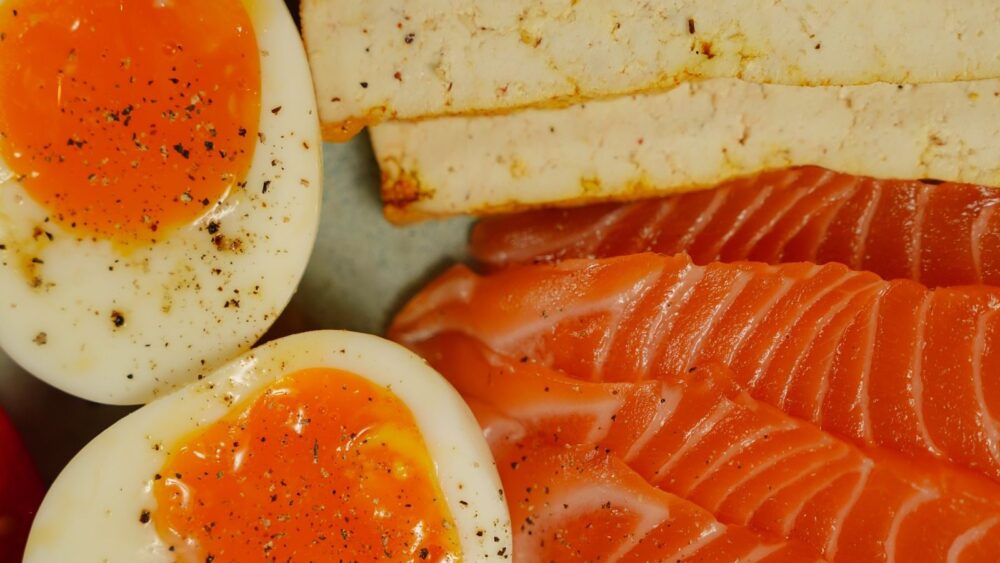
The difference between clean keto vs dirty keto comes down to food quality. Both follow the same very low-carb, high-fat pattern, but clean keto builds meals from whole, minimally processed foods, while dirty keto hits the same carb limit using fast food, processed meats and packaged snacks. The macros can look identical on paper, yet the diets are very different on your plate.
This guide explains what each style looks like, why food quality still matters on keto, and how to keep a keto diet cleaner without making it complicated.
What Is a Keto Diet?
A ketogenic (keto) diet keeps carbohydrates very low, protein moderate and fat high. With little carbohydrate available, the body produces more ketones from fat and uses them as a fuel source. This state is called ketosis.
A diet name alone does not tell you how good the food is. You can follow keto “to the letter” on carbs and still eat poorly, which is the point the original version of this article made, and it still holds today.
What Is Clean Keto?
Clean keto focuses on whole foods that fit the low-carb pattern. Typical choices include:
- Protein: eggs, fish, chicken, paneer, curd and other minimally processed sources.
- Vegetables: leafy greens, cauliflower, cabbage, capsicum, broccoli and other low-starch vegetables, in a variety of colours.
- Fats: olive oil, mustard oil, ghee in moderation, nuts, seeds and avocado.
- Drinks: water first, with plain tea or coffee if you like them.
The aim is the same carb limit, reached with foods that also bring fibre, vitamins and minerals. For ideas that fit this style, see our low carb snacks guide.
What Is Dirty Keto?
Dirty keto, sometimes called “lazy keto”, only counts carbs. Anything low enough in carbohydrate is allowed, which often means:
- bunless fast-food burgers and fried items;
- processed meats such as sausages and salami;
- packaged “keto” snacks with long ingredient lists;
- diet drinks in place of water;
- very few vegetables.
People choose it because it is convenient and easy to follow when eating out. The trade-off is that meals tend to be low in fibre and micronutrients and high in salt and heavily processed fats.
Clean Keto vs Dirty Keto: Side by Side
| Clean keto | Dirty keto | |
|---|---|---|
| Main rule | Low carb, whole foods | Low carb, any source |
| Vegetables | Plenty, varied | Often very few |
| Fibre | Higher | Usually low |
| Processed food | Kept to a minimum | Common |
| Convenience | Needs more planning | Easy when eating out |
Most people end up somewhere in between. A practical goal is to make clean choices the default and treat the convenient options as occasional. For example, if you eat out at lunch, choose grilled chicken or paneer with a side salad over fried items, and keep home-cooked dinners built around vegetables. Small, repeatable swaps like these do more than chasing a perfect plan you cannot keep up for long.
How to Keep Your Keto Diet Clean
Build each meal around protein and vegetables
Start with a protein source, add one or two low-starch vegetables, then add fat for cooking and flavour. This keeps meals filling without relying on processed food. Our guide on how much protein you need can help you set a sensible target.
Read labels on “keto” products
A product marked keto is not automatically a good choice. Check the ingredients list, the serving size and the total and added sugar. Shorter, recognisable ingredient lists are usually a better sign.
Use supplements to fill gaps, not to replace food
Some people on keto use a low-carb protein powder, such as a whey isolate, when meals fall short on protein, or an omega-3 supplement if they eat little fish. Check the carbohydrate content per serving on the label first.
Stay hydrated and plan your numbers
Drink water through the day. If you want to see your calorie, protein, carb and fat targets laid out, try our free macro calculator.
Is Keto Right for You?
Keto is one way of eating among many. It suits some people and not others, and it is not required to lose fat or build muscle. A very low-carb diet can also affect training energy, especially for high-intensity sport. If you have a medical condition such as diabetes or a kidney or heart condition, are pregnant, or take regular medication, speak to a doctor before starting keto.
Frequently Asked Questions
Can you lose weight on dirty keto?
Some people do, because total calories and carbs drop. But food quality affects how full you feel and how sustainable the diet is, so a cleaner approach is usually easier to keep up.
Is ghee allowed on clean keto?
Ghee fits the keto pattern and is common in Indian cooking. Use it in moderation and balance it with other fats such as olive or mustard oil, nuts and seeds.
Can I take whey protein on keto?
Many people do. Choose a powder with low carbs per serving, such as an isolate, and count it in your daily totals.

Authenticity Guarantee: Beast Nutrition is an authorized retailer for 100% genuine supplements with official importer tags, batch verification, and FSSAI compliance.
Disclaimer: This content is for informational and educational purposes only. Always consult a physician or certified dietitian before starting any new supplement regimen.
Keep reading
Supplement guides Buying guides & reviews Protein & whey
Synthetic Whey Protein: What It Is and How It Compares
Is whey protein synthetic? Learn how regular whey is made, what animal-free "synthetic" whey is, how the two
Read articleSupplement guides Beginner guides Creatine
Should I Take Creatine on Rest Days? A Simple Guide
Should I take creatine on rest days? Yes, most people take it daily. Learn why, how to take
Read articleSupplement guides Protein & whey
Absorbable Protein: What Makes Protein Easy to Absorb?
What does absorbable protein really mean? Learn how protein is digested, how PDCAAS and DIAAS measure quality, and
Read article