Supplement guides, Protein & whey
Whey Isolate vs Concentrate: Which Should You Choose?
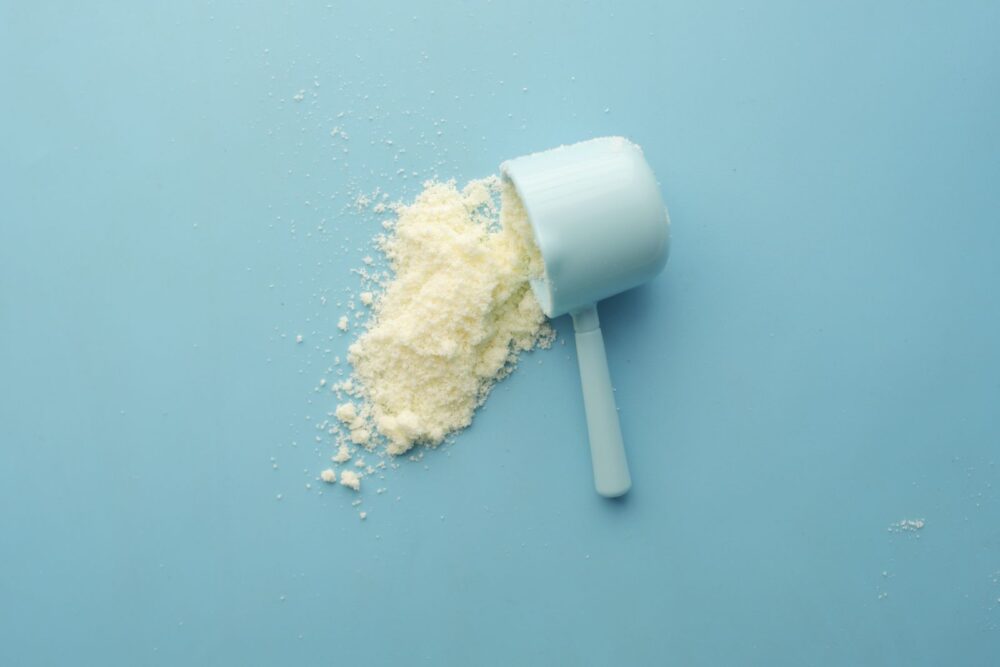
In the whey isolate vs concentrate debate, the short answer is that both are high-quality milk proteins. Whey isolate is filtered further, so it has a higher share of protein and less fat and lactose per scoop. Whey concentrate keeps a little more of milk’s natural fat and carbohydrate, usually tastes creamier and costs less. The better choice depends on your goals, your budget and how well your stomach handles lactose.
This guide explains how the two are made, how they compare on the label, and how to decide which one suits you.
What Whey Protein Is and How It Is Made
Milk contains two main proteins: casein and whey. When milk is turned into cheese or paneer, the casein forms the curd and the liquid left behind is whey. That liquid contains protein along with lactose (milk sugar), fat and minerals.
To make whey protein powder, manufacturers filter this liquid to separate the protein from most of the water, lactose and fat, then dry it into a powder. How far the filtering goes decides whether you end up with a concentrate or an isolate.
Whey is a complete protein, which means it provides all nine essential amino acids, and it is naturally rich in the branched-chain amino acid leucine. Both concentrate and isolate share these qualities.
Whey Isolate vs Concentrate: The Key Differences
The main difference is purity. Concentrate is filtered less, so its protein content varies more between products and it carries a little more fat and lactose. Isolate goes through extra filtration, so most of the remaining fat and lactose is removed and protein makes up a larger share of each scoop.
| Factor | Whey concentrate | Whey isolate |
|---|---|---|
| Processing | Filtered less | Filtered further |
| Protein per scoop | Good, varies more by product | Higher share of protein |
| Fat and carbohydrate | A little more | Very little |
| Lactose | More | Much less |
| Taste and texture | Creamier, milkier | Lighter, thinner |
| Price | Usually lower | Usually higher |
Always check the nutrition panel rather than relying on the name. Look at grams of protein per serving and the serving size, so you can compare products fairly.
Who Should Choose Whey Concentrate
A whey concentrate is a sensible default for many people. It suits you if:
- you want good-quality protein at a lower cost per serving;
- you digest milk and dairy without trouble;
- you are not tracking every gram of fat or carbohydrate;
- you prefer a creamier, milkier shake.
If you are trying to gain weight or are simply topping up daily protein, the small amount of extra fat and carbohydrate in concentrate is rarely a concern. Our guide to whey protein concentrate covers it in more detail.
Who Should Choose Whey Isolate
A whey isolate is worth the extra cost if:
- regular milk makes you feel bloated, because isolate contains much less lactose;
- you are cutting and want the most protein for the fewest extra calories;
- you track macros closely and want a cleaner label;
- you prefer a lighter shake that mixes easily with water.
Isolate is low in lactose, not always lactose-free. If you have a diagnosed milk allergy or severe lactose intolerance, speak to a doctor before using any whey product. You can read more about isolate in our isolated whey protein guide.
How Much Protein Do You Actually Need?
The original version of this article pointed out a common mistake that still holds true: some gym advice suggests eating far more protein than the body can use. Extra protein beyond your needs simply adds calories and cost.
Your requirement depends on body weight, activity level and goals. A quick way to get a personal estimate is our free macro calculator. Most of your protein should come from regular meals such as dal, paneer, curd, eggs, chicken or fish. A whey shake is a convenient way to fill the gap on busy days, whichever type you pick.
Tips for Buying Whey Protein
- Compare protein per serving, not just the claim on the front of the pack.
- Read the ingredient list for added sugar, fillers and blends if you want a pure product.
- Check authenticity: look for an intact seal, batch number, expiry date and FSSAI licence number, and buy from an authorised seller.
- Be wary of hype: no powder will add kilos of muscle in weeks. Training, total diet and sleep do the heavy lifting.
- Follow the label for serving size, and consult a doctor if you have a medical condition.
Whey Isolate vs Concentrate: FAQ
Is whey isolate better than concentrate for muscle gain?
Not necessarily. Both provide complete protein. What matters most is your total daily protein, your training and your overall diet. Isolate mainly helps if you want fewer extra calories or less lactose.
Is whey isolate good for lactose intolerance?
Many people who feel bloated after milk find isolate easier to digest because it contains much less lactose. It is not always lactose-free, so check the label and ask a doctor if your intolerance is severe.
Why is whey isolate more expensive?
It goes through extra filtration to remove more fat and lactose, which adds processing cost.
Can I take whey concentrate while cutting?
Yes. The extra fat and carbohydrate per scoop is small, so concentrate can fit a fat-loss diet as long as your total calories are in check.

Authenticity Guarantee: Beast Nutrition is an authorized retailer for 100% genuine supplements with official importer tags, batch verification, and FSSAI compliance.
Disclaimer: This content is for informational and educational purposes only. Always consult a physician or certified dietitian before starting any new supplement regimen.
Keep reading
Supplement guides Buying guides & reviews Protein & whey
Synthetic Whey Protein: What It Is and How It Compares
Is whey protein synthetic? Learn how regular whey is made, what animal-free "synthetic" whey is, how the two
Read articleSupplement guides Beginner guides Creatine
Should I Take Creatine on Rest Days? A Simple Guide
Should I take creatine on rest days? Yes, most people take it daily. Learn why, how to take
Read articleSupplement guides Protein & whey
Absorbable Protein: What Makes Protein Easy to Absorb?
What does absorbable protein really mean? Learn how protein is digested, how PDCAAS and DIAAS measure quality, and
Read article