

Supplement guides, Buying guides & reviews, Protein & whey
Best Protein Powder: How to Pick One That Suits You
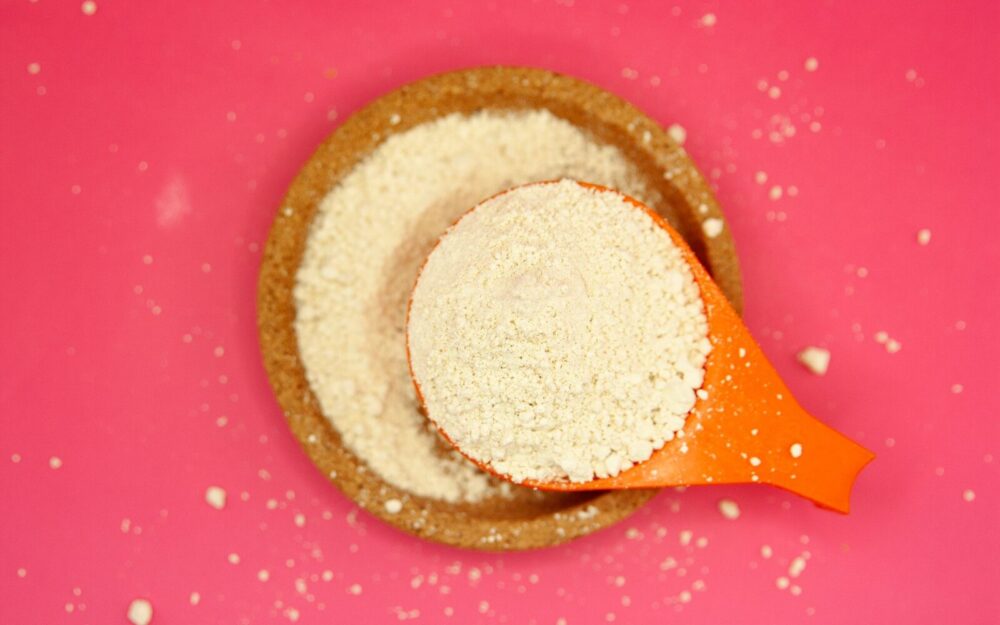
The best protein powder is the one that fits your goal, your diet and your stomach, and that you will actually use every day. There is no single winner for everyone: a lean whey isolate suits one person, while a plant blend or a budget-friendly concentrate suits another.
This guide explains how to judge a protein powder by its type, its label and your own needs, so you can choose with confidence instead of guessing.
What Makes the Best Protein Powder for You?
Before comparing brands, be clear about why you want a protein powder. Most people use one for convenience: it is a quick way to add protein to a day that falls short on meals. With that in mind, a good protein powder usually has:
- A clear protein source: the label says exactly what the protein is, such as whey concentrate, whey isolate, casein, soy or pea.
- A useful amount of protein per scoop: compare grams of protein with the total scoop size and calories.
- A short, readable ingredients list: fewer fillers and a disclosed formula are easier to trust.
- A taste and texture you like: the best powder on paper is useless if it sits unopened in the cupboard.
- A price you can sustain: you will use it daily for weeks, so the cost per serving matters more than the tub price.
Best Protein Powder by Goal
Your goal changes which features matter most. Use these as starting points, not strict rules.
Building muscle
If you train regularly and want to build muscle, whey protein is the most common choice because it is a complete protein that mixes easily and digests quickly. Whey concentrate is a good all-rounder, while an isolated whey protein has more protein per scoop and less lactose. Protein powder supports your training and diet; it does not replace them.
Managing weight
When you are watching calories, look for a powder with a high share of protein per scoop and low added sugar. An isolate or a lean concentrate mixed with water is lighter than a mass gainer, which is built to add calories rather than cut them.
Sensitive to lactose
Whey isolate and hydrolysed whey contain less lactose than concentrate, so some people find them easier to digest. If dairy does not suit you at all, a plant protein is the simpler option.
Vegetarian or vegan
Most whey is suitable for vegetarians, but vegans need a plant protein. Pea, rice and soy blends are common. If you are deciding between the two, our comparison of plant protein vs whey protein covers the trade-offs.
Whey, Casein, Plant and Blends Compared
Here is a quick comparison of the main types of protein powder.
| Type | Digestion | Best suited to | Things to note |
|---|---|---|---|
| Whey concentrate | Fast | Everyday use, post-workout | Contains some lactose and fat |
| Whey isolate | Fast | Lean goals, lactose sensitivity | Usually costs more |
| Casein | Slow | Longer gaps between meals | Thicker texture |
| Plant protein | Moderate | Vegan diets, dairy-free | Taste and texture vary by brand |
| Protein blend | Mixed | People who want fast and slow protein | Check that amounts are disclosed |
How to Read a Protein Powder Label
The front of the tub is marketing. The nutrition panel and ingredients list tell you what you are buying.
- Protein per serving: check grams of protein and the scoop size in grams. A higher protein share means less room for fillers.
- Ingredients order: ingredients are listed by weight, so the protein source should come first.
- Added sugar and calories: important if you are managing weight.
- Proprietary blends: a blend that hides the amount of each ingredient makes it harder to know what you are getting.
- Allergens: look for milk, soy, gluten or nut warnings if they matter to you.
- Batch, expiry and seal: buy from an authorised seller and check that the seal is intact.
Always follow the label for serving size, and speak to a doctor first if you have a medical condition, are pregnant or take regular medication.
Should You Stick to One Brand?
You do not need to rotate protein powders for them to keep working, but trying a couple of options is a sensible way to find the taste, mixability and price that suit you. Start with a smaller pack when you try a new flavour, then buy a bigger tub once you know you like it.
Brand reputation also matters. Our guide on how to judge a whey protein brand explains what to look for beyond the label. When you are ready to compare options, browse our protein powder range.
Using Protein Powder in Your Day
A protein powder works best as one part of a balanced diet. Many people take a shake after training or use it to boost a light breakfast. You can also stir it into oats, curd or a smoothie. Work out how much protein you need overall first: a tool like our macro calculator can help you set daily targets, and food should still provide most of your protein.
Frequently Asked Questions
Which protein powder is best for beginners?
A whey concentrate or isolate from an established brand is a simple place to start for most people who eat dairy. Choose a flavour you like and follow the serving size on the label.
Is a more expensive protein powder always better?
No. Price often reflects the protein type, brand and packaging. Compare protein per serving and cost per serving rather than the tub price alone.
Can I take protein powder without working out?
Yes, if it helps you reach your daily protein needs from a balanced diet. It is a food supplement, not a requirement, so count its calories like any other food.
Is plant protein as good as whey?
Plant proteins can meet your needs, especially as blends of different sources. Whey digests quickly and has a strong amino acid profile, but the best choice depends on your diet and preferences.

Authenticity Guarantee: Beast Nutrition is an authorized retailer for 100% genuine supplements with official importer tags, batch verification, and FSSAI compliance.
Disclaimer: This content is for informational and educational purposes only. Always consult a physician or certified dietitian before starting any new supplement regimen.
Keep reading
Supplement guides Buying guides & reviews Protein & whey
Synthetic Whey Protein: What It Is and How It Compares
Is whey protein synthetic? Learn how regular whey is made, what animal-free "synthetic" whey is, how the two
Read articleSupplement guides Beginner guides Creatine
Should I Take Creatine on Rest Days? A Simple Guide
Should I take creatine on rest days? Yes, most people take it daily. Learn why, how to take
Read articleSupplement guides Protein & whey
Absorbable Protein: What Makes Protein Easy to Absorb?
What does absorbable protein really mean? Learn how protein is digested, how PDCAAS and DIAAS measure quality, and
Read article