Supplement guides, Buying guides & reviews, Diet & nutrition, Vitamins & wellness
Vegan B12 Supplement: How to Choose the Right One
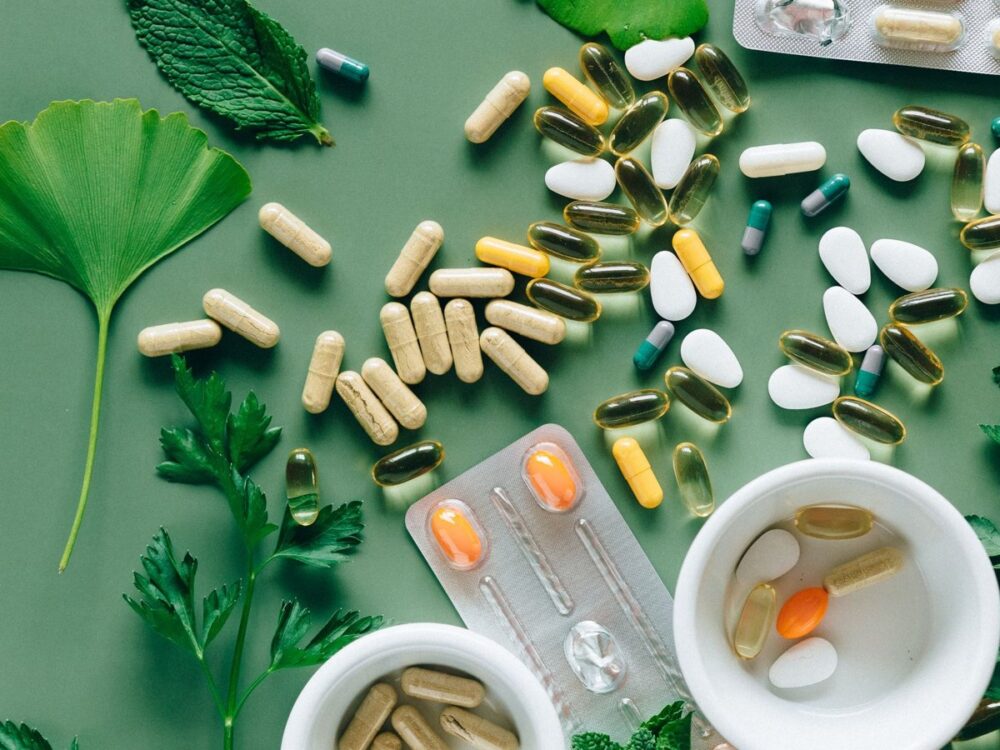
- Plant foods are not a reliable B12 source: vitamin B12 is found naturally mainly in animal foods, so vegans usually rely on fortified foods or a supplement.
- Know the forms: cyanocobalamin and methylcobalamin are the two you will see most often on labels.
- Check that it is really vegan: the vitamin itself is usually made by fermentation, but capsules, fillers and added nutrients can come from animals.
- Ask a professional about dose: a doctor can check your B12 level and advise how much you need.
If you follow a vegan diet, vitamin B12 is the nutrient you will hear about most often, and for good reason. It is found naturally mainly in animal foods, so once meat, fish, eggs and dairy are off the plate, most people need another source. A vegan B12 supplement is the simplest option for many, but labels can be confusing. This guide explains the forms of B12, how to check that a product is truly vegan, and which format may suit you. You can browse our vitamin and mineral supplements as you read.
Why Vegans Look for a B12 Supplement
Vitamin B12 helps the body make red blood cells and keep nerve cells healthy. The body cannot make it, so it has to come from food or supplements. According to the NIH Office of Dietary Supplements vitamin B12 fact sheet, B12 occurs naturally in animal foods, and people who eat little or no animal food are among those who may not get enough from diet alone.
Some plant foods, such as certain breakfast cereals, plant milks and nutritional yeast, are fortified with B12, which means it has been added during manufacturing. Fortified foods can help, but only if you read the label and eat them regularly. For a fuller list of natural and fortified sources, see our guide to foods with vitamin B12.
Forms of Vitamin B12 on the Label
B12 is a family of related compounds called cobalamins. The name on the label tells you which one a product uses:
- Cyanocobalamin: the most common form in supplements and fortified foods. It is stable and widely used, and the body converts it into the active forms it needs.
- Methylcobalamin: one of the forms the body uses directly. It is popular in “natural” or “active” B12 products.
- Adenosylcobalamin and hydroxocobalamin: less common in shop-bought supplements, sometimes found in blends with methylcobalamin.
Marketing often claims one form is better than another, but for most people the form matters less than taking a reliable product consistently. If you are unsure which to choose, ask your doctor or a registered dietitian.
How to Check a Vegan B12 Supplement Label
The B12 in most supplements is produced by bacterial fermentation, not taken from animals. That does not automatically make the finished product vegan, so check these points before you buy:
- Capsule shell: gelatin capsules are made from animal sources. Look for tablets or vegetable capsules (often listed as HPMC or hydroxypropyl methylcellulose).
- Added nutrients: combination products may include vitamin D3, which is often made from lanolin (sheep wool), or omega-3 from fish oil. Check where each extra ingredient comes from.
- Fillers and coatings: some tablets use lactose, shellac or beeswax.
- Vegan marking: in India, the FSSAI green dot only means vegetarian, which can still include dairy. Look for a separate vegan logo or a clear “suitable for vegans” statement.
- Licence and importer details: check the FSSAI licence number and, for imported products, the importer name on the pack.
Tablets, Sprays, Drops or Strips: Choosing a Format
B12 comes in many formats. None is automatically better; choose the one you will remember to take.
- Tablets and capsules are simple, portable and usually the most economical per serving.
- Chewables and sublingual tablets suit people who dislike swallowing pills. Sublingual tablets are dissolved under the tongue.
- Sprays, drops and oral strips are convenient but usually cost more per serving. Check the amount per spray, drop or strip.
- Multivitamins include B12 alongside other nutrients. If you prefer one daily product, compare options in our multivitamin range and check each label for B12 and vegan suitability.
The multivitamin below lists methylcobalamin (vitamin B12) among its ingredients. It is not labelled vegan, so it is better suited to vegetarians; vegans should check the full ingredient list first.
Do Vegetarians Need a B12 Supplement Too?
Vegetarians who eat dairy and eggs get some B12 from those foods, so their situation is different from vegans. Whether that is enough depends on how much of those foods you eat. If you are cutting back on dairy or eggs, it is worth asking your doctor about a blood test. Our article on tips for going vegan without missing key nutrients also covers B12, iron and other nutrients to watch.
Protein is the other common question for plant-based eaters, especially if you train. Our guide to protein supplements for vegetarians explains the options, and the calculator below can help you estimate a daily macro split for your goals.
Safety and When to Talk to a Doctor
Follow the serving size on the label and do not take more than directed. Some medicines can affect how the body absorbs or uses B12, so speak to your doctor before starting a supplement if you take regular medication, are pregnant or breastfeeding, or have a medical condition. A doctor can check your B12 level with a simple blood test and advise on the right amount for you. Keep all supplements out of reach of children.
Frequently Asked Questions
Is all vitamin B12 vegan?
The vitamin itself is usually made by fermentation, but the finished product may contain animal-derived capsules, fillers or added nutrients. Check for a vegan logo or a clear vegan statement on the pack.
Which is better, cyanocobalamin or methylcobalamin?
Both are common forms of B12 in supplements. Cyanocobalamin is the most widely used and is converted by the body into active forms. Your doctor or dietitian can help you decide which suits you.
Can I get enough B12 from fortified foods alone?
Some people do, if they eat fortified foods regularly and check how much B12 each serving provides. Many vegans find a supplement easier to keep consistent.


Pingback: Vitamin B12 Foods: Best Sources for Vegetarians