SUPPLEMENT GUIDES
4 Important Facts You Should Know About Whey Protein
Are you concerned about taking care of your body before and after
strenuous activities or workouts? Do you try to avoid supplements
that contain additives and possible side effects?
If you are interested in better health and improved physical
fitness you have surely heard that bodybuilders and other
athletes are turning to a simple, natural supplement called whey
protein.
WHY DO ATHLETES USE WHEY PROTEIN?
Protein levels are depleted through exercise. Muscles require
amino acids to prevent deterioration, give endurance and build
mass. Proteins supply these amino acids to the muscles which is
why athletes use whey protein.
WHAT IS WHEY PROTEIN?
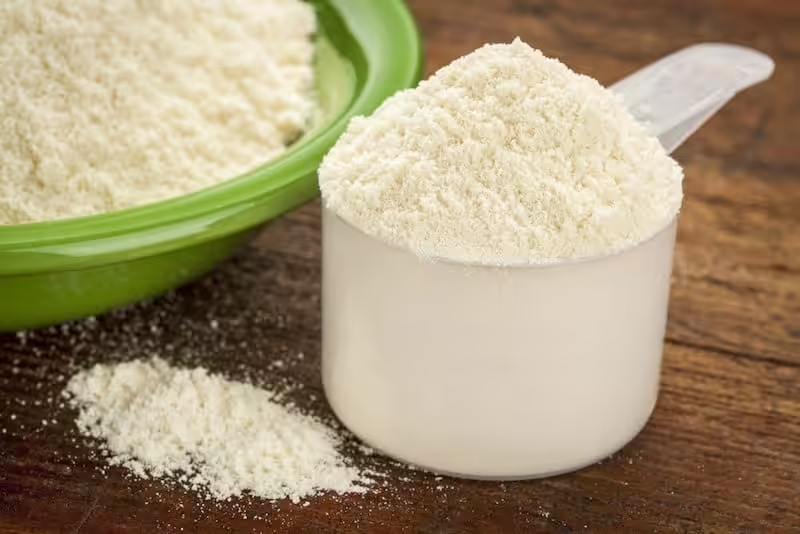
Commercial whey protein comes from cow’s milk. Whey is the
by-product of making cheese and was usually thrown away as a
waste product. Now researchers know that whey protein is high
quality, natural protein that is rich with amino acids essential
for good health and muscle building. It is naturally found in
mother’s milk and also used in baby formula. It is being
considered for use as a fortifier of grain products because of
its considerable health benefits and bland flavor.
Although protein is also found in other foods such as meat, soy
and vegetables, whey protein is proven to have the highest
absorption (digestion) levels in comparison to all others.
WHO SHOULD CONSIDER USING WHEY PROTEIN?
Whey protein has many health benefits including immune support,
bone health, sports health, weight management and overall well
being.
Because amino acids are ‘building blocks’ for the human body it
is sometimes used by patients to speed up the healing of wounds
or burns.
The high quality protein that comes from whey makes it a
recommended choice for those who need optimal benefits from
restricted diets including diabetics, those on weight management
diets and even ill patients not able to consume enough protein in
their diet to assist with healing.
CAN WHEY PROTEIN BE DANGEROUS?
Whey protein is a food and so it does not have have the risks
associated with other supplements. That said, too much of
anything carries risks. Extremely high use of whey protein can
overload the liver which can cause serious problems. Moderation
is always recommended.
If you are lactose intolerant you might try whey protein isolate
which has less than 1% lactose and should be tolerable for most
users.
Whey protein is a natural and healthy way to bring protein into
your diet and increase well being.
The information contained in this article is for educational purposes
only and is not intended to medically diagnose, treat or cure any
disease. Consult a health care practitioner before beginning any
health care program.
[ad_2]
Authenticity Guarantee: Beast Nutrition is an authorized retailer for 100% genuine supplements with official importer tags, batch verification, and FSSAI compliance.
Disclaimer: This content is for informational and educational purposes only. Always consult a physician or certified dietitian before starting any new supplement regimen.
Keep reading
SUPPLEMENT GUIDES
Natural Protein Powder: How to Read the Label
What does natural protein powder really mean? Learn how to read the label, compare whey and plant options,
Read articleSUPPLEMENT GUIDES
Best Whey Protein Brands: How to Judge a Brand
Looking for the best whey protein brands? Learn how to judge any brand by its label, whey type,
Read articleSUPPLEMENT GUIDES
Plant Protein vs Whey Protein: Which Should You Pick?
Plant protein vs whey protein: compare sources, lactose, amino acids, taste and diet fit to choose the right
Read article