
Supplement guides, Myths, safety & side effects, Protein & whey
Whey Protein Causing You Lower Back Pain?
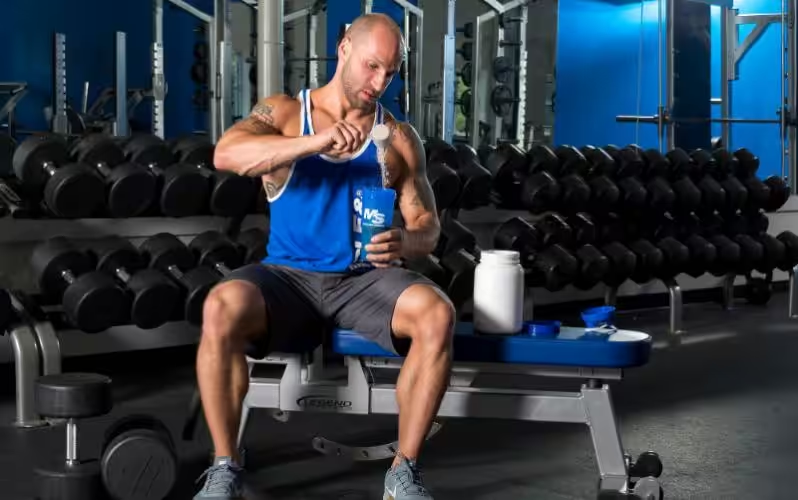
If you recently began taking whey protein and you are noticing a pain in your lower back, you’re not alone. I first began supplementing back in high school. Like many folks, I wanted to gain muscle mass, and bulk up. Everyone wants to feel good about themselves, and like most guys, I wanted the those big muscles to impress the ladies with. Coach always told me, “no pain, no gain,” and I guess he was right. When I began to supplement with whey, I noticed a slight sensation of pain in my lower back region. After a few days, this pain intensified to an indescribable level. If this has happened to you, then you know what I am talking about.
After talking to my friend, Sean, a personal trainer, he told me about how I may be experiencing kidney problems, because of the protein powder that I was supplementing with. After discussing a number of different possibilities, he finally asked me how much water I was drinking, while I was supplementing with protein. I told him that I was drinking 8 glasses of water a day. That’s when he knew there was a problem.
Supplementing with whey protein seems to be totally safe, unless you don’t follow a few common guidelines. In fact, there are 3 simple guidelines that you should follow, and drinking water is definitely one of those guidelines. We’ll talk about why you and I are experiencing lower back pain, due to kidney overdrive, in just a moment. First, let’s discuss 3 rules you must follow, while supplementing with whey protein.
1. Use as directed. Never intake more whey protein than what’s recommended on the bottle.
2. Drink double your recommended intake of water. 8 glasses would become 16 glasses. You will especially want to drink more water on training days.
3. Not a meal replacement. Supplement with a meal. Never use whey as a meal replacement.
Like many of you who have decided to take whey protein, I also once decided to begin taking it. As long as you follow the above rules, you will be fine. When you start bending rules 1 and 2, especially, you will begin to overwork your kidneys. Ultimately, it’s noted that whey protein could possibly be linked to kidney stones. If you have lower back pain, stop taking whey protein until the pain subsides. If you’re currently in pain, you will want to drink some water. This will help the pain subside. If you decide to begin supplementing again, be sure to always follow the 3 rules above, for your own well-being.
[ad_2]Source by Taylor Thompson

Authenticity Guarantee: Beast Nutrition is an authorized retailer for 100% genuine supplements with official importer tags, batch verification, and FSSAI compliance.
Disclaimer: This content is for informational and educational purposes only. Always consult a physician or certified dietitian before starting any new supplement regimen.
Keep reading
Supplement guides Buying guides & reviews Protein & whey
Natural Protein Powder: How to Read the Label
What does natural protein powder really mean? Learn how to read the label, compare whey and plant options,
Read articleSupplement guides Buying guides & reviews Protein & whey
Best Whey Protein Brands: How to Judge a Brand
Looking for the best whey protein brands? Learn how to judge any brand by its label, whey type,
Read articleSupplement guides Buying guides & reviews Protein & whey
Plant Protein vs Whey Protein: Which Should You Pick?
Plant protein vs whey protein: compare sources, lactose, amino acids, taste and diet fit to choose the right
Read article