

COVID 19, Diet & nutrition, Vitamins & wellness
Vitamin B12 Foods: Best Sources for Vegetarians
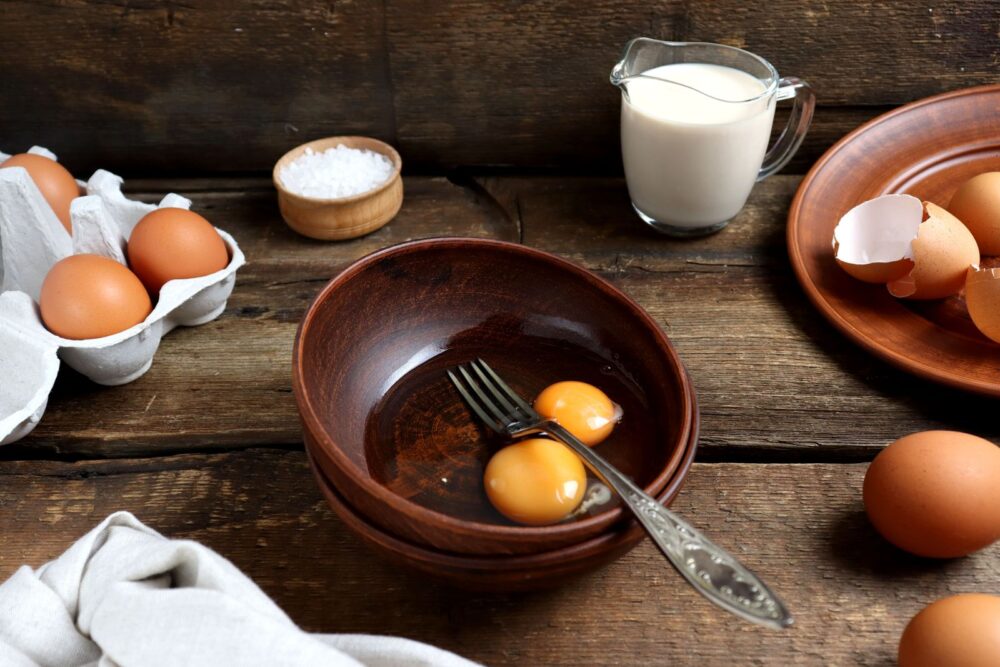
Vitamin B12 foods are almost all animal products: fish, meat, poultry, eggs, and milk and other dairy foods. Plant foods do not naturally provide reliable vitamin B12, so vegetarians depend mainly on dairy and eggs, while vegans need fortified foods or a supplement. Knowing which foods supply it helps you plan meals and spot when you might need to check your levels with a doctor.
Why Vitamin B12 Matters
Vitamin B12 is a water-soluble vitamin the body needs to make red blood cells, keep nerve cells healthy and make DNA. Your body cannot produce it, so it has to come from food or supplements.
According to the US National Institutes of Health, most adults need about 2.4 micrograms a day, with slightly higher amounts during pregnancy and breastfeeding (NIH Office of Dietary Supplements). The amount is small, but getting it regularly matters, especially if you eat few or no animal foods.
Vitamin B12 Foods for Vegetarians
If you are vegetarian, dairy and eggs are your main natural sources. Including some at most meals makes a real difference.
- Milk: a glass with breakfast or a milky chai contributes some B12.
- Curd and yogurt: easy to add to lunch or as raita.
- Paneer and cheese: useful in sabzis, wraps and sandwiches.
- Eggs, if you eat them: the yolk holds most of the B12.
- Whey protein: as a milk product, whey powders can contain some B12; check the label, as amounts vary.
For more vegetarian protein ideas that fit with these foods, see our guide to protein supplements for vegetarians and our Indian vegetarian diet plan.
Non-Vegetarian Sources of Vitamin B12
Animal foods are the richest natural sources of vitamin B12:
- Liver and other organ meats: among the most concentrated sources.
- Fish and shellfish: for example salmon, tuna, sardines, mackerel and clams.
- Meat: mutton and other red meats.
- Poultry: chicken provides smaller amounts than red meat or fish.
People who eat these foods a few times a week alongside dairy and eggs usually get enough B12 from their diet, unless something affects absorption.
Fortified Foods and Plant Sources
Fortified foods have B12 added during manufacturing. They are especially important for vegans. Examples include some breakfast cereals, plant milks and nutritional yeast. Check the label, because not every product is fortified.
Some plant foods, such as certain seaweeds and fermented foods, are often promoted as B12 sources, but they contain little or no B12 in a form the body can use. They should not be relied on to meet your needs.
Easy Ways to Add B12 Foods to Indian Meals
Spreading B12 sources across the day is easier than trying to get it all from one meal. Here is a simple example for a vegetarian who eats dairy and eggs:
| Meal | B12-containing options |
|---|---|
| Breakfast | Vegetable omelette or besan chilla with a glass of milk |
| Lunch | Dal, roti and sabzi with a bowl of curd or raita |
| Evening snack | Paneer tikka, a cheese sandwich or a whey shake made with milk |
| Dinner | Palak paneer or egg curry with rice or roti |
If you avoid eggs, lean more on milk, curd, paneer and fortified foods. If you also avoid dairy, plan on fortified foods or a supplement and discuss it with a doctor.
Who Is More Likely to Run Low
Certain groups are more likely to get too little vitamin B12 or absorb it poorly:
- vegans, and vegetarians who eat little dairy or eggs;
- older adults, as absorption from food can decline with age;
- people with stomach or gut conditions, or who have had weight-loss surgery;
- people who take certain long-term medicines, such as some diabetes and acid-reducing drugs.
Low B12 can build up slowly over time. If you belong to one of these groups or feel unusually tired, ask a doctor about a blood test rather than guessing.
Should You Take a Vitamin B12 Supplement?
If your diet includes plenty of dairy, eggs or animal foods, you may not need one. If you eat few animal foods, or a doctor has found your levels are low, a supplement is a common and simple option.
B12 is available on its own in our single vitamins range and is included in most multivitamins. If you follow a plant-based diet, read our guide to choosing a vegan B12 supplement. Follow the label and consult a doctor before starting, especially if you take other medicines.
Vitamin B12 Foods: FAQ
Which vegetarian food is highest in vitamin B12?
Among vegetarian foods, dairy products and eggs are the main natural sources. Fortified foods can also provide useful amounts, depending on the product.
Do fruits and vegetables contain vitamin B12?
No. Fruits, vegetables, grains and pulses do not naturally contain reliable amounts of vitamin B12 unless they are fortified.
Can I get enough B12 from milk alone?
Milk helps, but relying on one food is risky. Combine several sources across the day, and speak to a doctor if you are unsure whether you are getting enough.

Authenticity Guarantee: Beast Nutrition is an authorized retailer for 100% genuine supplements with official importer tags, batch verification, and FSSAI compliance.
Disclaimer: This content is for informational and educational purposes only. Always consult a physician or certified dietitian before starting any new supplement regimen.
Keep reading
Supplement guides Buying guides & reviews Diet & nutrition Vitamins & wellness
Vegan B12 Supplement: How to Choose the Right One
Choosing a vegan B12 supplement? Learn the common forms of vitamin B12, how to check a label is
Read articleSupplement guides Buying guides & reviews Creatine Diet & nutrition
Is Creatine Vegetarian? A Label-Reading Guide
Is creatine vegetarian? Learn where supplement creatine comes from, how vegetarian and vegan differ, and what to check
Read articleSupplement guides Buying guides & reviews Vitamins & wellness
Triple Strength Omega 3: How to Read the Label
What triple strength omega 3 means on a fish oil label, how to compare EPA and DHA per
Read article