

Supplement guides, Protein & whey
Chocolate Whey Protein: How to Choose and Use It
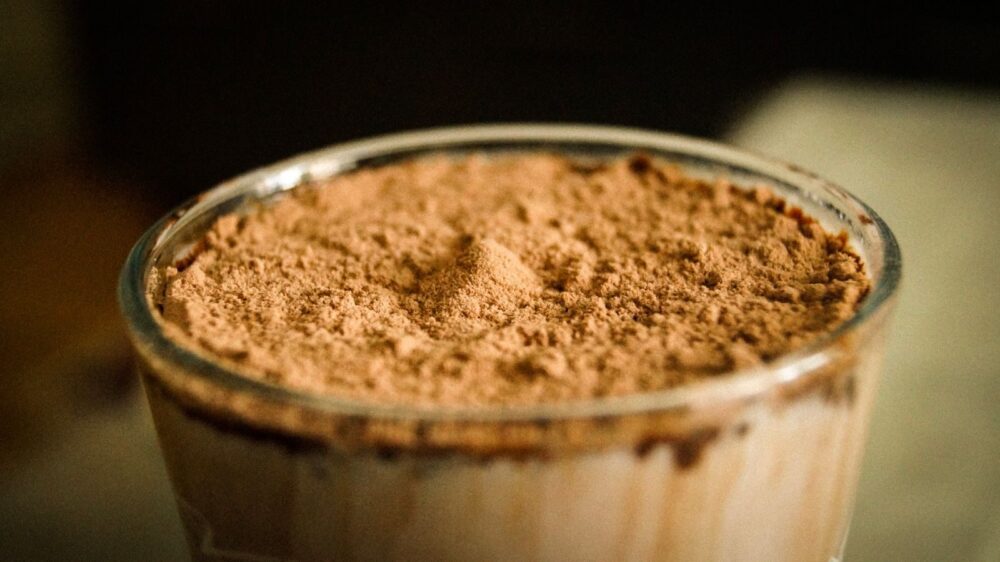
Chocolate whey protein is regular whey protein flavoured with cocoa and other flavourings, so it gives you the same protein as an unflavoured powder in a far more drinkable form. Nutritionally it is close to plain whey; the main differences are taste, a few extra ingredients such as sweeteners, and sometimes a little more sugar or carbohydrate. It is the most popular flavour for a reason: chocolate masks the natural milky taste of whey well and works in almost any recipe.
This guide covers what goes into a chocolate whey, how to compare labels, and easy ways to use it.
What Is Chocolate Whey Protein?
Whey is the protein-rich liquid left when milk is made into cheese. It is filtered, gently pasteurised and spray-dried into a powder. Unflavoured whey tastes mild and slightly milky, which many people find hard to drink every day.
To make a chocolate version, manufacturers add cocoa powder and usually extra chocolate flavouring and a sweetener. The protein itself is unchanged. That means everything you know about whey, from how it digests to how it fits your diet, still applies. If you are new to whey, start with our guide on whey protein concentrate.
Chocolate vs Unflavoured and Other Flavours
Compared with an unflavoured whey, a chocolate whey usually has:
- slightly less protein per scoop, because cocoa and flavourings take up some of the weight;
- a few more grams of carbohydrate, depending on the cocoa and sweetener used;
- a sweetener, such as sucralose, stevia or sugar;
- a much more pleasant taste for most people.
Vanilla is the other classic choice. It is more neutral and easier to pair with fruit, while chocolate is richer and better with coffee, oats or peanut butter. Our vanilla whey guide covers that flavour in detail.
How to Choose a Chocolate Whey Protein
Check protein per serving
Look at grams of protein per scoop and compare it with the scoop size. A higher share of protein usually means fewer fillers and less sugar.
Read the ingredients list
Ingredients are listed from most to least. Whey concentrate, isolate or both should come first, followed by cocoa and flavourings. Check the sweetener used and whether any sugar is added.
Pick concentrate or isolate
A chocolate whey concentrate is usually creamier and more affordable. A chocolate whey isolate is typically leaner and lower in lactose, which some people with mild lactose sensitivity prefer.
Buy from a trusted source
Choose sealed, in-date products from an authorised seller, and check the batch and expiry details on the tub.
How to Use Chocolate Whey
The simplest option is a shake. Mixing with water gives a lighter, leaner drink; mixing with milk gives a thicker, creamier one with extra calories and protein. Our guide on mixing whey with water or milk explains the trade-offs. A few other easy ideas:
- Mocha shake: blend with cold coffee, milk and ice.
- Chocolate oats: stir a scoop into cooked oats once they have cooled slightly.
- Banana smoothie: blend with a banana, milk and a spoon of peanut butter.
- Curd bowl: mix into thick curd and top with fruit or nuts.
For a smoother texture, add liquid to the shaker first, then the powder, and shake well. Avoid adding whey to boiling liquids, as it can clump.
Storing Chocolate Whey and Common Mistakes
Keep the tub tightly closed in a cool, dry place, away from direct sunlight and kitchen steam. Use a dry scoop every time, because moisture can make the powder lump and spoil the flavour. Most tubs carry a best-before date and storage instructions on the label, so follow those.
- Using too much powder: more scoops mean more calories, not faster results. Stick to the serving size on the label.
- Judging by taste alone: a very sweet flavour can hide a lower protein share. Always read the nutrition panel.
- Relying on shakes instead of meals: protein powder works best alongside a balanced diet, not in place of one.
Who Is Chocolate Whey For?
It suits anyone who uses whey and wants a flavour they will enjoy every day, whether after training, at breakfast or between meals. It is not a meal replacement, and it is not necessary if you already meet your protein needs from food. Follow the serving directions on the label, and consult a doctor before use if you have a medical condition, a milk allergy, are pregnant, or take regular medication.
Frequently Asked Questions
Is chocolate whey protein less healthy than unflavoured?
Not necessarily. The protein is the same. Check the label for added sugar and carbs if you are tracking them closely.
Does chocolate whey contain caffeine?
Cocoa naturally contains small amounts of caffeine-like compounds, but the amount in a scoop is usually very small. If you are sensitive, check the label or ask the brand.
Can I bake with chocolate whey?
Yes. It works in pancakes, muffins and protein bars. Replace only part of the flour, as too much whey can make baked food dry.

Authenticity Guarantee: Beast Nutrition is an authorized retailer for 100% genuine supplements with official importer tags, batch verification, and FSSAI compliance.
Disclaimer: This content is for informational and educational purposes only. Always consult a physician or certified dietitian before starting any new supplement regimen.
Keep reading
Supplement guides Buying guides & reviews Protein & whey
Synthetic Whey Protein: What It Is and How It Compares
Is whey protein synthetic? Learn how regular whey is made, what animal-free "synthetic" whey is, how the two
Read articleSupplement guides Beginner guides Creatine
Should I Take Creatine on Rest Days? A Simple Guide
Should I take creatine on rest days? Yes, most people take it daily. Learn why, how to take
Read articleSupplement guides Protein & whey
Absorbable Protein: What Makes Protein Easy to Absorb?
What does absorbable protein really mean? Learn how protein is digested, how PDCAAS and DIAAS measure quality, and
Read article