

SUPPLEMENT GUIDES
Whey Protein Concentrate: What It Is and Who It Suits
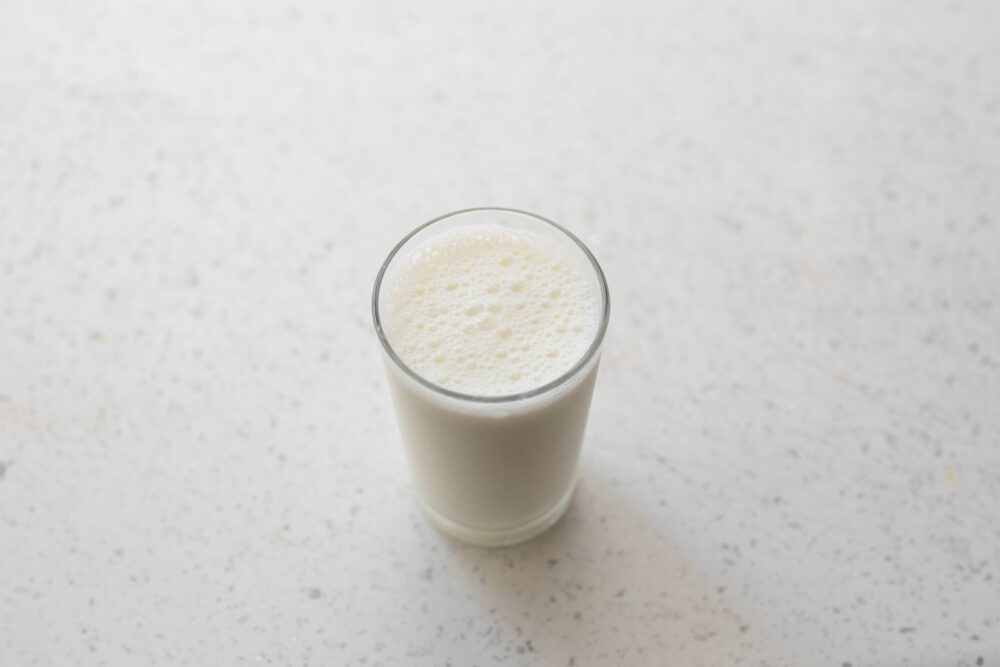
Whey protein concentrate (WPC) is the most common and usually the most affordable form of whey protein. It is whey from milk that has been filtered to raise its protein content while keeping a little of the natural lactose and fat. For most healthy gym-goers who digest dairy well, a good whey protein concentrate is a practical, value-for-money way to top up daily protein.
This guide explains what WPC is, how it differs from isolate, who it suits and what to check on the label before you buy. If you are completely new to whey, start with our simple guide to what whey protein is.
What Is Whey Protein Concentrate?
Whey is the liquid left behind when milk is turned into cheese or paneer. It contains several milk proteins, plus lactose (milk sugar), minerals and a little fat. Whey protein concentrate is made by filtering that liquid to remove much of the water, lactose and minerals, then drying what is left into a powder.
WPC is sold at different strengths. Most sports nutrition products use a concentrate that is around 80% protein by dry weight, often written as “WPC80”. The rest is mainly lactose, fat and minerals. Early whey powders were much less refined, which is partly why concentrate picked up a reputation as a “lower grade” protein. Modern concentrates are far cleaner, and that reputation is largely out of date.
How Whey Protein Concentrate Is Made
The basic process is similar for most manufacturers:
- Separation: milk is curdled to make cheese or paneer, which separates the solid curds and whey.
- Filtration: the liquid whey is passed through fine membranes that hold back the protein and let much of the water, lactose and minerals pass through.
- Drying: the concentrated liquid is spray-dried into a fine powder.
- Blending: brands add flavours, sweeteners, thickeners and sometimes digestive enzymes to make the finished product.
Further filtration removes even more lactose and fat. That extra step is what turns a concentrate into a whey protein isolate.
Whey Protein Concentrate vs Isolate
The main difference between concentrate and isolate is how much filtering the whey goes through. Here is a quick comparison:
| Feature | Whey protein concentrate | Whey protein isolate |
|---|---|---|
| Protein content | Usually around 70 to 80% | Usually 90% or more |
| Lactose and fat | Small amounts | Very little |
| Taste and texture | Creamier, fuller taste | Lighter, thinner shake |
| Price | Generally lower | Generally higher |
| Best for | Value and taste, if dairy suits you | Lower lactose or tighter macros |
Neither is better for everyone. Concentrate gives you more protein for your money, while isolate makes sense if you are sensitive to lactose or want the fewest extra carbs and fat. Our guide to isolated whey protein covers the isolate side in more detail.
Who Whey Protein Concentrate Suits
A whey protein concentrate is a sensible choice if you:
- Digest milk, curd and paneer without discomfort.
- Want a budget-friendly way to reach your daily protein target.
- Prefer a creamier shake that tastes good with water or milk.
- Are bulking or maintaining, where a few extra grams of carbs and fat are not a concern.
You may prefer an isolate, a blend or a different protein if you:
- Get bloating or stomach upset from dairy.
- Are on a strict cutting diet and track every gram of carbohydrate and fat.
- Are vegan or avoid dairy altogether.
If you have a milk allergy, a kidney condition or any other medical condition, or you are pregnant, speak to your doctor before using any protein supplement.
How to Choose a Good Whey Protein Concentrate
Once you know concentrate suits you, the label tells you most of what you need to know. Check these points:
- Protein per serving: compare grams of protein per scoop, not just the scoop size. A bigger scoop with the same protein means more fillers.
- Protein source: the ingredient list should start with whey protein concentrate. If several proteins are listed, the product is a blend.
- Amino acid profile: reputable brands publish an amino acid table. Be wary of added free amino acids, such as glycine or taurine, that can inflate the protein figure.
- Sugar and additives: check added sugar, sweeteners and thickeners if you are watching your intake.
- Authenticity: buy sealed products from authorised sellers, and check the batch number, MRP label and importer details.
Price per gram of protein is the fairest way to compare products, and our guide to whey protein price shows how to work it out. When you are ready to compare options, browse our whey concentrate range.
How to Use Whey Protein Concentrate
Whey concentrate is a food supplement, not a replacement for a balanced diet. Most people mix it with water or milk and drink it after training, at breakfast, or between meals when whole-food protein is hard to fit in. It also works well stirred into oats, smoothies or dahi.
For serving size and how often to take it, follow the directions on the label and consult a doctor if you are unsure. Your total daily protein from food and supplements matters more than the exact timing of a shake.
Frequently Asked Questions
Is whey protein concentrate good for beginners?
For most healthy adults who tolerate dairy, yes. It is affordable, easy to mix and tastes good, which is why it is a common first protein powder.
Does whey protein concentrate contain lactose?
It contains a small amount of lactose. Some people who are mildly sensitive manage fine, while those who react to dairy often do better with an isolate or a non-dairy protein.
Is concentrate or isolate better for muscle gain?
Both provide high-quality protein. For muscle gain, your total daily protein, total calories and consistent training matter far more than the type of whey.
Can I mix whey protein concentrate with milk?
Yes. Milk adds extra protein and calories and makes the shake creamier. Water keeps the calories lower.

Authenticity Guarantee: Beast Nutrition is an authorized retailer for 100% genuine supplements with official importer tags, batch verification, and FSSAI compliance.
Disclaimer: This content is for informational and educational purposes only. Always consult a physician or certified dietitian before starting any new supplement regimen.
Keep reading
SUPPLEMENT GUIDES
Natural Protein Powder: How to Read the Label
What does natural protein powder really mean? Learn how to read the label, compare whey and plant options,
Read articleSUPPLEMENT GUIDES
Best Whey Protein Brands: How to Judge a Brand
Looking for the best whey protein brands? Learn how to judge any brand by its label, whey type,
Read articleSUPPLEMENT GUIDES
Plant Protein vs Whey Protein: Which Should You Pick?
Plant protein vs whey protein: compare sources, lactose, amino acids, taste and diet fit to choose the right
Read article