

Diet & nutrition
Nutrient Dense Foods: Everyday Foods Rich in Nutrients
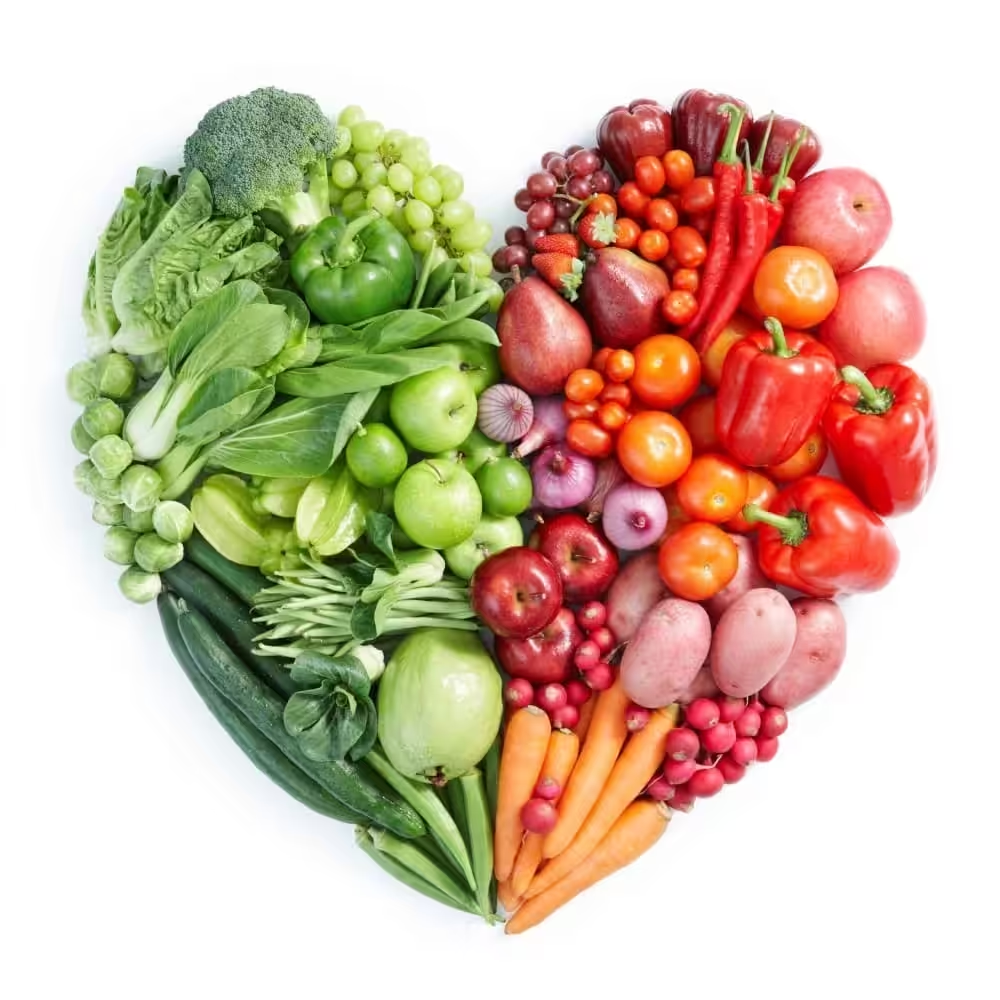
Nutrient dense foods give you plenty of vitamins, minerals, protein and fibre for the calories they provide. In an Indian kitchen that means foods like dal, eggs, curd, leafy greens, seasonal fruit, nuts and whole grains, rather than sugary drinks, biscuits or fried snacks.
This guide explains what nutrient density means, lists everyday foods rich in nutrients by food group and shows how to build them into simple, balanced meals.
What Does Nutrient Dense Mean?
Your body needs two broad kinds of nutrients. Macronutrients (protein, carbohydrates and fats) provide energy, while micronutrients (vitamins and minerals) are needed in much smaller amounts but are just as essential.
A food is nutrient dense when it delivers a good amount of these nutrients for its calories. Foods such as sugary soft drinks, cream biscuits and many packaged snacks are the opposite: they supply a lot of energy but relatively few vitamins, minerals or fibre.
Eating well does not mean never having a treat. It is about what most of your plate is made of, most of the time.
Nutrient Dense Foods by Food Group
The easiest way to eat a wide range of nutrients is to include something from each food group through the day.
Protein foods
Dal, rajma, chana, soya chunks, paneer, curd, eggs, fish and chicken all provide protein along with other nutrients such as iron, zinc and B vitamins. Our list of foods high in protein has more options for both vegetarians and non-vegetarians.
Vegetables and leafy greens
Spinach, methi, amaranth (chaulai), carrots, beans, broccoli, pumpkin and tomatoes bring vitamins, minerals and fibre for very few calories. Aim for a mix of colours across the week.
Fruits
Guava, amla, oranges, papaya, bananas and other seasonal fruit are good everyday choices. Whole fruit keeps its fibre, so it is usually a better pick than packaged juice.
Whole grains and millets
Whole wheat atta, brown or hand-pounded rice, oats, ragi, jowar and bajra contain more fibre and minerals than refined flour (maida) and polished grains.
Nuts, seeds and healthy fats
Almonds, peanuts, walnuts, flaxseed and sesame are rich in nutrients and healthy fats. A spoon of peanut butter on whole wheat toast is a quick, filling snack. These foods are also high in calories, so keep portions sensible.
Dairy and alternatives
Milk, curd and buttermilk provide protein and calcium. If you avoid dairy, fortified plant milks and calcium-set tofu are useful alternatives.
Easy Swaps for Foods Rich in Nutrients
Small changes add up. Here are a few swaps that keep meals familiar while adding more nutrition:
| Instead of | Try |
|---|---|
| White bread | Whole wheat roti or multigrain bread |
| Packaged fruit juice | Whole seasonal fruit |
| Namkeen or chips | Roasted chana or peanuts |
| Sugary breakfast cereal | Oats or poha with peanuts and vegetables |
| Cream biscuits with tea | A handful of nuts or a boiled egg |
How to Build a Nutrient Dense Plate
A simple rule of thumb is to fill about half your plate with vegetables and fruit, a quarter with protein and a quarter with whole grains, plus a small amount of healthy fat. A traditional thali often does this naturally: roti, dal, a vegetable sabzi, salad and a bowl of curd.
How much you eat still matters. Nutrient dense foods support your goals best when total calories match your needs, whether you want to lose fat, maintain or gain weight. Our free calorie calculator gives you a personal starting point.
Nutrients That Can Be Harder to Get
Some nutrients are harder to get from everyday diets, particularly for vegetarians and people who spend little time outdoors:
- Vitamin B12 is found mainly in animal foods, so vegetarians often rely on dairy and fortified foods. See our guide to vitamin B12 foods.
- Vitamin D comes mostly from sunlight, and only a few foods contain it.
- Iron is found in leafy greens, legumes and meat. Eating vitamin C-rich foods such as amla or lemon with plant sources helps your body use it.
- Calcium comes from dairy, ragi, sesame and tofu.
If you think you may be low in any nutrient, ask a doctor about a blood test before starting supplements.
Where Supplements Fit
Supplements are there to fill gaps, not to replace food. A multivitamin or a protein powder can be useful when your diet falls short, for example during busy weeks or when following a restricted diet. Follow the label and consult a doctor, especially if you have a medical condition or take medicines.
Nutrient Dense Foods: FAQ
Are nutrient dense foods always low in calories?
No. Nuts, seeds, ghee and peanut butter are rich in nutrients but also high in calories. Nutrient density is about how much nutrition you get per calorie, not about calories alone.
Is home-cooked Indian food nutrient dense?
Often, yes. Dal, sabzi, roti and curd make a well-rounded meal. Using less oil, choosing whole grains over refined ones and frying less often make it even better.
Do I need a multivitamin if I eat well?
Many people meet their needs from a varied diet. A doctor can advise whether a supplement makes sense for you.

Authenticity Guarantee: Beast Nutrition is an authorized retailer for 100% genuine supplements with official importer tags, batch verification, and FSSAI compliance.
Disclaimer: This content is for informational and educational purposes only. Always consult a physician or certified dietitian before starting any new supplement regimen.
Keep reading
Supplement guides Buying guides & reviews Diet & nutrition Vitamins & wellness
Vegan B12 Supplement: How to Choose the Right One
Choosing a vegan B12 supplement? Learn the common forms of vitamin B12, how to check a label is
Read articleSupplement guides Buying guides & reviews Creatine Diet & nutrition
Is Creatine Vegetarian? A Label-Reading Guide
Is creatine vegetarian? Learn where supplement creatine comes from, how vegetarian and vegan differ, and what to check
Read articleSupplement guides Buying guides & reviews Diet & nutrition Protein & whey
Protein Supplements for Vegetarians: A Buyer’s Guide
Looking for protein supplements for vegetarians? Learn the difference between whey, casein and plant protein, and how to
Read article