
SUPPLEMENT GUIDES
BCAA for MMA Fighters: Do Combat Athletes Need Them?
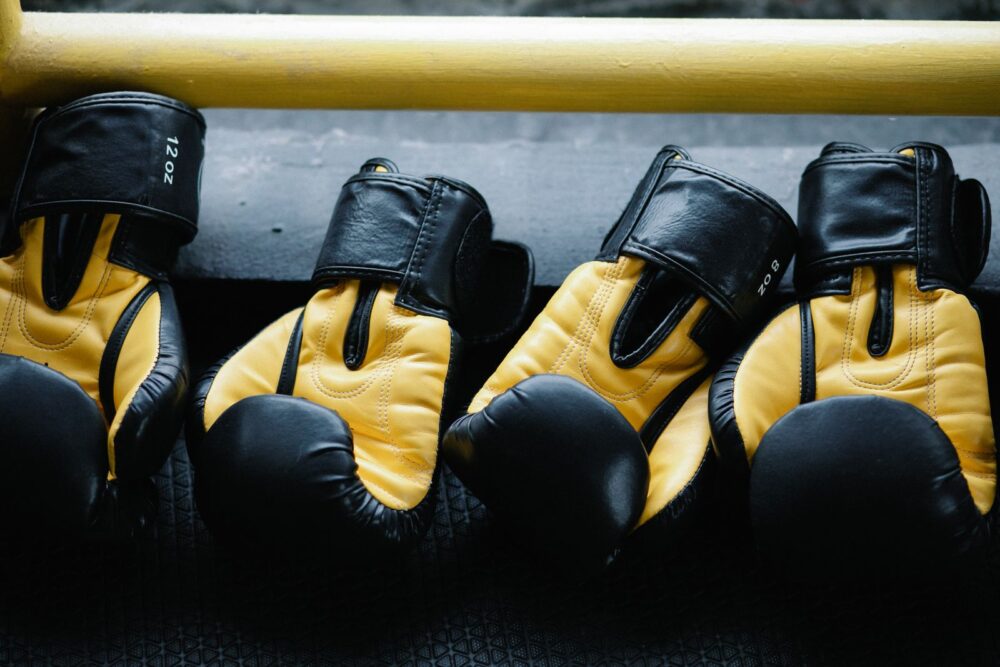
BCAA for MMA fighters is mainly about convenience: a low-calorie drink that supplies three amino acids during long, hard sessions, especially when you are cutting weight. BCAAs are not essential if you already eat enough protein, but some fighters find them a useful extra during demanding training camps.
This guide keeps the original idea of the old article, that small details matter in a sport where fights are decided by narrow margins, and explains realistically where BCAAs fit.
What Are BCAAs?
BCAA stands for branched-chain amino acids: leucine, isoleucine and valine. They are three of the nine essential amino acids, meaning your body cannot make them and has to get them from food. They are found naturally in protein-rich foods such as eggs, chicken, fish, milk, curd, paneer, dal and soya, and in protein supplements such as whey.
BCAA supplements are usually flavoured powders mixed with water and sipped before, during or after training. Our guide to BCAA benefits explains what they can and cannot do in general.
Why MMA Fighters Look at BCAAs
Mixed martial arts training is unusually demanding. A typical week can combine striking, wrestling, grappling, sparring, conditioning and strength work, often with two sessions a day. That puts a lot of stress on muscles and makes recovery a priority.
Fighters are often interested in BCAAs because:
- They are low in calories: useful when you are dieting down to a weight class and every calorie is counted.
- They are easy to sip during training: a flavoured drink can make long sessions easier to get through than plain water.
- They supply leucine: an amino acid involved in muscle protein building, which is part of why BCAAs are popular for recovery.
It is worth being clear about the limits. BCAAs are not a fat burner, they do not raise hormone levels, and they cannot make up for poor sleep, an inadequate diet or overtraining. Research on BCAAs for performance is mixed, as the US National Institutes of Health notes in its fact sheet on supplements for exercise.
BCAA vs Whey vs EAA for Fighters
| Option | What it gives you | Best used for |
|---|---|---|
| BCAAs | Three essential amino acids, very few calories | Sipping during long sessions, especially in a cut |
| EAAs | All nine essential amino acids | A more complete amino acid drink around training |
| Whey protein | Complete protein, including all BCAAs | Meeting daily protein needs after training or between meals |
If your budget allows only one product, whey protein usually covers more ground because it already contains BCAAs. Our guide to EAA supplements explains when an EAA product may make more sense.
How to Use BCAA for MMA Training
There is no single best routine, but common approaches include:
- During training: mixed into your water bottle and sipped through a long session or double day.
- Around fasted or early morning sessions: if you train before breakfast and find a drink easier than food.
- During a weight cut: as a low-calorie flavoured drink while total calories are reduced.
Follow the serving directions on the product label rather than calculating your own dose, and consult a doctor before using BCAAs if you have a medical condition or take medication. If you are cutting weight for a fight, plan it with a qualified coach or sports dietitian rather than relying on supplements. Our macro calculator can give you a starting point for protein, carbohydrate and fat targets.
Other Supplements Fighters Often Consider
The original article listed several products that fighters commonly pair with BCAAs. Each has its own purpose and evidence, so treat this as a starting point for your own reading rather than a stack to copy:
- Whey protein: for meeting daily protein needs.
- Creatine: widely used by strength and power athletes; check how it affects your weight before a weigh-in.
- Electrolytes: to replace sodium and other minerals lost in sweat during long sessions.
- L-glutamine, ZMA, HMB and beta-alanine: popular recovery and performance products, though their benefits vary between individuals.
Competitive fighters who are subject to anti-doping testing should check every product carefully and choose authentic, sealed supplements with full ingredient lists. You can compare options in our amino acids and BCAAs range.
Frequently Asked Questions
Do MMA fighters need BCAAs?
Not necessarily. If you eat enough protein through food and whey, BCAAs are optional. Some fighters still like them as a low-calorie drink during training, especially in a weight cut.
Can BCAAs help me make weight?
BCAAs do not burn fat. Making weight depends on your overall diet and training plan. A BCAA drink can make a lower-calorie diet easier to stick to for some people.
Can I take BCAAs and whey protein together?
Yes, but it is often unnecessary because whey already contains BCAAs. If you use both, follow the serving directions on each product.
Are BCAAs suitable for teenage fighters?
Young athletes should focus on regular meals with enough protein and speak to a doctor or qualified coach before using any supplement.

Authenticity Guarantee: Beast Nutrition is an authorized retailer for 100% genuine supplements with official importer tags, batch verification, and FSSAI compliance.
Disclaimer: This content is for informational and educational purposes only. Always consult a physician or certified dietitian before starting any new supplement regimen.
Keep reading
SUPPLEMENT GUIDES
Natural Protein Powder: How to Read the Label
What does natural protein powder really mean? Learn how to read the label, compare whey and plant options,
Read articleSUPPLEMENT GUIDES
Best Whey Protein Brands: How to Judge a Brand
Looking for the best whey protein brands? Learn how to judge any brand by its label, whey type,
Read articleSUPPLEMENT GUIDES
Plant Protein vs Whey Protein: Which Should You Pick?
Plant protein vs whey protein: compare sources, lactose, amino acids, taste and diet fit to choose the right
Read article