Pre-Workouts
Stimulant free
Explosive
High Caffiene


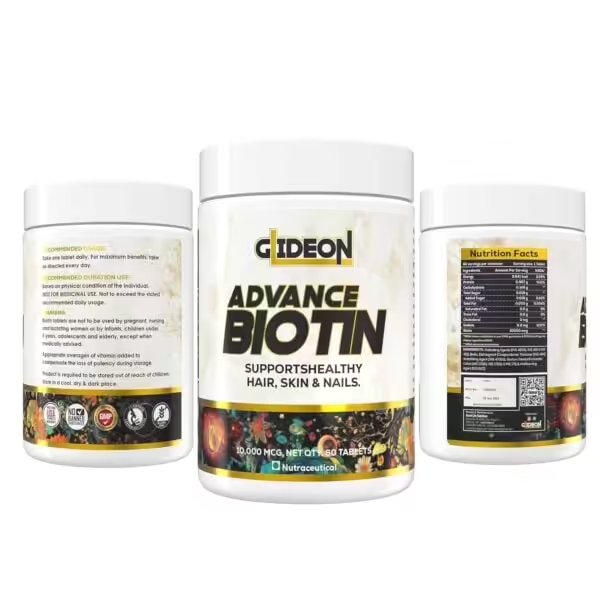
What is biotin?
Also known as vitamin H, biotin is one of the B complex vitamins that help the body convert food into energy.
he word “biotin” comes from the ancient Greek word “biotos,” which means “life” or “sustenance.” B vitamins, and specifically biotin, help keep your skin, hair, eyes, liver, and nervous system healthy. Biotin is also a crucial nutrientTrusted Source during pregnancy, as it’s important for embryonic growth.
Most people get the biotin they need from eating a healthy diet, but there have been many claims that getting more biotin can regulate your blood sugar, promote healthy hair, skin, and nails, and help pregnant moms have healthier babies.
Recommended daily allowance
Between 30 and 100 micrograms (mcg) per day of biotin is often recommended for adolescents and adults.
Because it’s water-soluble, extra biotin will simply pass through your body when you urinate. While most people can handle biotin supplements, some people report mild side effects like nausea and digestive issues. There are no known toxicity symptoms associated with too much biotin.
Supplements and diabetes
Some research, including this animal study, suggests that people with type 2 diabetes may benefit from taking biotin supplements to help regulate blood glucose levels. The research so far isn’t conclusive, however.
According to another study performed on animals, biotin may help prevent kidney damage in people with insulin-dependent type 1 diabetes. Again, more research is needed to support this.
Healthy hair, skin, and nails?
Biotin deficiencies are rare. But because people with a deficiency often show symptoms of hair loss or a scaly red rash, some doctors and supplement companies recommend increasing your intake.
However, the National Institutes of Health reports that there is insufficient data to support recommending supplementation.