
SUPPLEMENT GUIDES
Plant Protein: How to Choose a Plant-Based Protein Powder
Oct
Plant protein has moved from a niche option to a regular sight on supplement shelves. Some people choose it because they follow a vegetarian or vegan diet, others because they prefer to avoid dairy, and many simply want variety in how they add protein to their day. If you are comparing plant protein powders for the first time, the labels can feel unfamiliar. This guide explains where plant protein comes from, how the common sources differ, and what to check on a label before you buy.
What Is Plant Protein?
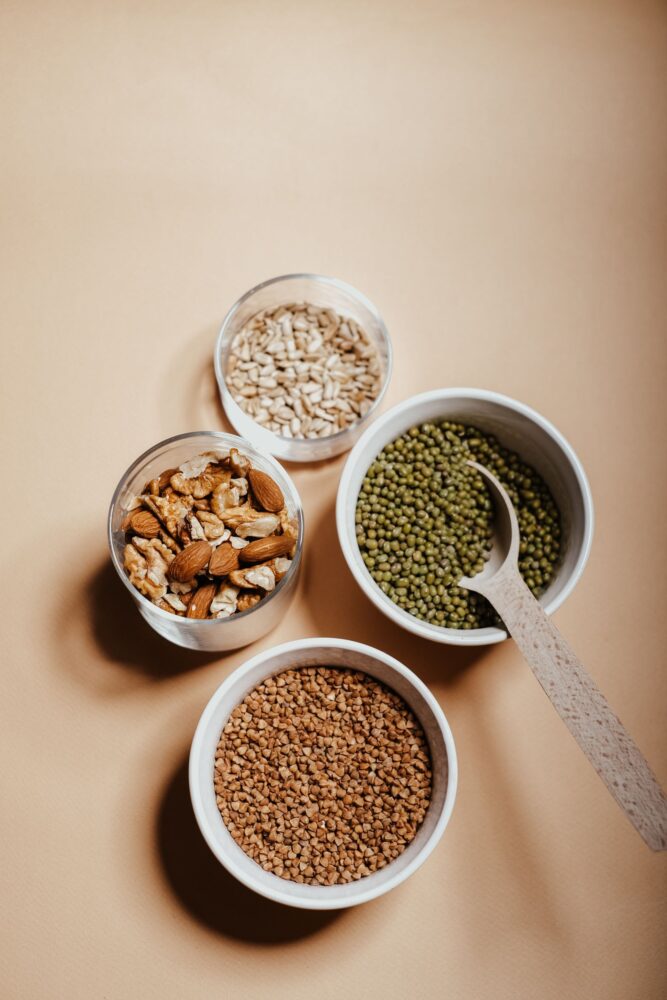
Plant protein is protein that comes from plant foods rather than from milk, eggs, or meat. In powder form, it is usually extracted from legumes, grains, or seeds and then dried into a fine powder that mixes with water, milk alternatives, or smoothies.
Most plant protein powders are made from one source or a blend of several. The source affects the taste, texture, and amino acid profile, so it is worth knowing what each one brings before choosing a tub.
Common Sources of Plant Protein Powder
These are the sources you will see most often on ingredient lists:
- Pea protein: Made from yellow split peas. It is one of the most widely used plant proteins and usually has a mild, earthy taste.
- Brown rice protein: Made from rice. It is often combined with pea protein because the two sources complement each other’s amino acid profiles.
- Soy protein: Made from soybeans. Soy is one of the few plant sources that is considered a complete protein on its own.
- Hemp, pumpkin seed, and other seed proteins: These are often included in blends and can add a nuttier flavour.
Many brands use a blend of two or more sources. A blend can help balance the amino acid profile, and it often improves taste and texture compared with a single source.
Plant Protein vs Whey: How Do They Compare?
This is one of the most common questions shoppers ask. Whey is a dairy protein, while plant protein comes from non-dairy sources. Neither is automatically better; the right choice depends on your diet, preferences, and how your body responds to each.
Whey suits people who are comfortable with dairy and want a familiar, widely available option. If you are weighing up different types of whey, our guide to whey concentrate vs whey isolate explains how they differ. Plant protein suits people who avoid dairy or animal products, or who simply want a change. Texture is another difference: plant powders can be slightly thicker or grainier, so mixing method matters more.
How to Choose a Plant Protein Powder
When you compare products, read the label rather than relying on the front of the pack. A few points are worth checking:
- Protein source: Is it a single source, such as pea, or a blend? Blends are often listed in order of quantity.
- Protein per serving: Check the serving size alongside the protein amount so you can compare products fairly.
- Ingredient list: Look at sweeteners, flavourings, thickeners, and anything added beyond the protein itself.
- Allergen information: Soy is a common allergen, and some products are made in facilities that also handle milk or nuts.
- Flavour and mixability: Unflavoured options work well in cooking and smoothies, while flavoured ones are easier to drink with water.
Not sure how much protein you should be aiming for in the first place? Our article on how much protein you need covers the basics. When you are ready to compare options, browse our protein powder range and use the product labels to check the details above.
Fitting Plant Protein Into a Vegetarian or Vegan Diet
A protein powder is a convenience, not a replacement for a varied diet. Whole foods such as lentils, beans, chickpeas, tofu, nuts, and seeds should still form the base of what you eat. A powder can help on busy days or when you want a quick shake.
If you are planning meals around vegetarian foods, our Indian vegetarian diet plan shows how familiar dishes can be built around protein-rich ingredients. For those moving toward a fully plant-based diet, these tips for eating well on a vegan diet are a helpful starting point. If you have a medical condition, are pregnant, or take medication, speak to a doctor or registered dietitian before adding any supplement.
Tips for Mixing and Using Plant Protein
Plant protein powders behave a little differently from dairy powders, so a few habits help:
- Add liquid to the shaker first, then the powder, to reduce clumping.
- Shake for a little longer than you would with whey, or use a blender.
- Try blending with fruit, oats, or nut butter if you find the texture earthy.
- Stir unflavoured powder into porridge, smoothies, or pancake batter.
- Follow the serving directions printed on the product label.
Frequently Asked Questions
Is plant protein a complete protein?
It depends on the source. Soy is generally considered complete on its own, while sources such as pea and rice are often blended so their amino acid profiles complement each other. Check the label to see which sources a product uses.
Is plant protein suitable for people who avoid dairy?
Plant protein powders are made without milk protein, which is why many people who avoid dairy choose them. Always check the allergen statement, as some products are made in facilities that also handle milk.
Can I use plant protein in cooking?
Yes. Unflavoured plant protein is easy to stir into smoothies, oats, and baked recipes. Flavoured versions work best in drinks and sweet dishes.