
Supplement guides, BCAA, EAA & glutamine, Buying guides & reviews, Vitamins & wellness
Glutathione vs Glutamine: What’s the Difference?
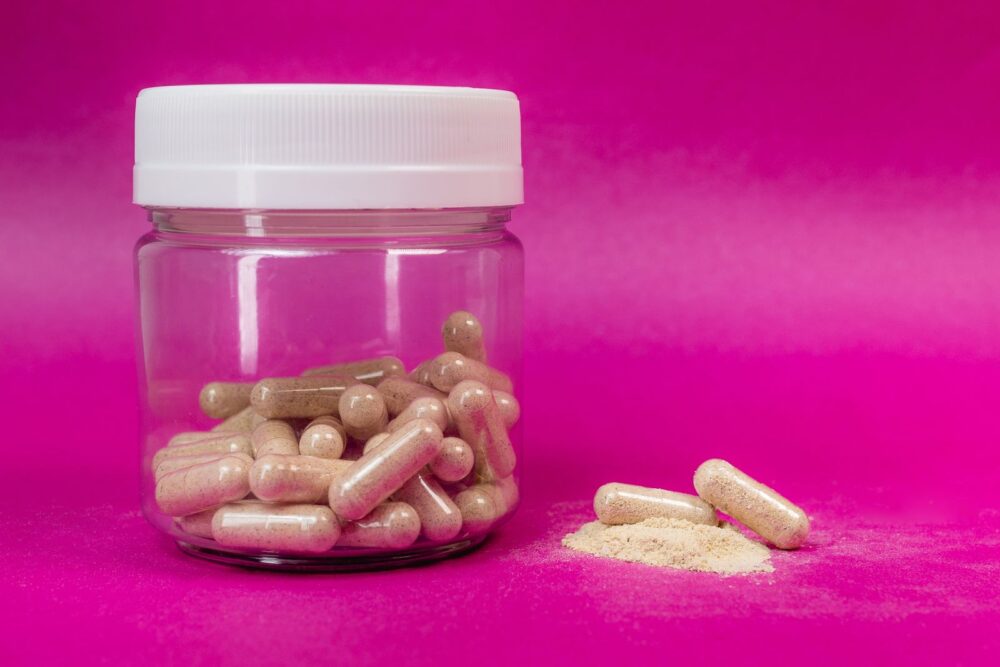
Glutathione and glutamine sound alike, but they are different things. In the glutathione vs glutamine question, the short answer is this: glutamine is a single amino acid, while glutathione is a small antioxidant molecule built from three amino acids. They do different jobs in the body and are sold as separate supplements for different reasons.
This guide explains what each one is, how they are connected, why people take them and how to choose between them sensibly. It is general information, not medical advice.
Glutathione vs Glutamine: The Quick Answer
Here is a side-by-side summary of the main differences.
| Glutathione | Glutamine | |
|---|---|---|
| What it is | A tripeptide (three amino acids joined together) | A single amino acid |
| Made from | Glutamate, cysteine and glycine | Made by the body; also found in protein foods |
| Main role in the body | Works as one of the body’s main antioxidants | Building block for proteins; fuel for gut and immune cells; carries nitrogen |
| Common supplement forms | Capsules, tablets, effervescent tablets, liposomal products | Unflavoured powder, capsules, and as an ingredient in recovery blends |
| Usually bought for | Antioxidant support and, in India, skin-focused products | Gym and recovery routines alongside protein |
What Is Glutathione?
Glutathione is a small molecule made from three amino acids: glutamate, cysteine and glycine. The body makes it on its own, mainly in the liver, and it is found in almost every cell. Its best-known job is acting as an antioxidant, helping to neutralise reactive molecules produced during normal metabolism. It also helps recycle other antioxidants such as vitamins C and E.
Glutathione occurs in small amounts in foods like fruits, vegetables and meat. As a supplement, it is sold in several forms, and research on how well oral glutathione is absorbed is still limited. You can see the forms available in the store’s antioxidant supplements range.
If you are considering it, read our guide to glutathione side effects first.
What Is Glutamine?
Glutamine is the most abundant free amino acid in the body. It is usually described as “conditionally essential”: the body normally makes enough, but needs may rise during periods of heavy physical stress. Glutamine is used to build proteins, it is an important fuel for cells lining the gut and for immune cells, and it helps move nitrogen around the body.
You also get glutamine from everyday protein foods such as milk, curd, paneer, eggs, meat, fish, lentils and soy. Most supplements are an unflavoured powder that mixes easily into water or a shake. Browse the glutamine supplements category to compare options.
How Glutathione and Glutamine Are Connected
The two are linked through glutamate. The body can convert glutamine into glutamate, and glutamate is one of the three building blocks of glutathione. That is why the names look similar and why they are sometimes mentioned together.
This does not mean one can replace the other. Taking glutamine is not the same as taking glutathione, and the body’s glutathione levels depend on many factors, including the supply of cysteine, which is often the limiting building block.
Why People Take Each Supplement
Glutamine
Glutamine is a familiar product for people who train regularly. It is often added to a post-workout shake or used alongside whey protein and BCAAs as part of a recovery routine. Research results on glutamine for muscle growth in healthy people who already eat enough protein are mixed, so it is best seen as an optional extra rather than a must-have. Our article on glutamine for bodybuilding looks at this in more detail.
Glutathione
Glutathione supplements are usually bought for general antioxidant support. In India they are heavily marketed for skin, and many products combine glutathione with vitamin C or other ingredients. Be cautious with bold promises on packaging, and remember that injectable glutathione is a medical procedure, not a supplement.
Choosing and Using Them Safely
Whichever you are looking at, a few simple rules apply:
- Decide what you actually want from the product before you buy, and check whether diet changes could cover it first.
- Read the full ingredient list, not just the front of the pack, especially for blends.
- Follow the label and consult a doctor before use, particularly if you are pregnant, breastfeeding, take regular medicines or have a long-term health condition.
- Buy from an authorised seller so you get a genuine, properly stored product.
- Stop using a product and seek medical advice if you notice any unusual reaction.
For glutamine-specific safety points, see our guide to L-glutamine side effects.
Glutathione vs Glutamine: FAQ
Is glutathione the same as L-glutamine?
No. L-glutamine is a single amino acid. Glutathione is a different molecule made from three amino acids (glutamate, cysteine and glycine).
Does glutamine increase glutathione?
Glutamine can be converted into glutamate, which is one building block of glutathione, but that does not mean a glutamine supplement will raise glutathione levels in a meaningful way. Evidence in healthy people is limited.
Can I take glutathione and glutamine together?
They are different products and are sometimes used by the same person. Follow each product’s label, and check with a doctor before combining supplements, especially if you take any medicines.
Which one is better for gym-goers?
They do different jobs, so neither is “better”. Glutamine is the one more commonly used in training and recovery routines, while glutathione is usually bought for general antioxidant support.

Authenticity Guarantee: Beast Nutrition is an authorized retailer for 100% genuine supplements with official importer tags, batch verification, and FSSAI compliance.
Disclaimer: This content is for informational and educational purposes only. Always consult a physician or certified dietitian before starting any new supplement regimen.
Keep reading
Supplement guides Buying guides & reviews Protein & whey
Synthetic Whey Protein: What It Is and How It Compares
Is whey protein synthetic? Learn how regular whey is made, what animal-free "synthetic" whey is, how the two
Read articleSupplement guides Beginner guides Creatine
Should I Take Creatine on Rest Days? A Simple Guide
Should I take creatine on rest days? Yes, most people take it daily. Learn why, how to take
Read articleSupplement guides Protein & whey
Absorbable Protein: What Makes Protein Easy to Absorb?
What does absorbable protein really mean? Learn how protein is digested, how PDCAAS and DIAAS measure quality, and
Read article