
Supplement guides, Protein & whey
Ready to Drink Protein Shakes vs Powder: A Simple Guide
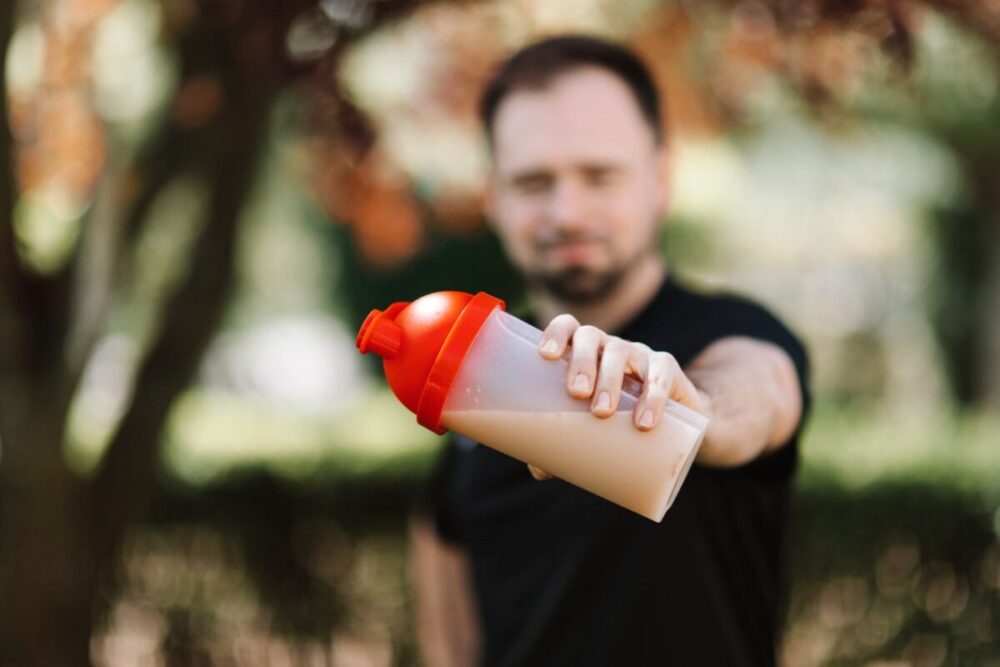
Ready to drink protein shakes are pre-mixed protein drinks sold in bottles, cartons or cans, so you can open one and drink it with no scoop, shaker or water needed. They are a convenient way to top up your protein when you are busy or travelling. Protein powder does the same job for less money per serving, so the right choice depends on how you live and train.
This guide explains what ready-to-drink shakes are, how they compare with powder, and what to check on the label before you buy.
What Are Ready to Drink Protein Shakes?
A ready-to-drink (RTD) shake is a liquid protein drink made in a factory, sealed and packed so it keeps until opened. Most are based on milk proteins such as whey, casein or milk protein concentrate, although plant-based versions also exist. They usually come flavoured, and many add vitamins, minerals, sweeteners or thickeners to improve taste and texture.
Some RTD drinks are designed purely as protein shakes, while others are closer to meal replacements with more carbohydrates and calories. The label tells you which kind you are holding.
Ready to Drink Protein Shakes vs Protein Powder
Both formats can help you reach your daily protein target. The differences are mostly practical:
| Factor | Ready-to-drink shake | Protein powder |
|---|---|---|
| Convenience | Open and drink, no mixing or washing up | Needs a shaker, liquid and a quick clean |
| Cost per serving | Usually higher | Usually lower, especially in larger tubs |
| Portability | Easy to carry, but bulkier and heavier | Light to carry as dry powder |
| Flexibility | Fixed serving size and flavour | Adjust the scoop, liquid and recipe |
| Storage | Sealed packs store well; refrigerate once opened | Long shelf life when kept dry and sealed |
If you like to control exactly how much protein you take, or mix it into oats and smoothies, powder is more flexible. Our guide on mixing whey with water or milk covers the options, and these tips on making a better whey shake can help with taste and texture.
When Ready to Drink Protein Shakes Make Sense
RTD shakes earn their higher price in situations where mixing a shake is awkward:
- Long workdays: keep one in your bag for when a meal is hours away.
- Travel: useful on journeys where you cannot easily wash a shaker.
- Straight after training: handy if you train away from home and do not want to carry powder.
- Trying a flavour: a single drink lets you test a taste before buying a full tub.
For everyday use at home, many people find powder better value and switch to an RTD drink only when convenience matters most. If you prefer something to eat rather than drink, protein bars are another portable option.
How to Read the Label
Packaging can look similar from brand to brand, so check the nutrition panel and ingredient list rather than the front of the pack.
Protein per serving
Look at how many grams of protein one bottle provides and compare it with the total calories. A drink sold as a protein shake should get a good share of its calories from protein.
Protein source
The ingredient list shows whether the protein comes from whey, casein, milk protein, soy or another plant source. This matters if you avoid dairy or prefer a particular type.
Sugar and sweeteners
Some RTD drinks are low in sugar and use sweeteners; others contain more added sugar. Choose the style that fits your goals and taste.
Storage instructions and dates
Check the best-before date and storage guidance. Most RTD shakes need refrigerating once opened and should be finished within the time stated on the pack.
The same label-reading habits apply to powders. Our protein powder buying checklist walks through them step by step.
Practical Tips for Using RTD Shakes
- Treat them as a supplement to meals, not a full replacement for real food.
- Many taste better chilled, so keep a few in the fridge.
- Do not leave an opened bottle in a hot bag or car for hours.
- Count them towards your daily protein total so you do not overdo it.
- Follow the label and consult a doctor before using protein supplements if you have a medical condition.
If you decide powder suits you better, you can browse protein supplements in different types and pack sizes.
Ready to Drink Protein Shakes: FAQ
Are ready to drink protein shakes as good as powder?
They can provide similar protein if the label shows a comparable amount per serving. The main differences are cost, convenience and flexibility rather than quality.
Can I drink an RTD shake instead of a meal?
A standard protein shake is not a balanced meal. Some products are designed as meal replacements, but whole meals with carbohydrates, fats, fibre and vegetables should stay the foundation of your diet.
Do ready to drink shakes need to be refrigerated?
Sealed packs are usually stored at room temperature, but most need refrigerating once opened. Always follow the storage instructions on the pack.

Authenticity Guarantee: Beast Nutrition is an authorized retailer for 100% genuine supplements with official importer tags, batch verification, and FSSAI compliance.
Disclaimer: This content is for informational and educational purposes only. Always consult a physician or certified dietitian before starting any new supplement regimen.
Keep reading
Supplement guides Buying guides & reviews Protein & whey
Synthetic Whey Protein: What It Is and How It Compares
Is whey protein synthetic? Learn how regular whey is made, what animal-free "synthetic" whey is, how the two
Read articleSupplement guides Beginner guides Creatine
Should I Take Creatine on Rest Days? A Simple Guide
Should I take creatine on rest days? Yes, most people take it daily. Learn why, how to take
Read articleSupplement guides Protein & whey
Absorbable Protein: What Makes Protein Easy to Absorb?
What does absorbable protein really mean? Learn how protein is digested, how PDCAAS and DIAAS measure quality, and
Read article