

SUPPLEMENT GUIDES
Whey Protein Concentrate – Is This the Best Protein?
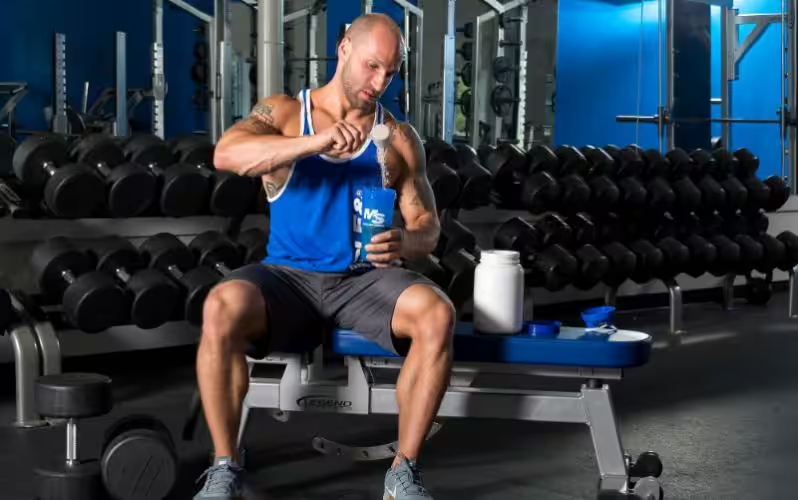
When you start researching whey protein products, you will find that whey comes in three forms. These include whey protein isolate, whey protein hydrolysate, and whey protein concentrate. So, which whey is the right one to aid in your body building endeavors?
It is widely believed now that whey protein isolate is the best choice, because it is whey
in its purest form. However, there are some people who do better with a whey protein concentrate. Whey protein isolates do not contain any lactose, fat, or carbohydrates. While this may be great for someone who is in good shape already, it really isn’t necessarily the best choice for someone who needs to build muscle and gain a little weight as well.
In this case, the whey concentrate is indeed the better choice. Whey concentrates do have little fat and cholesterol, but also have a high amount of carbohydrates.
It is important to note that while whey isolate has about 90% pure protein, whey concentrate does not have as much pure protein. In fact, the more lactose and carbohydrates that the whey concentrate has, the less pure protein it has. A whey concentrate has anywhere from 29% to 89% protein, with the higher quality whey concentrate having the greatest amount. It is important that you read labels, and find the one with the highest level of pure protein, even though it will cost more than the other whey concentrate products.
A quality whey concentrate, however, will cost less than whey isolate products, which is a bonus for those who want less lactose and carbohydrates. Protein supplements are expensive, and not everyone can afford the high quality products. Even though there is just a 1% difference between a whey protein isolate and a quality whey protein concentrate, the difference in cost is usually pretty great.
So, how much whey protein concentrate do you need? Most experts agree that for physic athletes, including bodybuilders, one and a half grams of protein per pound of body weight is optimum. But you may wish to experiment to find the exact amount that works best for you. Start at one gram of protein per pound of bodyweight and work your way up slowly as your body progresses.
Whey protein concentrate should not be taken in its original packaged form. It should be mixed with a liquid, such as fruit juice, but it should not be mixed with a dairy product, like milk. Also, you may not want to start at the full 30 grams per feed. Instead, you may want to work up to that, so that you don’t risk constipation and other side effects.
With all of that said, however, one must be cautious about using it as these products are considered high dairy products, and if you are lactose intolerant, you may have serious problems with a whey protein concentrate, and may need to opt for a whey protein isolate instead.
[ad_2]Source by Craig Doyle

Authenticity Guarantee: Beast Nutrition is an authorized retailer for 100% genuine supplements with official importer tags, batch verification, and FSSAI compliance.
Disclaimer: This content is for informational and educational purposes only. Always consult a physician or certified dietitian before starting any new supplement regimen.
Keep reading
SUPPLEMENT GUIDES
Natural Protein Powder: How to Read the Label
What does natural protein powder really mean? Learn how to read the label, compare whey and plant options,
Read articleSUPPLEMENT GUIDES
Best Whey Protein Brands: How to Judge a Brand
Looking for the best whey protein brands? Learn how to judge any brand by its label, whey type,
Read articleSUPPLEMENT GUIDES
Plant Protein vs Whey Protein: Which Should You Pick?
Plant protein vs whey protein: compare sources, lactose, amino acids, taste and diet fit to choose the right
Read article