

Supplement guides, Diet & nutrition, Muscle building, Women's health & fitness
Supplements for Female Bodybuilders: A Simple Guide
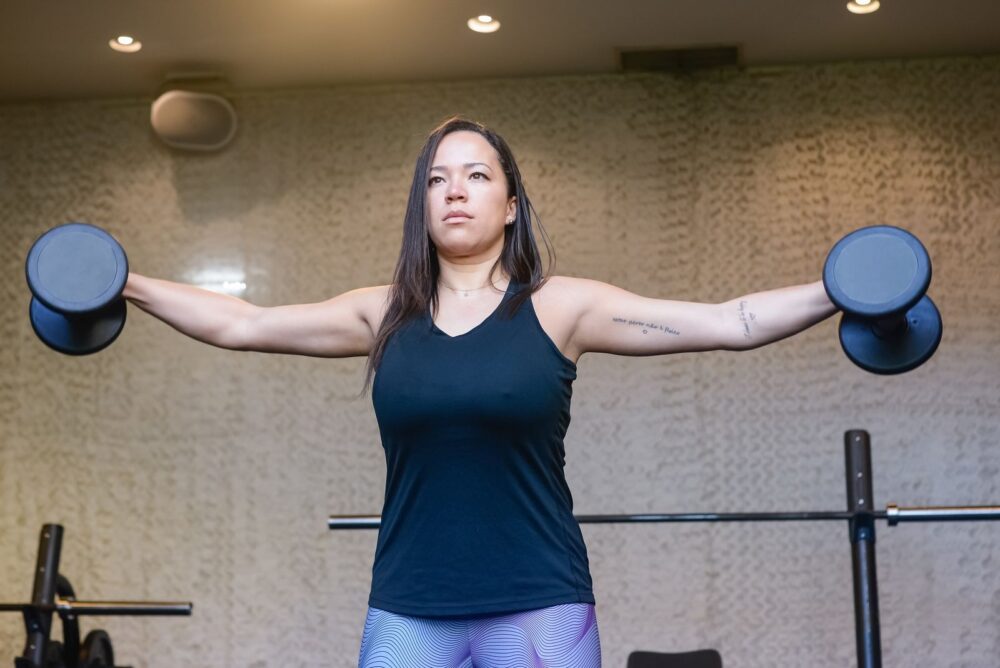
The best supplements for female bodybuilders are usually the simple ones: protein powder to help meet daily protein needs, creatine for strength training, and vitamins or minerals only where your diet or a blood test shows a gap. Food, training and sleep do most of the work. Supplements are there to fill gaps, not to replace a good diet.
This guide covers the supplements most often used by women who lift, what each one does, which ones to be careful with and how to choose good-quality products.
Do Female Bodybuilders Need Supplements?
Not always. Many women build muscle well on a balanced diet with enough protein, carbohydrates, healthy fats, fruit and vegetables. Supplements become useful when:
- you struggle to eat enough protein from food alone;
- your training is intense and you want convenient options;
- you follow a vegetarian or vegan diet and need to plan certain nutrients carefully; or
- a doctor has found a deficiency, such as low iron or vitamin D.
Start with your diet, then add supplements one at a time so you can tell what is helping.
Protein Powder
Protein is the main building block for muscle repair. Many active women find it hard to hit their protein target with meals alone, especially on a vegetarian diet. A protein powder is a convenient way to close that gap.
- Whey concentrate is a good all-round choice for most people.
- Whey isolate has less lactose and fat, which some women prefer.
- Plant protein suits those who avoid dairy.
There is no special “women’s protein” requirement. A standard protein powder works the same way for women and men. If your goal is fat loss alongside training, our guide to protein powder for women’s weight loss explains what to look for. You can compare options in our protein range.
Creatine
Creatine monohydrate is one of the most researched sports supplements. It helps muscles produce energy during short, intense efforts such as heavy lifting, and it is widely used by both women and men.
The original version of this article suggested switching between creatine and glutamine week by week and compared them with steroids. That advice was wrong. Creatine and glutamine are very different, neither works like a hormone, and there is no need to alternate them. Creatine is usually taken daily and consistently.
Some women notice a small rise in scale weight when they start creatine, mostly from extra water stored in the muscles. Read our simple rules on how to take creatine and browse our creatine range.
Vitamins and Minerals
Women who train hard sometimes fall short on a few key nutrients. The most common ones to discuss with a doctor are:
- Iron: women have higher iron needs during their menstruating years. Only take iron supplements if a blood test shows you need them, as too much iron can be harmful.
- Calcium: important for bones. Dairy, paneer, curd, ragi and fortified foods are good sources.
- Vitamin D: many people in India have low levels despite the sunshine. A blood test is the best way to know.
A basic multivitamin can act as a safety net if your diet is limited, but it is not a substitute for varied meals. See our multivitamin range if you decide one suits you.
Omega-3 Fatty Acids
Omega-3 fats are found in oily fish, walnuts, flaxseed and chia seeds. If you rarely eat these foods, a fish oil or algae-based omega-3 supplement is one way to add them. Choose products that clearly state the EPA and DHA content per serving.
Supplements to Be Careful With
Some products marketed to women who lift deserve extra caution:
- Fat burners: many rely on high doses of caffeine or stimulants and can cause jitteriness, poor sleep or a racing heart.
- “Hormone” or “testosterone” boosters: these are aimed at men and are not appropriate for most women.
- Large supplement stacks: taking many products at once makes it hard to know what is working and raises the risk of side effects.
Avoid any product that promises fast, dramatic results.
How to Choose Quality Supplements
- Buy from an authorised seller and check the seal and batch details.
- Look for an FSSAI licence number on the label, and importer details for imported products.
- Read the full ingredient list, not just the front of the pack.
- Compare protein or active ingredient per serving and price per serving.
Follow the label directions and consult a doctor before starting supplements, especially if you are pregnant, breastfeeding, have a medical condition or take medication.
Frequently Asked Questions
Is creatine safe for women?
Creatine monohydrate is widely used by healthy adults, including women. Follow the label and speak to a doctor first if you have kidney problems or any medical condition.
Will protein powder make women bulky?
No. Protein powder simply adds protein to your diet. Muscle size depends on your training, total calories and genetics.
What is the most important supplement for female bodybuilders?
For most women, the most useful step is meeting daily protein needs. A protein powder is often the most practical supplement for that.

Authenticity Guarantee: Beast Nutrition is an authorized retailer for 100% genuine supplements with official importer tags, batch verification, and FSSAI compliance.
Disclaimer: This content is for informational and educational purposes only. Always consult a physician or certified dietitian before starting any new supplement regimen.
Keep reading
Supplement guides Buying guides & reviews Protein & whey
Synthetic Whey Protein: What It Is and How It Compares
Is whey protein synthetic? Learn how regular whey is made, what animal-free "synthetic" whey is, how the two
Read articleSupplement guides Beginner guides Creatine
Should I Take Creatine on Rest Days? A Simple Guide
Should I take creatine on rest days? Yes, most people take it daily. Learn why, how to take
Read articleSupplement guides Protein & whey
Absorbable Protein: What Makes Protein Easy to Absorb?
What does absorbable protein really mean? Learn how protein is digested, how PDCAAS and DIAAS measure quality, and
Read article