

Diet & nutrition, Weight loss & fat loss
Intermittent Fasting for Weight Loss: Does It Work?
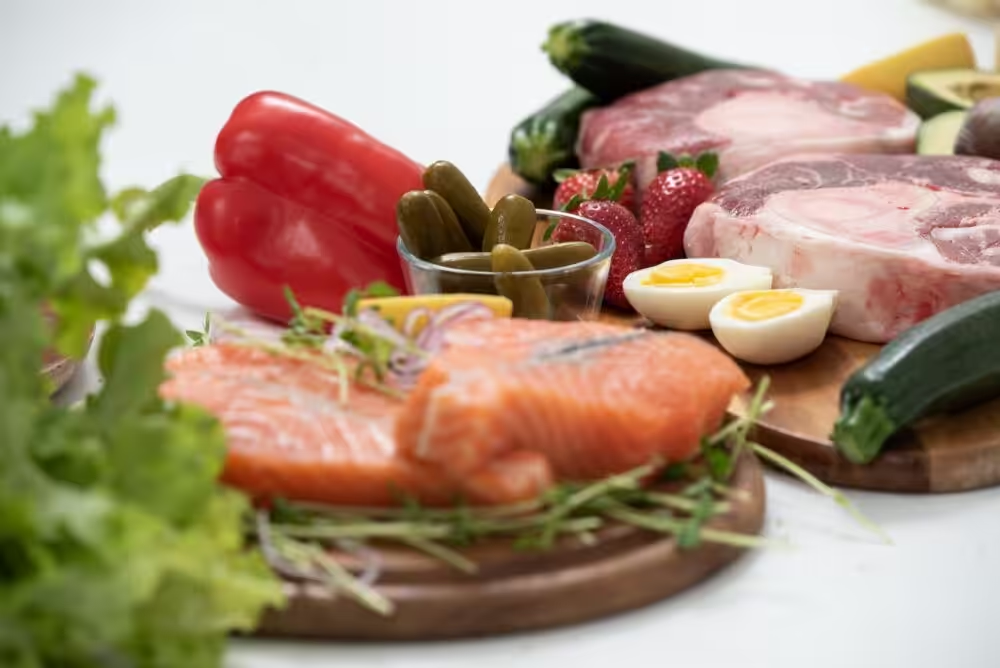
Intermittent fasting for weight loss works mainly because it shortens the time you spend eating, which makes it easier for many people to eat fewer calories. It is not magic, and it does not beat other diets when total calories are the same, but if a fixed eating window suits your routine, it can be a simple and sustainable way to lose weight.
This guide explains the main intermittent fasting methods, how it helps with weight loss, how to start safely, what to eat in your eating window, and who should avoid it.
What Is Intermittent Fasting?
Intermittent fasting (IF) is an eating pattern rather than a diet. It does not tell you which foods to eat. Instead, it sets when you eat and when you fast. Water, plain black coffee and unsweetened tea are usually allowed during the fasting period.
The most common methods are:
- 16:8: fast for 16 hours and eat within an 8-hour window, for example from 12 pm to 8 pm. Most people do this by skipping breakfast or a late-night snack.
- 14:10: a gentler version with a 10-hour eating window, often a good starting point.
- 5:2: eat normally for five days a week and eat much less on two non-consecutive days.
- 24-hour fasts: a full day without food once or twice a week. This is harder to sustain and is not recommended for beginners.
The 16:8 method is the most popular because it fits easily around work and family meals and does not ban any food groups.
Does Intermittent Fasting Help With Weight Loss?
Yes, it can, mostly for one simple reason: a shorter eating window usually means fewer meals and snacks, so you end up eating fewer calories than you burn. That calorie deficit is what drives fat loss. You can estimate your daily needs with our free calorie calculator.
A few things are worth knowing before you start:
- Calories still count. If you overeat or rely on fried snacks and sweets during your eating window, you may not lose weight at all.
- It is not better than other diets for everyone. When calories are matched, intermittent fasting tends to give similar results to a regular calorie-controlled diet. The best plan is the one you can stick to.
- It can make eating simpler. Many people like having fewer food decisions and a clear “kitchen closed” time in the evening.
- Results take time. Expect gradual progress over several weeks, not days.
How to Start Intermittent Fasting
Starting gradually makes IF much easier to stick with.
- Pick a realistic window. Begin with a 12-hour overnight fast (for example 8 pm to 8 am), then move to 14:10 and later 16:8 if it feels comfortable.
- Fit it around your life. Choose a window that lets you eat with family and fuel your workouts. If you train in the evening, a 12 pm to 8 pm window often works well.
- Stay hydrated. Drink plenty of water through the fasting hours. Plain black coffee, green tea or unsweetened tea can help with hunger.
- Plan your meals. Decide in advance what your first and last meals will be so you do not break your fast with whatever is nearby.
- Be flexible. Festivals, travel and late dinners happen. Missing a day does not undo your progress.
What to Eat During Your Eating Window
Intermittent fasting works best when the meals you do eat are balanced and filling. Aim for:
- Protein at every meal: dal, paneer, curd, eggs, chicken, fish, soya or chana. Protein helps you feel full and supports muscle while you lose weight. See our list of high protein Indian foods for ideas.
- Fibre-rich carbohydrates: whole wheat roti, brown or regular rice in sensible portions, oats, millets, vegetables and fruit.
- Some healthy fats: nuts, seeds and a little ghee or oil for cooking.
- Fewer ultra-processed foods: limit namkeen, biscuits, sweets and sugary drinks, which add calories quickly without keeping you full.
If you find it hard to reach your protein target in a shorter window, a scoop from our range of protein powders can be a convenient addition to a meal. Follow the label for serving size.
A simple 16:8 day
- 12 pm (first meal): two rotis, dal, a bowl of sabzi and curd.
- 4 pm (snack): fruit with a handful of roasted chana or a protein shake.
- 7:30 pm (last meal): rice or roti with paneer, chicken or fish and a large salad.
Possible Side Effects and Who Should Avoid It
Many healthy adults do well with intermittent fasting, but it is not for everyone. In the first week or two, some people notice hunger, tiredness, headaches, irritability or trouble sleeping. These usually settle as the body adjusts, but if they do not, a longer eating window may suit you better.
Speak to a doctor before trying intermittent fasting if you:
- are pregnant, breastfeeding or trying to conceive;
- have diabetes or take medicines that affect blood sugar or blood pressure;
- have a history of eating disorders;
- are under 18, older and frail, or have any ongoing health condition.
Stop and seek advice if you feel dizzy, faint or unwell while fasting.
Intermittent Fasting vs Other Diets
Unlike diets that remove whole food groups, intermittent fasting only limits the timing of meals. That makes it easy to combine with other approaches. Some people pair it with a lower-carb style of eating such as the ketogenic diet, while others simply follow a balanced Indian diet within their window.
If you prefer eating breakfast or find fasting makes you overeat later, a regular calorie-controlled diet with three meals is just as valid. Choose the pattern you can follow for months, not just a few weeks.
Frequently Asked Questions
Can I drink tea or coffee while intermittent fasting?
Plain black coffee, green tea and unsweetened black tea are generally fine during the fast. Adding milk and sugar adds calories, so keep chai with milk for your eating window.
Can I take whey protein while intermittent fasting?
Yes, but drink it during your eating window, as it contains calories and will break the fast. Read more in our guide to whey protein for weight loss.
Is it okay to work out while fasting?
Light exercise is usually fine for healthy adults. For hard training sessions, many people feel better training during or just before their eating window so they can eat a proper meal afterwards.
How long does it take to see results?
It varies with your starting point, food choices and activity. Most people need several weeks of consistent effort to see clear changes on the scale or in how their clothes fit.

Authenticity Guarantee: Beast Nutrition is an authorized retailer for 100% genuine supplements with official importer tags, batch verification, and FSSAI compliance.
Disclaimer: This content is for informational and educational purposes only. Always consult a physician or certified dietitian before starting any new supplement regimen.
Keep reading
Supplement guides Buying guides & reviews Diet & nutrition Vitamins & wellness
Vegan B12 Supplement: How to Choose the Right One
Choosing a vegan B12 supplement? Learn the common forms of vitamin B12, how to check a label is
Read articleSupplement guides Buying guides & reviews Creatine Diet & nutrition
Is Creatine Vegetarian? A Label-Reading Guide
Is creatine vegetarian? Learn where supplement creatine comes from, how vegetarian and vegan differ, and what to check
Read articleSupplement guides Buying guides & reviews Diet & nutrition Protein & whey
Protein Supplements for Vegetarians: A Buyer’s Guide
Looking for protein supplements for vegetarians? Learn the difference between whey, casein and plant protein, and how to
Read article