
SUPPLEMENT GUIDES
Whey Protein for Muscle Gain: What It Can and Can’t Do
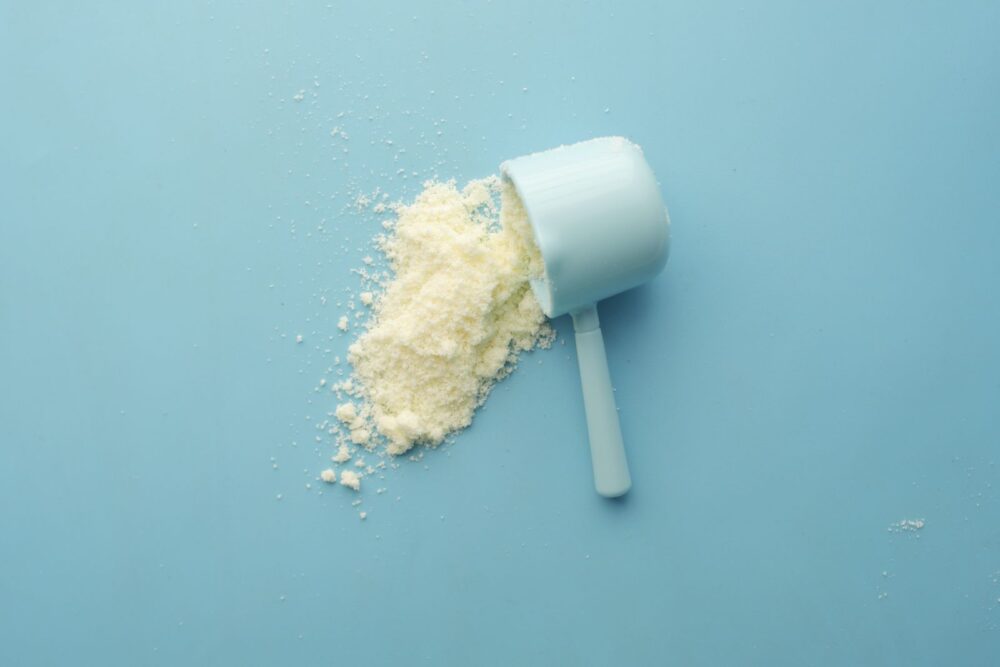
Whey protein for muscle gain works as a convenient way to top up your daily protein, not as a shortcut. It will not make you “buff” on its own: muscle grows from consistent strength training, enough total protein and calories, and good recovery. Whey simply makes the protein part easier to hit.
This guide keeps the original point of the old article, that whey is a supplement and not a replacement for real food, and explains how to use it sensibly when your goal is building muscle.
Does Whey Protein Make You Buff?
No supplement builds muscle by itself. Your muscles adapt to the training you give them, and your diet supplies the raw materials and energy for that repair and growth. Whey protein is one of those raw materials. It is a high-quality protein made from milk, it mixes easily, and it supplies all the essential amino acids, including leucine.
So the honest answer is: whey can support muscle gain when your training and overall diet are already in place. If your training is inconsistent or you are not eating enough, adding a shake will make little visible difference.
How Muscle Gain Actually Happens
Think of muscle gain as three pieces that all need to be present:
- Progressive training: lifting with good form and gradually increasing the weight, reps or sets over weeks and months.
- Enough protein: spread across your meals through the day, from food first and supplements where needed.
- Enough calories: most people need to eat a little more than they burn to add new muscle at a steady pace.
Sleep and rest days matter too, because muscle is repaired between sessions, not during them. Our guide to daily protein needs explains how to estimate your own protein target.
Where Whey Protein Fits in a Muscle Building Diet
Whey is just protein (plus small amounts of carbohydrate and fat, depending on the type). It does not provide the fibre, vitamins and minerals you get from whole foods, so it should sit alongside a proper diet rather than replace it.
Good whole-food protein sources include eggs, chicken, fish, paneer, curd, milk, dal, chana, rajma and soya. A practical approach is to build each meal around one of these and use whey to fill the gap on days when you fall short. For most people that means one or two shakes a day at most, rather than relying on shakes for most of their protein.
Choosing a type of whey
| Type | What it is | Good fit for |
|---|---|---|
| Whey concentrate | Less filtered, with a little more lactose and fat | Most people on a budget who digest dairy well |
| Whey isolate | Filtered further for a higher protein share and less lactose | People who want fewer extra calories or are sensitive to lactose |
| Whey blend | A mix of concentrate and isolate | A middle ground on price and protein per scoop |
You can compare options in our protein supplements range, and our beginner’s guide to whey protein covers the types in more detail.
When to Take Whey Protein for Muscle Gain
Whey digests fairly quickly, which makes it handy at times when a full meal is not practical. Common options are:
- After training: a convenient way to get protein in soon after your session, especially if your next meal is a few hours away.
- Between meals: a simple way to raise your total protein for the day.
- With breakfast: blended into oats or a smoothie if your morning meal is usually low in protein.
Timing matters far less than your total protein across the whole day. If you are consistent with your daily target, the exact minute you drink your shake is a minor detail. Follow the serving directions on the product label.
Using Whey When You Want to Bulk Up
If you struggle to gain weight, protein alone may not be enough; you probably need more total calories as well. A whey shake can be made more filling and higher in calories by blending it with milk, a banana, oats or peanut butter. This is often more useful than switching straight to a mass gainer.
To find a sensible starting point for your daily intake, try our calorie calculator, then add a few hundred calories from food if your weight is not moving after a few weeks. If you are naturally slim, our article on whey protein for skinny guys goes into bulking in more depth.
Common Mistakes to Avoid
- Replacing meals with shakes: you miss out on the nutrients whole foods provide.
- Expecting fast results: visible muscle gain takes months of steady training, not a few weeks of supplements.
- Taking more than you need: extra scoops above your protein target do not build extra muscle.
- Ignoring the label: follow the serving size on the product and check the ingredient list.
- Buying from unverified sellers: choose authentic, sealed products with clear labelling.
If you have a medical condition, a dairy allergy, kidney concerns or take regular medication, speak to a doctor before adding protein supplements.
Frequently Asked Questions
Can I build muscle with whey protein without going to the gym?
Not in a meaningful way. Muscle grows in response to training. Without regular resistance exercise, extra protein is simply used as energy like any other food.
How many scoops of whey should I take a day?
Follow the serving directions on the label and treat whey as a top-up to your food. Most people only need it to cover the gap between what they eat and their daily protein target.
Is whey better than food for building muscle?
No. Whey is more convenient, not more effective. Whole foods give you protein plus fibre, vitamins and minerals, so they should form most of your diet.
Do I need a mass gainer instead of whey?
Only if you cannot eat enough calories from food and whey shakes. Many people do well by adding milk, oats or peanut butter to a regular whey shake first.

Authenticity Guarantee: Beast Nutrition is an authorized retailer for 100% genuine supplements with official importer tags, batch verification, and FSSAI compliance.
Disclaimer: This content is for informational and educational purposes only. Always consult a physician or certified dietitian before starting any new supplement regimen.
Keep reading
SUPPLEMENT GUIDES
Natural Protein Powder: How to Read the Label
What does natural protein powder really mean? Learn how to read the label, compare whey and plant options,
Read articleSUPPLEMENT GUIDES
Best Whey Protein Brands: How to Judge a Brand
Looking for the best whey protein brands? Learn how to judge any brand by its label, whey type,
Read articleSUPPLEMENT GUIDES
Plant Protein vs Whey Protein: Which Should You Pick?
Plant protein vs whey protein: compare sources, lactose, amino acids, taste and diet fit to choose the right
Read article