

Diet & nutrition, Supplement guides, Weight loss & fat loss, Workouts & training
How to Lose Belly Fat: Realistic Steps That Work
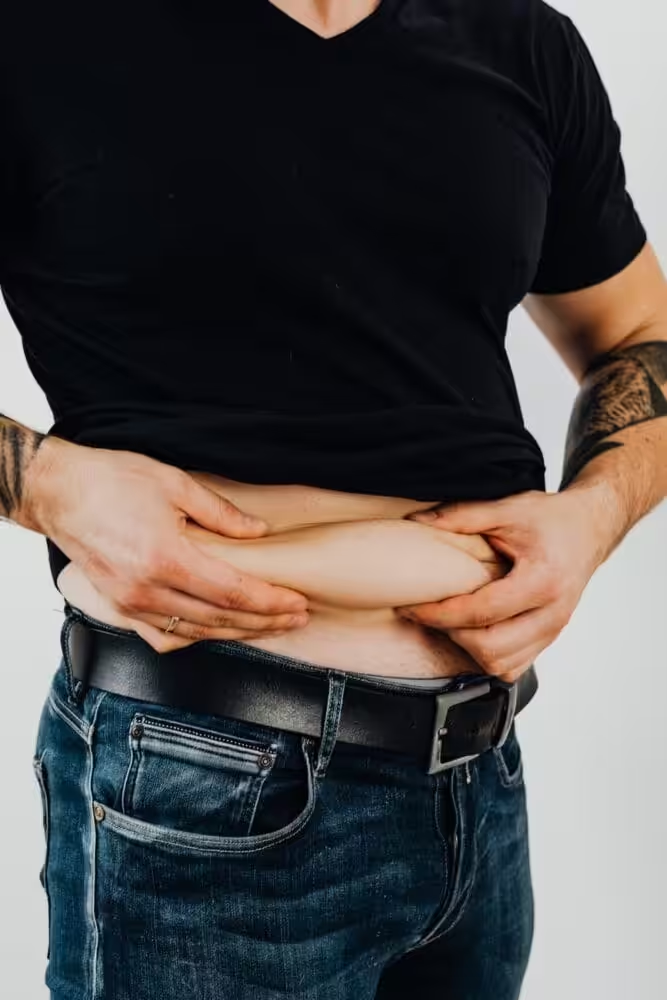
If you want to know how to lose belly fat, the honest answer is that you cannot burn fat from your stomach alone, and you cannot lose it in 10 days. Belly fat goes down when your overall body fat goes down, through a steady calorie deficit, enough protein, regular strength training and good sleep. Stick with those for a few months and your waistline will follow.
This guide replaces quick-fix promises with steps that work, explains why the belly is often the last place to slim down, and shows you how to track real progress.
Can You Lose Belly Fat in 10 Days?
Not in any meaningful way. Fat loss is gradual, and a realistic pace for most people is around 0.25 to 1 kg of body weight a week. In the first week or two you may see the scale drop faster, but much of that is water and less food in your gut, not fat.
What can change quickly is bloating. Cutting down on salty, fried and highly processed foods, drinking enough water and eating regular meals can make your stomach look and feel flatter within days. That is a good start, but treat it as the first step of a longer plan, not the finish line.
Why Belly Fat Is Hard to Shift
Your body decides where it stores and loses fat, largely based on genetics, age, sex and hormones. Many people, especially men, store fat around the middle first and lose it from there last.
That is also why endless crunches do not flatten the stomach on their own. Exercising a muscle does not burn the fat sitting on top of it. We explain this in detail in our article on the spot reduction myth.
There are two kinds of belly fat. Subcutaneous fat sits under the skin and is the soft fat you can pinch. Visceral fat sits deeper, around the organs. Both respond to the same habits: overall fat loss, regular activity and a better diet.
How to Lose Belly Fat: 7 Steps That Work
1. Eat in a modest calorie deficit
To lose fat, you need to eat slightly fewer calories than you burn. Crash diets backfire, so aim for a small, steady deficit you can keep up. Our calorie calculator gives you a starting point.
2. Get enough protein
Protein keeps you full and helps you hold on to muscle while you lose fat. Include a protein source such as dal, paneer, curd, eggs, chicken, fish, soya or chana in every meal.
3. Cut liquid calories and added sugar
Sugary drinks, packaged juices, sweetened chai and coffee, and alcohol add a lot of calories without filling you up. Swapping them for water, buttermilk or unsweetened tea is one of the easiest changes you can make.
4. Fill up on fibre
Vegetables, fruit, oats, millets, beans and whole grains are filling and slow to digest, which makes eating less feel easier.
5. Lift weights and add cardio
Strength training two to four times a week builds muscle and helps you look leaner as you lose fat. Add cardio you enjoy, such as brisk walking, cycling, swimming or short HIIT sessions, to burn extra calories. Core exercises like planks are great for strength and posture, but they work best alongside the rest of the plan.
6. Move more every day
Daily movement outside the gym adds up. Take the stairs, walk after meals and aim to increase your daily step count gradually.
7. Sleep well and manage stress
Short sleep and constant stress tend to increase hunger and cravings and make it harder to stay consistent. Aim for seven to nine hours of sleep and find a way to unwind, whether that is yoga, a walk or time with friends.
What to Eat to Lose Belly Fat
No single food burns belly fat, but some meals make a calorie deficit much easier. Build most of your plates like this:
- Half the plate: vegetables or salad.
- A quarter: a protein source such as dal, paneer, tofu, eggs, chicken or fish.
- A quarter: carbohydrates such as roti, rice, millets or oats in sensible portions.
- Small extras: a little ghee or oil, nuts or seeds.
Easy swaps include roasted chana instead of namkeen, curd or fruit instead of sweets, and homemade meals instead of frequent takeaways.
Do Supplements Help You Lose Belly Fat?
Supplements cannot replace diet, training and sleep, and no product can target belly fat. Some can make your plan easier to follow:
- Protein powder is a convenient way to reach your protein target when meals fall short.
- Fat-loss products such as L-carnitine or green tea based formulas are optional extras at best. Browse our fat loss supplements if you want to explore them, but keep expectations realistic.
- Apple cider vinegar is popular, but it is not a fat burner. If you use it, dilute it and follow the label.
Always follow the label and consult a doctor before using any supplement, especially if you have a health condition or take medication.
How to Track Your Progress
The scale alone can be misleading, because water and food weight change from day to day. Use a few measures together:
- Waist measurement: measure around your belly button at the same time each week, before breakfast.
- Weekly average weight: weigh yourself a few times a week and compare averages.
- Photos and fit of clothes: often the clearest sign of change.
- Body fat estimate: our body fat calculator gives a rough guide you can track over time.
If your waist is not changing after three or four weeks, review your portions, drinks and daily activity before making big changes.
Frequently Asked Questions
Do crunches burn belly fat?
Crunches strengthen your abdominal muscles, but they do not burn the fat covering them. You need overall fat loss for your abs to show.
How long does it take to lose belly fat?
It depends on how much fat you have to lose and how consistent you are. Most people notice a smaller waist within a few weeks and bigger changes over a few months.
Does apple cider vinegar burn belly fat?
There is no good evidence that apple cider vinegar targets belly fat. A calorie deficit, protein, training and sleep matter far more.
Why is lower belly fat the last to go?
Your genetics and hormones decide the order in which you lose fat. For many people, the lower belly is simply the last area to slim down, so patience is part of the process.

Authenticity Guarantee: Beast Nutrition is an authorized retailer for 100% genuine supplements with official importer tags, batch verification, and FSSAI compliance.
Disclaimer: This content is for informational and educational purposes only. Always consult a physician or certified dietitian before starting any new supplement regimen.
Keep reading
Supplement guides Buying guides & reviews Protein & whey
Synthetic Whey Protein: What It Is and How It Compares
Is whey protein synthetic? Learn how regular whey is made, what animal-free "synthetic" whey is, how the two
Read articleSupplement guides Beginner guides Creatine
Should I Take Creatine on Rest Days? A Simple Guide
Should I take creatine on rest days? Yes, most people take it daily. Learn why, how to take
Read articleSupplement guides Protein & whey
Absorbable Protein: What Makes Protein Easy to Absorb?
What does absorbable protein really mean? Learn how protein is digested, how PDCAAS and DIAAS measure quality, and
Read article