SUPPLEMENT GUIDES
Weight Gain for Athletes: How to Bulk Up for Sport
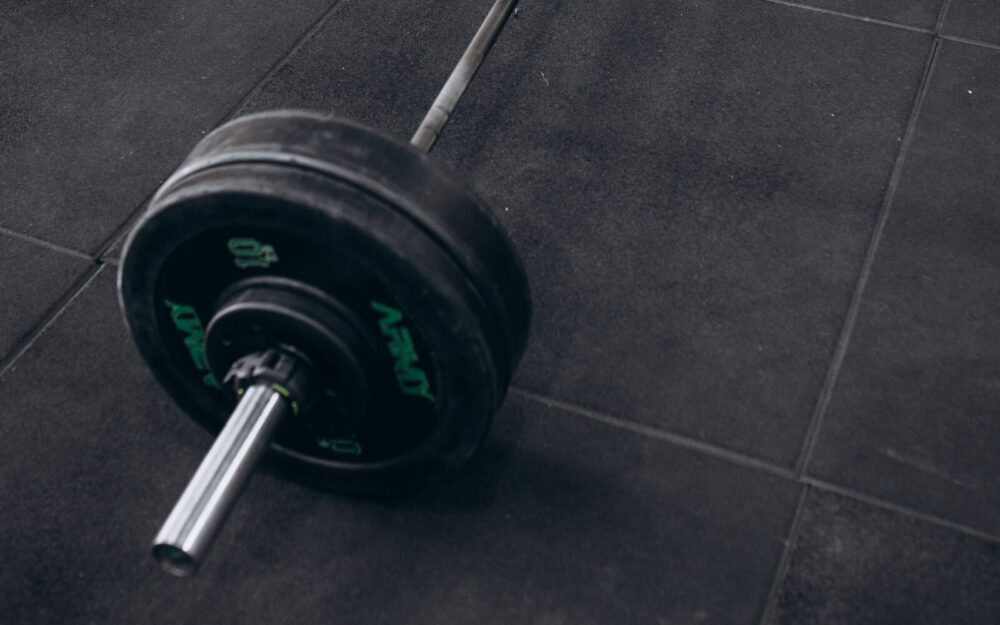
Weight gain for athletes means adding useful size, mostly muscle, so you can hold your ground in sports such as rugby, wrestling, boxing or bodybuilding. It comes down to eating more calories than you burn, getting enough protein and training hard enough that the extra food is used to build muscle rather than stored as fat. Weight gainer shakes can help when food alone is not enough, but they are a tool, not the plan.
This guide keeps the practical angle of the original article, which looked at how rugby players and bodybuilders use weight gainers, and updates it with a clearer, step-by-step approach.
Why Athletes Need to Gain Weight
In contact and strength sports, extra body mass can be an advantage. A heavier rugby forward is harder to move in a scrum or ruck, and a stronger, bigger wrestler or boxer may move up a weight class with confidence. In bodybuilding the goal is simply more muscle on the frame.
The key word is useful weight. Gaining fat quickly may raise the number on the scale but can slow you down, reduce endurance and make conditioning harder. A steady gain built on muscle is what most athletes and coaches aim for.
How Weight Gain for Athletes Works
Three things need to line up:
- A calorie surplus: you need to eat more than you burn. Hard training sessions burn a lot of energy, so athletes often need more food than they expect.
- Enough protein: protein supplies the building blocks for muscle repair and growth. Spread it across your meals.
- Progressive training: strength work that gets gradually harder gives your body a reason to turn the extra food into muscle.
A sensible way to start is to estimate your daily needs with our calorie calculator, then add a modest surplus and track your weight once a week. If the scale has not moved after two or three weeks, add a little more food. If you are gaining very fast, pull back slightly.
Build Your Diet Around Real Food First
Whole foods should make up most of your intake because they bring fibre, vitamins and minerals along with the calories. Good options for athletes trying to bulk up include:
- Rice, roti, oats, potatoes and poha for carbohydrates
- Eggs, chicken, fish, paneer, curd and milk for protein
- Dal, chana, rajma and soya chunks for plant protein
- Peanut butter, nuts, seeds and ghee in sensible amounts for extra calories
Eating three solid meals plus two or three snacks makes it easier to reach a high calorie target without feeling stuffed. For more ideas, see our guide to weight gain foods.
Where Weight Gainer Supplements Fit
A weight gainer (often sold as a mass gainer) is a powder that mixes carbohydrates with protein, and sometimes added ingredients such as creatine or glutamine. Many gainers are mostly carbohydrate with a smaller share of protein. Their main job is to add calories in a drink, which helps athletes who struggle to eat enough.
Advantages
- Convenient: mix with water or milk in a shaker and drink it after training or between meals.
- Easy to drink: liquid calories are often easier to get down than another large plate of food.
- Useful for busy schedules: handy on training days, travel days or when appetite is low.
Disadvantages
- Easy to overdo: if your diet is already enough, the extra calories may be stored as fat.
- Not a full meal: most gainers lack the fibre and micronutrients of whole food.
- Not for everyone: if you only need more protein rather than more calories, a regular whey protein may suit you better.
If you are unsure which one you need, our comparison of mass gainer vs whey protein explains the difference in detail.
How to Choose a Weight Gainer
The original article suggested narrowing your options down to a few products and comparing what you get per serving. That is still good advice. When you compare labels, check:
| What to check | Why it matters |
|---|---|
| Calories per serving | Tells you how much the shake adds to your daily intake |
| Protein vs carbohydrate split | Higher-protein gainers suit athletes who want a leaner gain |
| Sugar content | Some gainers rely heavily on simple sugars |
| Serving size and servings per pack | Helps you work out real value, not just pack price |
| Added ingredients | Creatine or other extras may duplicate supplements you already take |
You can compare options in our mass gainer range, and our guide on how to choose a mass gainer walks through label reading step by step. Follow the serving directions on the label rather than doubling up to gain faster.
Training and Recovery Tips for Bulking Athletes
- Keep lifting heavy: base your gym work on compound lifts such as squats, deadlifts, presses and rows.
- Balance conditioning: rugby and combat athletes still need fitness work, so plan extra food on high-volume days.
- Sleep well: recovery between sessions is when muscle is rebuilt.
- Be patient: lasting size is built over months, not weeks.
If you have a medical condition, food allergies or take regular medication, speak to a doctor or a qualified sports dietitian before making big changes to your diet or adding supplements. Younger athletes should get advice from a coach and a doctor first.
Frequently Asked Questions
How fast should an athlete gain weight?
Slow and steady is best. A gradual weekly gain gives your body time to build muscle and keeps fat gain lower. A coach or sports dietitian can help set a rate that suits your sport and season.
Can I gain weight for sport without supplements?
Yes. Many athletes gain weight with food alone. Supplements simply make it easier to reach high calorie and protein targets when appetite or time is limited.
When should I drink a weight gainer?
Common times are after training or between meals. Avoid using it to replace proper meals, and follow the serving directions on the label.

Authenticity Guarantee: Beast Nutrition is an authorized retailer for 100% genuine supplements with official importer tags, batch verification, and FSSAI compliance.
Disclaimer: This content is for informational and educational purposes only. Always consult a physician or certified dietitian before starting any new supplement regimen.
Keep reading
SUPPLEMENT GUIDES
Natural Protein Powder: How to Read the Label
What does natural protein powder really mean? Learn how to read the label, compare whey and plant options,
Read articleSUPPLEMENT GUIDES
Best Whey Protein Brands: How to Judge a Brand
Looking for the best whey protein brands? Learn how to judge any brand by its label, whey type,
Read articleSUPPLEMENT GUIDES
Plant Protein vs Whey Protein: Which Should You Pick?
Plant protein vs whey protein: compare sources, lactose, amino acids, taste and diet fit to choose the right
Read article