

Supplement guides, Beginner guides, Muscle building
Bodybuilding for Beginners: A Simple Starter Guide
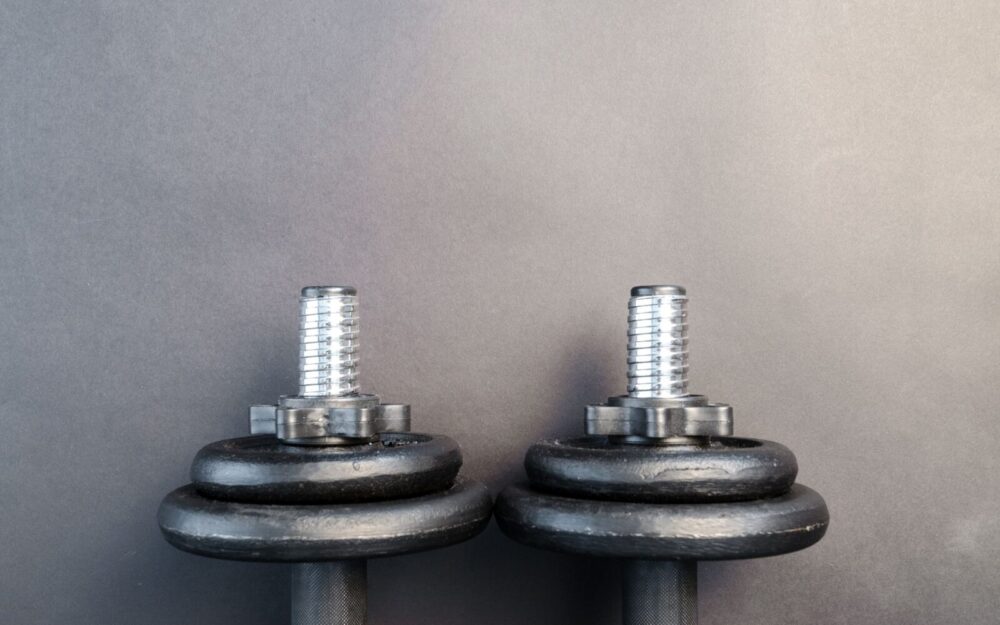
Bodybuilding for beginners comes down to three things: train your whole body with good form, eat enough calories and protein to support recovery, and rest well. Progress comes from doing these consistently for months, not from finding a secret programme or product.
This starter guide gives you simple rules for training, nutrition, rest and supplements, so you can start with confidence.
Bodybuilding for Beginners: Set Realistic Goals
Before you start, take a few baseline measurements: body weight, waist, chest and arm size, and perhaps a photo. These help you see progress that the scale might miss.
Be patient. Building muscle is slow, and gains are usually measured over months. It is also hard to build muscle and lose a lot of fat at the same time, so many people focus on one phase first: gaining (bulking) or leaning out (cutting).
Training Basics
Train the whole body
Do not skip legs or back to focus only on chest and arms. Training all major muscle groups builds a balanced physique and helps you get stronger overall. Many beginners do well with three full-body sessions a week or a simple upper/lower split.
Focus on compound lifts
Compound exercises work several muscles at once and give you the most return for your time. Good examples include:
- squats or leg press;
- deadlifts or Romanian deadlifts;
- bench press or push-ups;
- rows and pull-downs;
- overhead press.
Add isolation exercises such as curls and lateral raises after the main lifts.
Use progressive overload
To keep improving, gradually make sessions harder: add a little weight, an extra rep or an extra set over time. Keep a training log so you know what to beat next time. Our one-rep max calculator can help you choose working weights.
Warm up and use good form
Start each session with a few minutes of light cardio and some warm-up sets. Learn each movement with lighter weights first. Rest one to three minutes between heavier sets so you can keep your form.
Nutrition Basics
Training gives your muscles a reason to grow; food gives them the materials.
- Calories: eat a small surplus to gain, or a moderate deficit to lose fat. Our calorie calculator gives you a starting figure.
- Protein: include a protein source at each meal, such as eggs, dairy, paneer, dal, soy, chicken or fish.
- Carbohydrates: choose mostly complex carbs such as rice, roti, oats and potatoes to fuel training.
- Fats: include nuts, seeds, oils and eggs in sensible amounts.
- Water: drink regularly through the day, especially around workouts.
Rest and Recovery
Muscles grow while you recover, not while you train. Aim for regular, good-quality sleep, and give each muscle group time to recover before training it hard again. Muscle soreness is not the only sign of a good workout, and a lack of soreness does not mean you can train the same muscles every day.
Many lifters also take an easier week every couple of months to let the body recover, then return with fresh energy.
Supplements: Optional Extras
Supplements are not required to start bodybuilding, but some beginners find a few of them convenient:
- Whey protein: an easy way to top up daily protein if meals fall short.
- Creatine monohydrate: one of the most researched supplements for strength training. See our guide on how to take creatine and browse our creatine range.
- A multivitamin: some people use one as insurance for a less varied diet.
For a fuller overview, read our beginner’s guide to bodybuilding supplements. Always follow the label and consult a doctor before taking any supplement if you have a medical condition.
Track Your Progress
Record your lifts, body weight and measurements every week or two. If your strength is going up and your measurements are moving in the right direction, keep going. If progress stalls for several weeks, adjust one thing at a time: calories, training volume or sleep.
Changing one thing at a time shows you what actually works for your body. Give each change two or three weeks before you judge it, because daily weight and energy levels naturally go up and down.
Frequently Asked Questions
How many days a week should a beginner train?
Three to four sessions a week is enough for most beginners. Consistency matters more than training every day.
How long before I see results?
Many beginners notice strength gains within a few weeks. Visible muscle changes usually take a few months of consistent training and eating.
Do beginners need supplements?
No. Good food, sleep and a sensible programme come first. Supplements can make things more convenient but are optional.
Should a beginner bulk or cut first?
It depends on your starting point. If you are slim, a small calorie surplus usually makes sense. If you carry more body fat, eating near maintenance or in a slight deficit while you learn to train can work well. Many beginners can build some muscle and lose some fat at the same time in the first months.

Authenticity Guarantee: Beast Nutrition is an authorized retailer for 100% genuine supplements with official importer tags, batch verification, and FSSAI compliance.
Disclaimer: This content is for informational and educational purposes only. Always consult a physician or certified dietitian before starting any new supplement regimen.
Keep reading
Supplement guides Buying guides & reviews Protein & whey
Synthetic Whey Protein: What It Is and How It Compares
Is whey protein synthetic? Learn how regular whey is made, what animal-free "synthetic" whey is, how the two
Read articleSupplement guides Beginner guides Creatine
Should I Take Creatine on Rest Days? A Simple Guide
Should I take creatine on rest days? Yes, most people take it daily. Learn why, how to take
Read articleSupplement guides Protein & whey
Absorbable Protein: What Makes Protein Easy to Absorb?
What does absorbable protein really mean? Learn how protein is digested, how PDCAAS and DIAAS measure quality, and
Read article