Supplement guides, Protein & whey
Kosher Whey Protein: Is Whey Kosher?
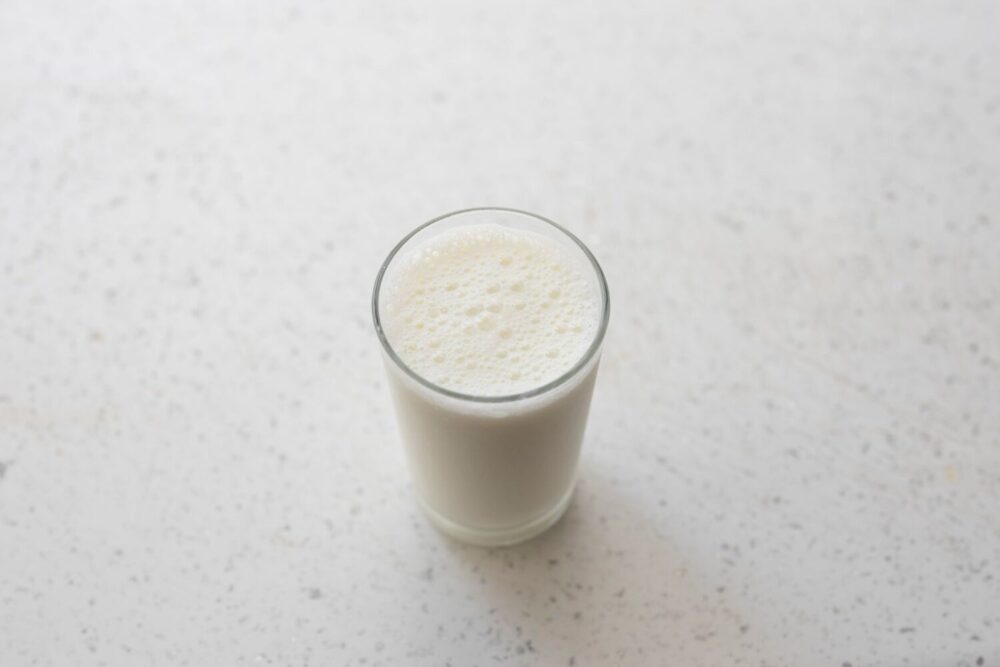
Kosher whey protein is whey that has been made and certified according to Jewish dietary law, and it carries a recognised kosher symbol on the label. Whey itself comes from milk, but whether a particular powder is kosher depends on how the cheese was made, which enzymes and additives were used, and whether a certifying body supervised production. The only reliable way to know is to check the certification on the pack.
This guide explains what makes whey kosher, how it compares with halal certification, and how to check a product before you buy.
Is Whey Protein Kosher?
Not automatically. Whey is a by-product of cheese making. To make cheese, milk is curdled using an enzyme called rennet or a similar coagulant. Traditional rennet can come from animals, while many modern cheeses use microbial or plant-based enzymes. Under kosher rules, the source of these enzymes, the equipment used and the way production is supervised all matter.
Flavours, sweeteners, emulsifiers and other additives in a finished protein powder also need to meet kosher standards. So even if the base whey is kosher, the final product must be certified as a whole.
What Makes a Whey Protein Kosher
A kosher whey protein usually meets these conditions:
- The milk comes from a kosher animal, such as a cow.
- The cheese-making enzymes and processing aids are acceptable under kosher rules.
- Every added ingredient, including flavours and colours, is kosher.
- A recognised kosher certification agency has inspected the facility and approved the product.
Because whey comes from milk, kosher whey products are classed as dairy. You will often see a “D” next to the kosher symbol, for example “OU-D”, to show this.
Kosher vs Halal Whey Protein
Many buyers in India ask about halal certification in the same way. Kosher and halal rules overlap in some areas but are separate systems with different certifying bodies.
| Point | Kosher | Halal |
|---|---|---|
| Who certifies | Kosher agencies (for example OU, OK, Star-K) | Halal certification bodies |
| Key concern for whey | Source of enzymes, supervision, dairy status | Source of enzymes and additives, no alcohol-based or non-halal ingredients |
| What to look for | Kosher symbol, usually with “D” for dairy | Halal logo from a recognised certifier |
A product can be kosher, halal, both or neither. One certification does not imply the other.
How to Check a Whey Protein’s Kosher Status
Before you buy, look for:
- The symbol on the label: a recognised kosher mark printed on the tub, usually near the brand name or nutrition panel.
- The exact product and flavour: some brands certify only certain flavours or sizes, so check the specific variant.
- The brand’s own information: many manufacturers list their certifications on their website or can share a certificate on request.
- A genuine, sealed pack: buy from an authorised seller so you know the product and label have not been tampered with. Our authenticity promise explains how we source products.
If the label does not show a kosher symbol, do not assume the product is kosher, even if the ingredients look simple.
Does Kosher Whey Protein Work Differently?
No. Kosher certification is about how a product is made and supervised, not about its nutrition. A kosher whey protein provides the same protein, amino acids and nutrients as a similar non-kosher whey. Our guide to what whey protein is covers the basics.
When comparing products, look at the same things you would for any whey: protein per serving, type of whey, ingredients and taste. Our protein powder buying checklist can help.
Kosher Whey Isolate or Concentrate?
Both forms can be kosher if certified. An isolate is filtered to remove most fat and lactose, so it has more protein per scoop. A concentrate keeps a little more fat and lactose and usually costs less. You can compare options in our whey isolate and whey concentrate ranges, then check each label for certification.
Frequently Asked Questions
Is all whey protein kosher?
No. Whey is only kosher when the product has been certified by a recognised kosher agency. Check the label for a kosher symbol.
What does OU-D mean on whey protein?
It means the product is certified kosher by the Orthodox Union and is classed as dairy. Whey products carry the dairy mark because they are made from milk.
Is kosher whey protein also vegetarian?
Not necessarily. Kosher rules and vegetarian standards are different. If you need a vegetarian product, check the label for a vegetarian mark and the enzyme source.
Does kosher whey taste different?
No. Taste depends on the formula, flavouring and type of whey, not on the certification. Two products with the same recipe would taste the same whether or not one is certified.
Can I find kosher whey protein in India?
Some imported whey brands carry kosher certification on certain products. Availability changes, so check the label of the exact flavour and size before ordering, and ask the seller if the symbol is not visible in the product photos.

Authenticity Guarantee: Beast Nutrition is an authorized retailer for 100% genuine supplements with official importer tags, batch verification, and FSSAI compliance.
Disclaimer: This content is for informational and educational purposes only. Always consult a physician or certified dietitian before starting any new supplement regimen.
Keep reading
Supplement guides Buying guides & reviews Protein & whey Sports nutrition
Whey Protein for Athletes: How to Choose the Right One
How to choose whey protein for athletes: compare concentrate, isolate and hydrolyzed whey, read the label, check anti-doping
Read articleSupplement guides Buying guides & reviews Vitamins & wellness
Triple Strength Omega 3: How to Read the Label
What triple strength omega 3 means on a fish oil label, how to compare EPA and DHA per
Read articleSupplement guides Buying guides & reviews Creatine
Best Creatine Brands in India: How to Choose
A practical guide to judging the best creatine brands in India: what to check on the label, how
Read article