

Supplement guides, Health & wellbeing, Protein & whey
Whey Protein Benefits: What It Can and Cannot Do
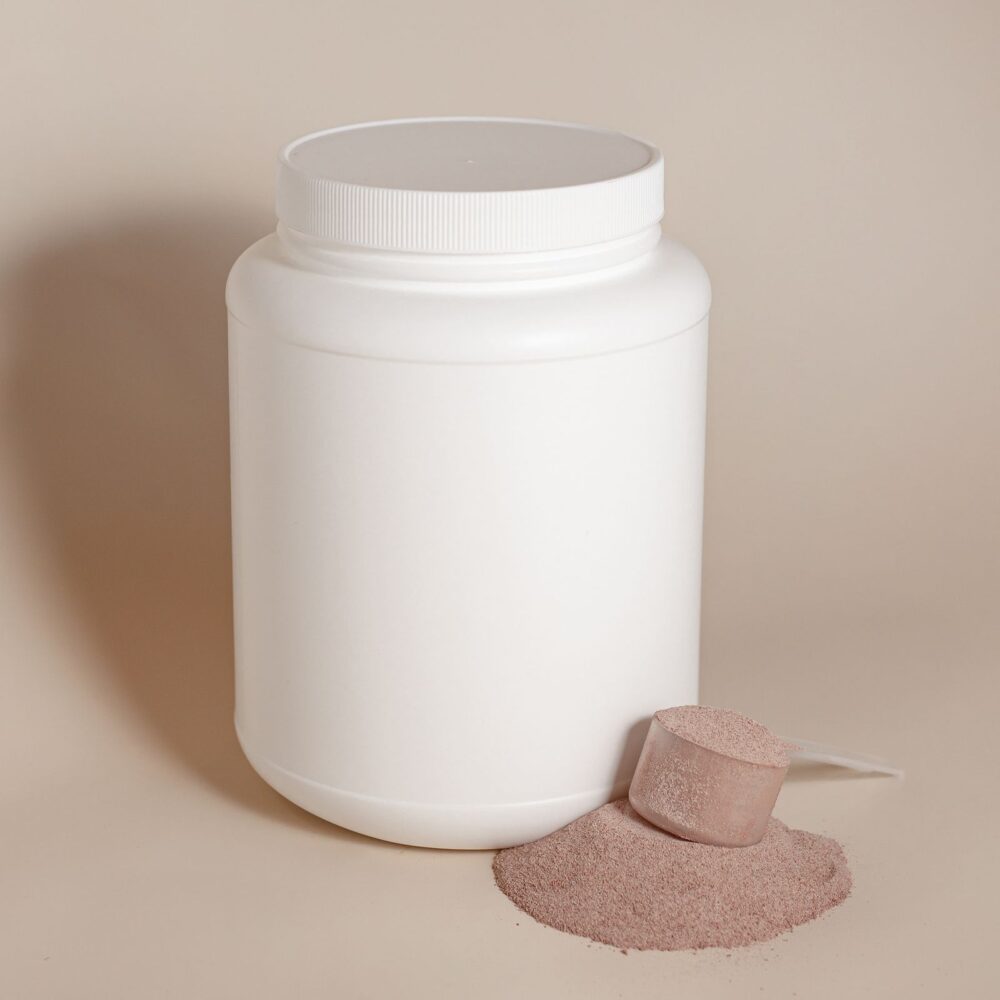
The main whey protein benefits are practical: it is a complete, high-quality protein that is quick to prepare, easy to measure and convenient to carry, which makes it simpler to meet your daily protein needs. It is a food supplement, not a medicine, so it works best alongside a balanced diet and regular training. This guide explains what whey can realistically do, what it cannot, and how to choose a good one.
What Is Whey Protein?
Whey is one of the two main proteins in milk; the other is casein. It is separated when milk is turned into cheese or paneer, then filtered and dried into a powder. Our beginner’s guide covers what whey protein is in more detail, including how it is made.
The amount of filtering decides the type. Concentrate keeps a little lactose and fat, while isolate is filtered further to remove most of them. You can read more in our guides to whey protein concentrate and isolated whey protein.
Key Whey Protein Benefits
It is a complete protein
Whey contains all nine essential amino acids, the ones your body cannot make and must get from food. It is also naturally rich in leucine, one of the branched-chain amino acids (BCAAs). This is why whey is considered a high-quality protein source.
It helps you reach your protein target
Protein is needed to build and repair body tissues, including muscle. Many people, especially vegetarians and those with busy routines, find it hard to eat enough protein from food alone. A serving of whey makes it easier to close that gap. To see how much protein you might need, read how much protein do I really need.
It is quick and convenient
A shake takes about a minute to make. If you travel often or are constantly on the go, a scoop of whey in a shaker is easier to carry than a cooked meal and is usually a better choice than many packaged snacks that are high in sugar.
It is easy to measure
Each scoop contains a fixed amount of protein listed on the label. That makes it simple to track your intake if you are following a nutrition plan.
It is flexible
Whey mixes into water, milk, oats, curd and smoothies, and comes in many flavours. You can use it after a workout, with breakfast or between meals.
What Whey Protein Cannot Do
Old articles online often make bold promises about whey. It is worth being clear about its limits:
- It is not a medicine. Whey is a dairy-based food supplement. It is not meant to treat, cure or prevent any disease.
- It does not build muscle on its own. Results depend on your overall diet, training, sleep and consistency.
- It is not a fat burner. Weight change depends on your total calories in and out, not on any single product.
- It is not a meal replacement. Whey should complement your meals, not replace them. Whole foods also provide fibre, vitamins and minerals that a shake does not.
Who Should Be Careful With Whey Protein
Whey is not right for everyone. Speak to a doctor before using it if you:
- Have a milk allergy or react badly to dairy.
- Are lactose intolerant (an isolate or a non-dairy protein may suit you better).
- Have a kidney, liver or other medical condition, or take regular medication.
- Are pregnant or breastfeeding, or are buying for a child or teenager.
For serving size and how often to use it, follow the directions on the label and consult a doctor if you are unsure.
How to Choose a Good Whey Protein
Quality varies a lot between products, so it pays to check before you buy:
- Protein per serving: compare the grams of protein per scoop with the scoop size listed on the label.
- Ingredient list: look for whey near the top and fewer fillers or added sugars.
- Type: concentrate is usually the best value, while isolate suits people who want less lactose and fat.
- Authenticity: buy sealed products from authorised sellers and check the batch number, MRP label and importer details.
You can compare genuine options in our whey concentrate range.
Frequently Asked Questions
Is whey protein good for beginners?
Yes, as long as it suits your health. Beginners should focus on a balanced diet first and use whey only if they struggle to eat enough protein from food.
Is whey protein safe to take every day?
Many healthy adults use whey daily as part of a balanced diet. Follow the serving size on the label, and speak to a doctor first if you have any medical condition.
Does whey protein have side effects?
Some people experience bloating or stomach discomfort, often linked to lactose. Switching to an isolate, reducing the serving or choosing a non-dairy protein can help. Stop using it and consult a doctor if symptoms continue.

Authenticity Guarantee: Beast Nutrition is an authorized retailer for 100% genuine supplements with official importer tags, batch verification, and FSSAI compliance.
Disclaimer: This content is for informational and educational purposes only. Always consult a physician or certified dietitian before starting any new supplement regimen.
Keep reading
Supplement guides Buying guides & reviews Protein & whey
Natural Protein Powder: How to Read the Label
What does natural protein powder really mean? Learn how to read the label, compare whey and plant options,
Read articleSupplement guides Buying guides & reviews Protein & whey
Best Whey Protein Brands: How to Judge a Brand
Looking for the best whey protein brands? Learn how to judge any brand by its label, whey type,
Read articleSupplement guides Buying guides & reviews Protein & whey
Plant Protein vs Whey Protein: Which Should You Pick?
Plant protein vs whey protein: compare sources, lactose, amino acids, taste and diet fit to choose the right
Read article