

SUPPLEMENT GUIDES
Hemp Protein for Athletes: Pros, Cons and How to Use It
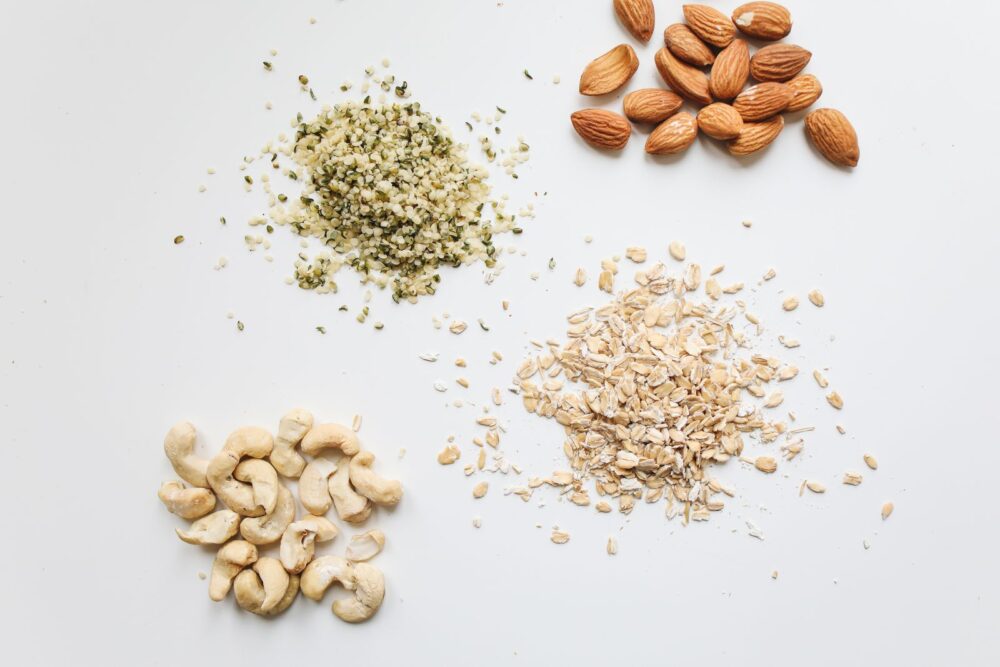
Hemp protein is a plant-based protein powder made by pressing hemp seeds and milling what is left into a fine powder. For athletes, its main appeal is that it is dairy-free and suits vegans and people who do not tolerate whey well. It also brings fibre and healthy fats, although it is usually lower in protein per scoop than whey.
This guide keeps the original article’s angle, that active people have higher nutritional needs and some of them need a non-dairy option, and explains honestly where hemp protein fits.
What Is Hemp Protein?
Hemp protein comes from the seeds of the hemp plant. The seeds are pressed to extract hemp seed oil, and the remaining seed cake (sometimes called hemp meal) is ground into powder. Because it is made from whole seeds, the powder keeps some of their natural fibre and fats, which gives it an earthy, nutty taste and a slightly grainy texture.
Food-grade hemp protein is made from the seeds, not the parts of the plant associated with recreational drugs. Buy only from reputable sellers with proper food labelling, and if you compete in a drug-tested sport, check any hemp product with your federation or coach first.
Why Some Athletes Choose Hemp Protein
People who train hard need more protein than inactive people, and for many athletes a protein powder is simply a convenient way to reach their daily target. Our guide on how much protein you really need explains how to estimate yours.
Whey is the most popular choice, but it is not right for everyone. Hemp protein is often chosen because:
- It is dairy-free: useful for vegans and people who avoid milk products.
- It contains fibre: unlike most whey powders, which contain little or none.
- It includes healthy fats: hemp seeds naturally contain omega-3 and omega-6 fatty acids.
- It is minimally processed: many hemp powders contain just one ingredient.
- It provides minerals: hemp seeds are a source of minerals such as magnesium, phosphorus, zinc and iron.
Hemp Protein vs Whey and Other Plant Proteins
| Feature | Hemp protein | Whey protein | Pea or blended plant protein |
|---|---|---|---|
| Source | Hemp seeds | Milk | Peas, rice or a mix |
| Dairy-free | Yes | No | Yes |
| Protein per scoop | Usually lower | Usually higher | Usually higher than hemp |
| Fibre | Present | Little or none | Varies |
| Taste and texture | Earthy, slightly grainy | Smooth, many flavours | Varies by brand |
Hemp protein contains all the essential amino acids, but it is relatively low in lysine compared with animal proteins, so it works best as part of a varied diet. Blended plant proteins often combine sources to balance this out. For a fuller comparison, see our guides to choosing a plant protein powder and plant protein vs whey protein.
Downsides to Consider
- Lower protein per serving: you may need a larger scoop to match the protein in a whey shake, which also means more calories.
- Taste and texture: the earthy flavour and grainy feel are not for everyone; blending usually helps.
- Fibre: the extra fibre can cause bloating in some people, especially if they are not used to it.
- Availability and price: hemp protein can be harder to find and may cost more per gram of protein than common alternatives.
If you have a medical condition, a seed allergy or take regular medication, speak to a doctor before adding a new supplement.
How to Use Hemp Protein
Hemp protein is easiest to use in recipes rather than mixed with plain water. Simple ideas include:
- blending it into a smoothie with banana, curd or plant milk and a spoon of peanut butter;
- stirring it into oats or overnight oats;
- adding it to homemade energy balls with dates and nuts;
- mixing a small amount into chilla, roti or pancake batter.
Follow the serving directions on the product label. Treat any protein powder as a top-up to meals built around foods such as dal, chana, rajma, soya, tofu, nuts and seeds, not as a replacement for them. Our buyer’s guide to protein supplements for vegetarians covers more options if you do not eat meat.
How to Choose a Hemp Protein Powder
Whichever plant or dairy protein you choose, check these points on the pack. You can also compare other options in our protein supplements range.
- Protein per serving: compare grams of protein per scoop rather than the front-of-pack claims.
- A short ingredient list: unflavoured powders often contain only hemp seed protein.
- Clear labelling: look for a food licence number, batch number, and best-before date on a sealed pack.
Frequently Asked Questions
Is hemp protein good for building muscle?
It can support muscle building as part of a diet with enough total protein and calories, alongside regular strength training. Because it has less protein per scoop than whey, you may need a slightly larger serving.
Is hemp protein a complete protein?
It contains all nine essential amino acids, but it is relatively low in lysine. Eating a variety of protein foods, such as dal and soya, helps cover this.
Is hemp protein suitable for people with lactose intolerance?
Yes. Hemp protein is naturally dairy-free. Always check the label for other ingredients and allergen warnings.

Authenticity Guarantee: Beast Nutrition is an authorized retailer for 100% genuine supplements with official importer tags, batch verification, and FSSAI compliance.
Disclaimer: This content is for informational and educational purposes only. Always consult a physician or certified dietitian before starting any new supplement regimen.
Keep reading
SUPPLEMENT GUIDES
Natural Protein Powder: How to Read the Label
What does natural protein powder really mean? Learn how to read the label, compare whey and plant options,
Read articleSUPPLEMENT GUIDES
Best Whey Protein Brands: How to Judge a Brand
Looking for the best whey protein brands? Learn how to judge any brand by its label, whey type,
Read articleSUPPLEMENT GUIDES
Plant Protein vs Whey Protein: Which Should You Pick?
Plant protein vs whey protein: compare sources, lactose, amino acids, taste and diet fit to choose the right
Read article