

Supplement guides, Workouts & training
DC Training: How the DoggCrapp Workout Works
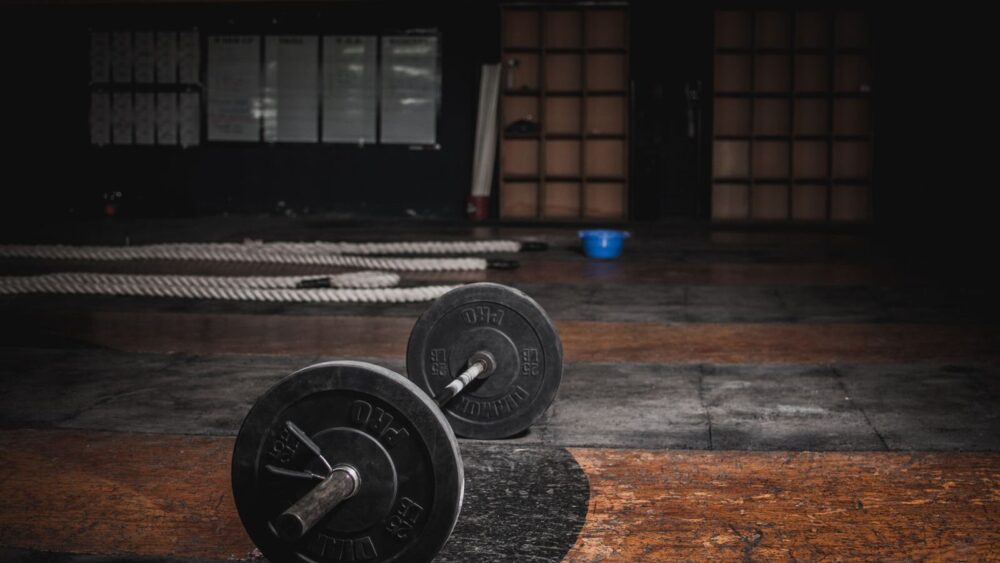
DC training (short for DoggCrapp training, created by bodybuilding coach Dante Trudel) is a high-intensity, low-volume programme built for size and strength. Each muscle gets one hard working set done in rest-pause style, followed by an “extreme stretch”, and the whole body is trained across a two-day split. It is effective for many experienced lifters, but it is demanding and not a good fit for beginners.
This guide explains the core parts of a DC workout, how a typical week is set up, and who should and should not try it.
What Is DC Training?
DC training is built around a simple idea: push each set close to your limit, add weight or reps over time, and recover well between sessions. Instead of many sets per exercise, you do very few, but each one is taken very seriously.
The programme rests on four main principles, which the original version of this article also described:
- Rest-pause sets to squeeze more quality reps out of one heavy weight.
- Controlled negatives and pauses to keep tension on the muscle.
- Extreme stretching after each muscle group.
- Progressive overload, tracked in a logbook every session.
How a DC Rest-Pause Set Works
The rest-pause set is the heart of DC training. Using an incline press as an example:
- Warm up with a few lighter sets until you reach your working weight.
- Do as many controlled reps as you can with good form, typically somewhere around 8, lowering the weight slowly.
- Rack the weight and take 10 to 15 deep breaths.
- Unrack and do as many reps as you can again.
- Rack, take another 10 to 15 breaths, then do one final round.
The total reps across the three rounds become your target to beat next time. When you beat it comfortably, increase the weight. Some exercises, especially for the legs, are done as one straight set of higher reps instead, as rest-pause on heavy squats can be risky.
Static Holds and Extreme Stretching
On some movements, lifters add a brief hold at the end of the final rep. After finishing the working set for a muscle group, DC training adds an extreme stretch: a loaded stretch held for around a minute. For the chest, for example, this might be holding the bottom position of a light dumbbell fly.
These stretches are uncomfortable by design, so start light. The aim is a deep, controlled stretch, not pain. If a stretch causes sharp or joint pain, stop and skip it.
A Typical DC Training Split
DC training usually divides the body into two workouts, often called A and B, and alternates them about three times a week. That means each muscle is trained roughly twice every eight days. A common layout looks like this:
| Workout A | Workout B |
|---|---|
| Chest | Biceps |
| Shoulders | Forearms |
| Triceps | Calves |
| Back width and thickness | Hamstrings and quads |
Exercises are usually rotated between two or three options per muscle, so you can keep progressing without hitting a wall on one lift. Recording your weights and reps is essential; a tool like our one-rep max calculator can help you track strength changes over time.
Who Should Try DC Training?
DC training is best suited to intermediate and advanced lifters who already:
- use good technique on the main lifts;
- have trained consistently for a couple of years or more;
- can judge how close they are to failure safely;
- sleep and eat well enough to recover from hard sessions.
If you are newer to lifting, a simpler programme with more practice reps will usually serve you better. Our bodybuilding for beginners guide is a good place to start. Always train with a spotter or safety bars on heavy pressing and squatting, and speak to a doctor before starting an intense programme if you have an injury or health condition.
Nutrition and Recovery on DC Training
Because each session is so intense, recovery is where results are made. DC training is traditionally paired with a high-protein diet, plenty of total food and good sleep. Most of your protein should come from regular meals; a protein powder can help fill gaps on busy days. Some lifters also use creatine as part of a strength programme. Read our guide to post workout supplements for an overview, and follow the label directions on any product you use.
Frequently Asked Questions
How long should I run DC training?
Many lifters run it in blocks of several weeks, followed by a lighter phase to recover before starting again. Listen to your body and back off if joints or energy suffer.
Can I add more sets to DC training?
The programme is designed to be low volume. Adding lots of extra sets usually makes recovery harder and goes against how it is meant to work.
Is DC training good for strength as well as size?
It is built mainly for muscle size, but because it focuses on adding weight over time, many lifters also get stronger on their chosen exercises.

Authenticity Guarantee: Beast Nutrition is an authorized retailer for 100% genuine supplements with official importer tags, batch verification, and FSSAI compliance.
Disclaimer: This content is for informational and educational purposes only. Always consult a physician or certified dietitian before starting any new supplement regimen.
Keep reading
Supplement guides Buying guides & reviews Protein & whey
Synthetic Whey Protein: What It Is and How It Compares
Is whey protein synthetic? Learn how regular whey is made, what animal-free "synthetic" whey is, how the two
Read articleSupplement guides Beginner guides Creatine
Should I Take Creatine on Rest Days? A Simple Guide
Should I take creatine on rest days? Yes, most people take it daily. Learn why, how to take
Read articleSupplement guides Protein & whey
Absorbable Protein: What Makes Protein Easy to Absorb?
What does absorbable protein really mean? Learn how protein is digested, how PDCAAS and DIAAS measure quality, and
Read article